
Free
30 minutes to 1 hour
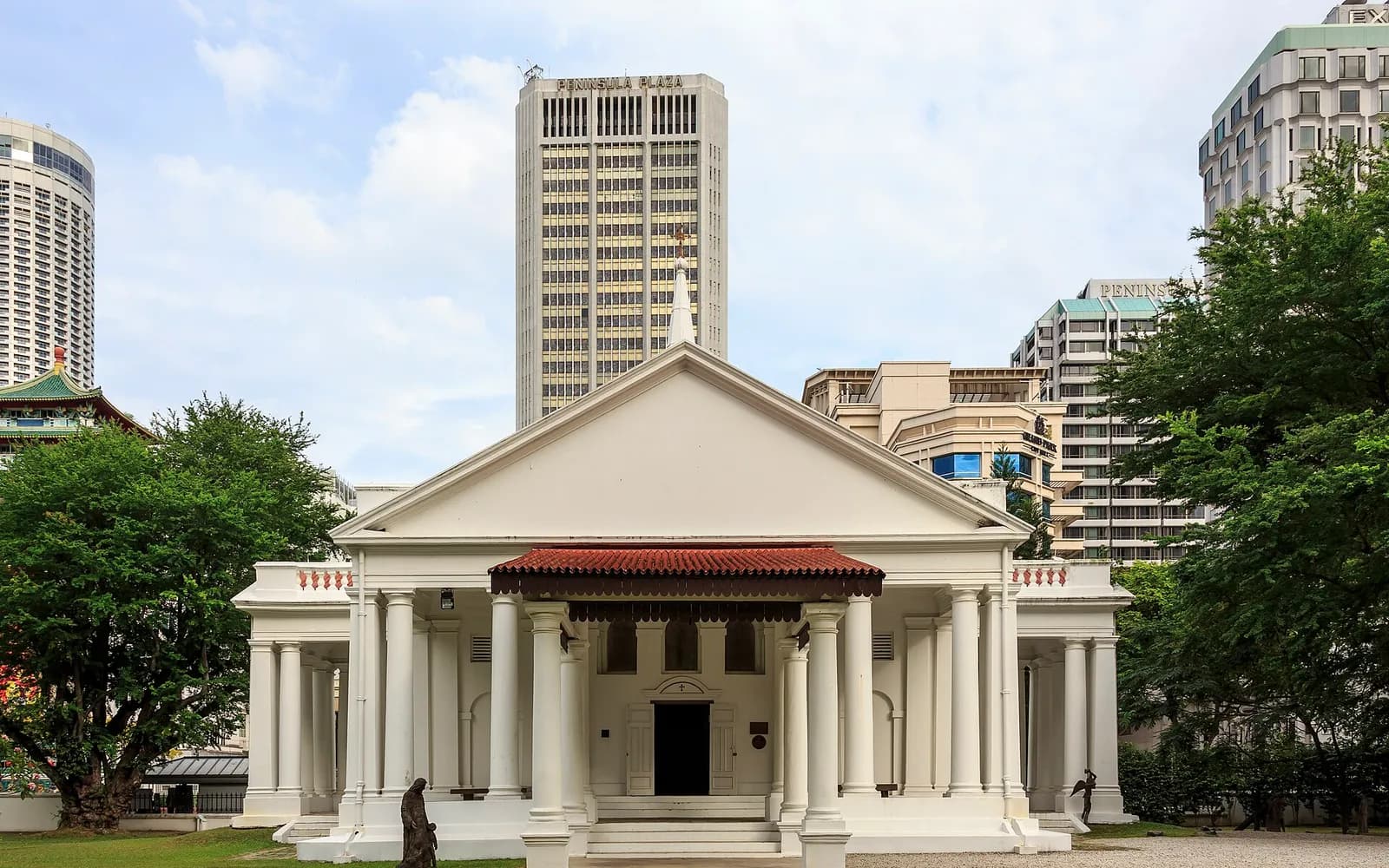
Armenian Church
Singapore's oldest Christian church, a small white building from the 1830s on Hill Street, with a quiet garden and old gravestones.
City Hall & Clarke Quay Weekday mornings
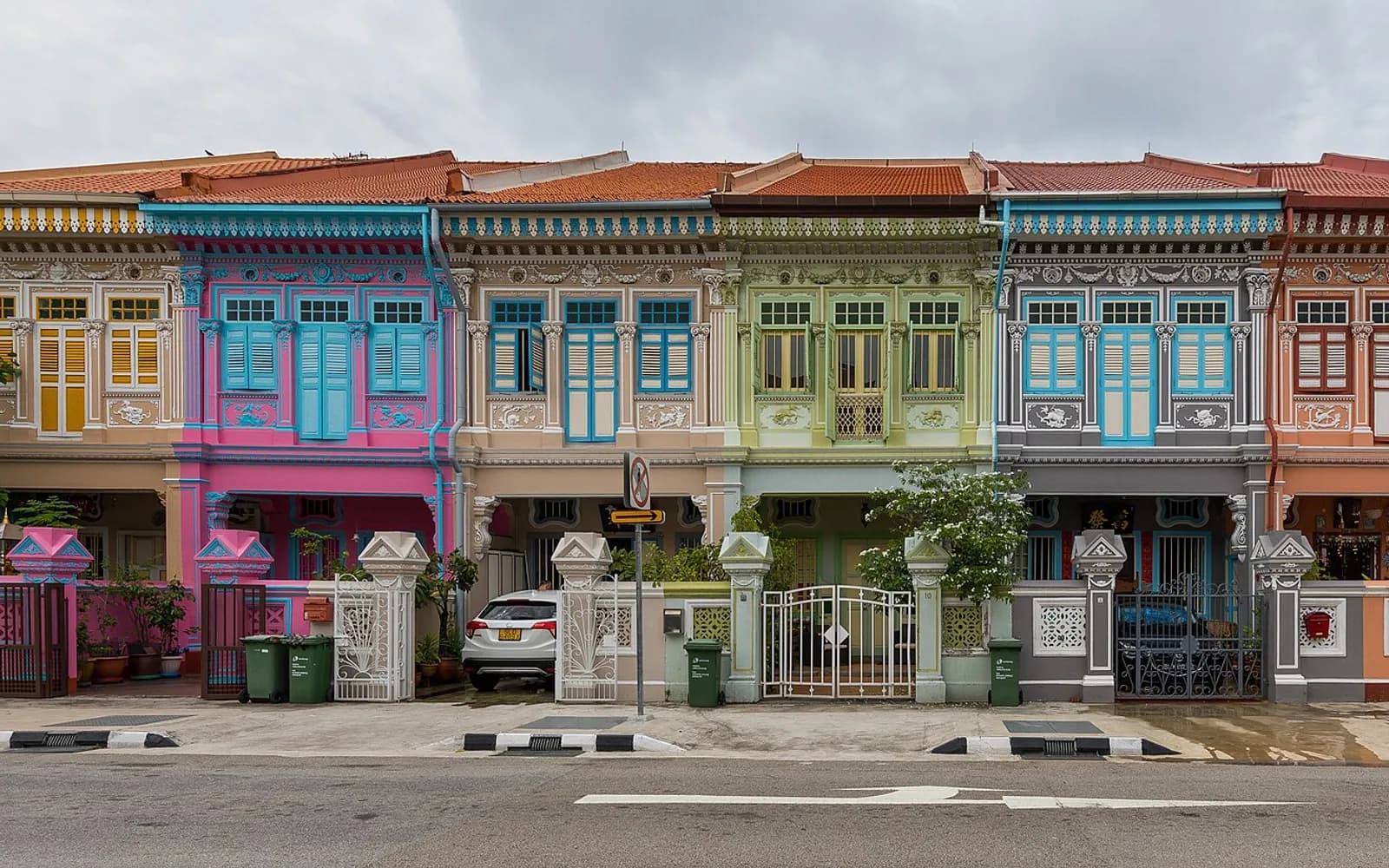
Photo: Basile Morin, CC BY-SA 4.0, cropped
Things To Do
Temples, shophouses and the stories of Singapore's neighbourhoods.
This page lists places to explore culture and heritage in Singapore. You will find museums, temples, mosques, churches, war history sites and old shophouse streets. Many are in the Civic District near City Hall, and several are free to enter.
Open any listing to see its area and what to expect. Places of worship are in daily use, so dress modestly and visit quietly.
Showing 1–20 of 35 experiences
Singapore's oldest Christian church, a small white building from the 1830s on Hill Street, with a quiet garden and old gravestones.
City Hall & Clarke Quay Weekday mornings

A museum at Marina Bay where art, science and technology meet, inside a building shaped like a lotus flower.
Marina Bay & CBD Weekday mornings
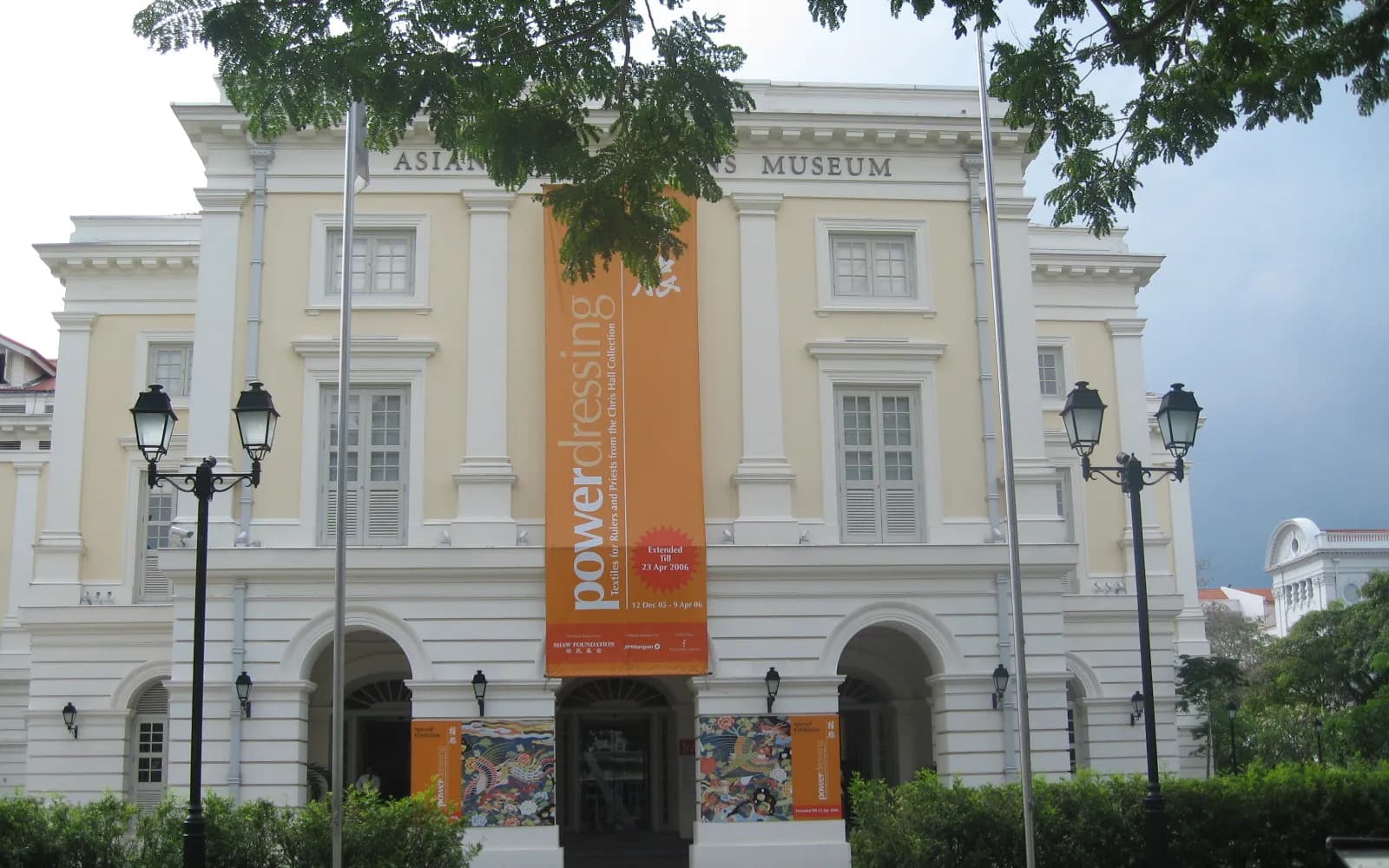
A riverside museum about the cultures of Asia and their links with the world, from a ninth-century shipwreck to fine religious art.
City Hall & Clarke Quay Weekday mornings or a rainy afternoon

A large Buddhist temple and museum in Chinatown, built in Tang dynasty style, with a sacred relic, a rooftop garden and free entry.
Chinatown & Tanjong Pagar Weekday mornings

Singapore's oldest Catholic church, a calm national monument in the City Hall area with free entry and classical design.
City Hall & Clarke Quay Weekday mornings or afternoons
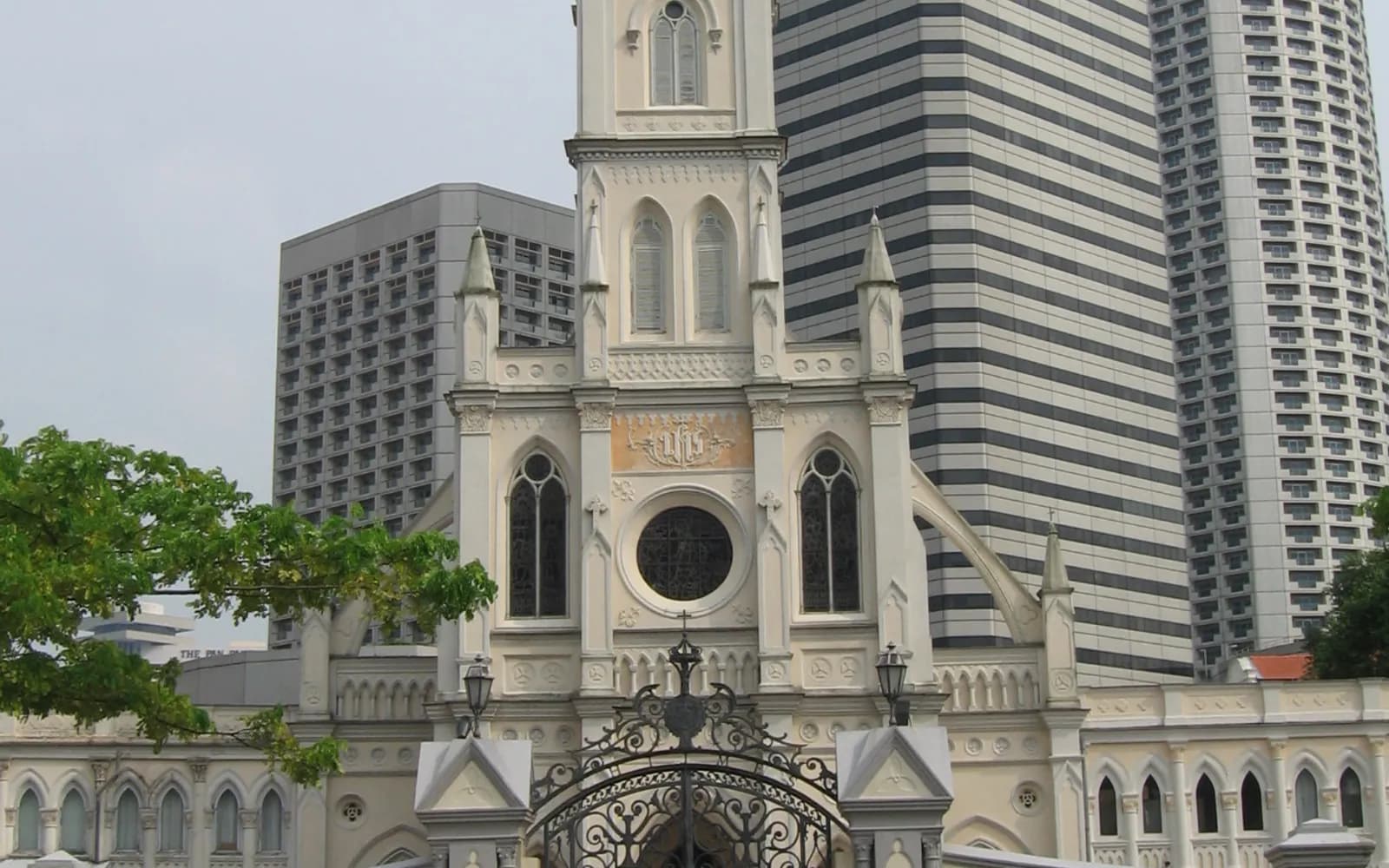
A restored former convent with a Gothic-style chapel and quiet courtyards, now home to restaurants, bars and event spaces.
City Hall & Clarke Quay Late afternoon into the evening

Temples, shophouses and hawker breakfasts on a self-guided walk.
Chinatown & Tanjong Pagar Morning
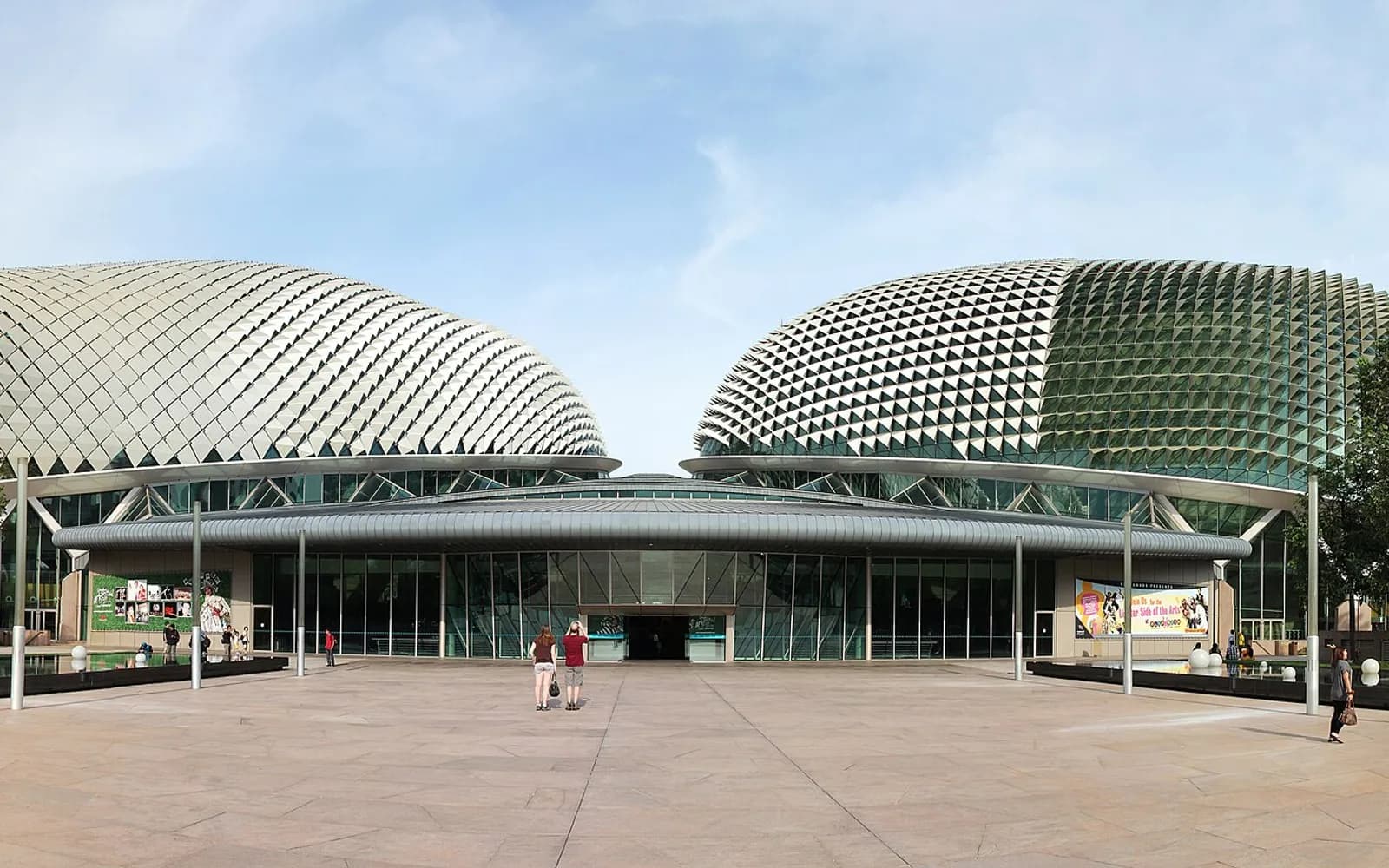
Singapore's waterfront arts centre, known for its spiky domes and its many free performances by the bay.
City Hall & Clarke Quay Early evening
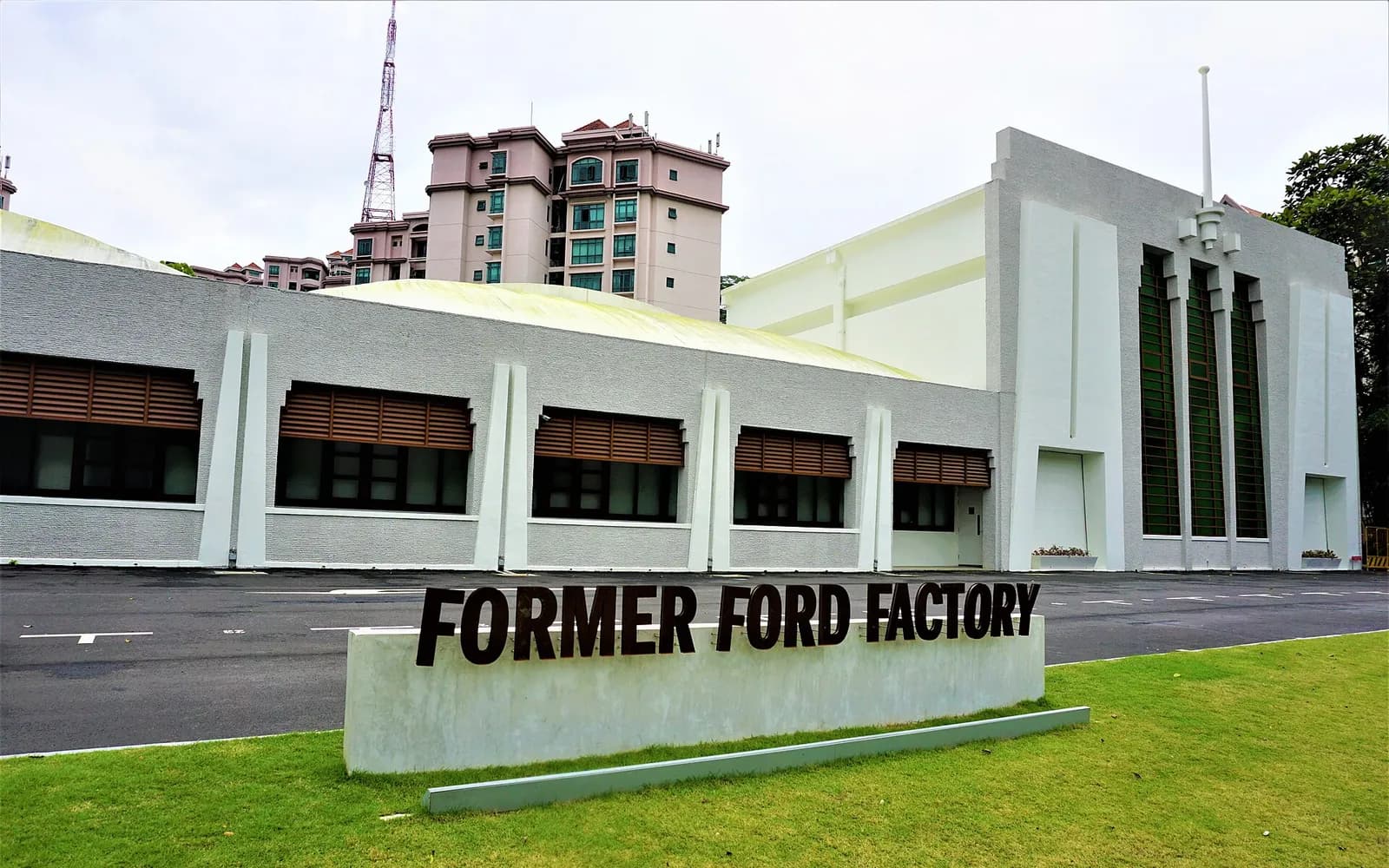
A 1941 car factory in Bukit Timah where the British surrendered Singapore in 1942, now a museum about the Japanese Occupation.
Upper Bukit Timah Tuesday to Sunday mornings

A green hill in the city centre with royal history, restored gardens, old colonial sites and shady walking paths.
City Hall & Clarke Quay Early morning or late afternoon

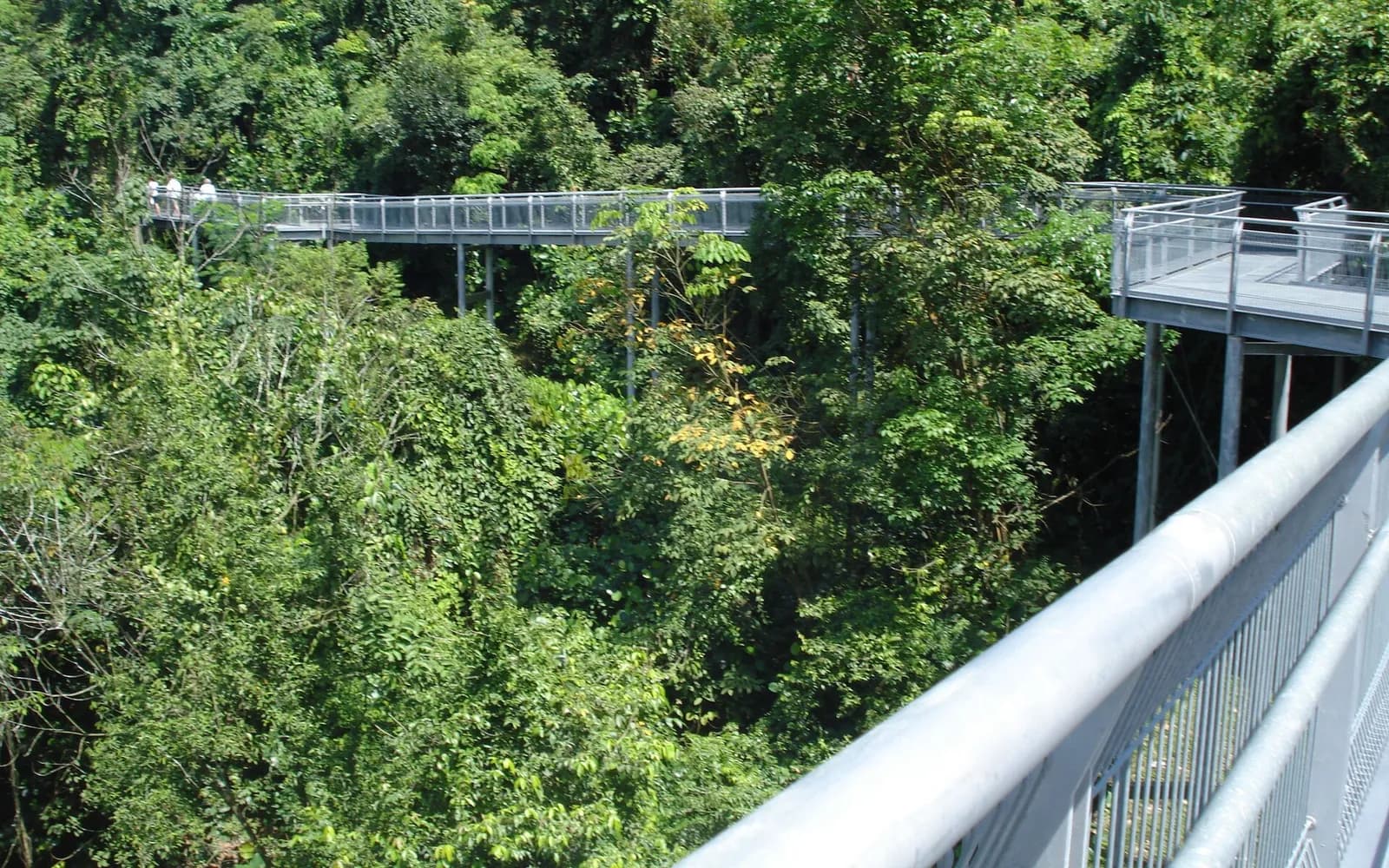
A former British coastal fort on Sentosa, now a free open-air military museum with old guns, tunnels and a treetop skywalk.
Sentosa Morning or late afternoon

Contemporary art galleries in former British army barracks, set among tall trees off Alexandra Road.
Tiong Bahru & Alexandra Afternoons

A free outdoor park with more than a thousand colourful statues and scenes from Chinese myths, legends and folk tales.
West Coast & Buona Vista Early morning or late afternoon
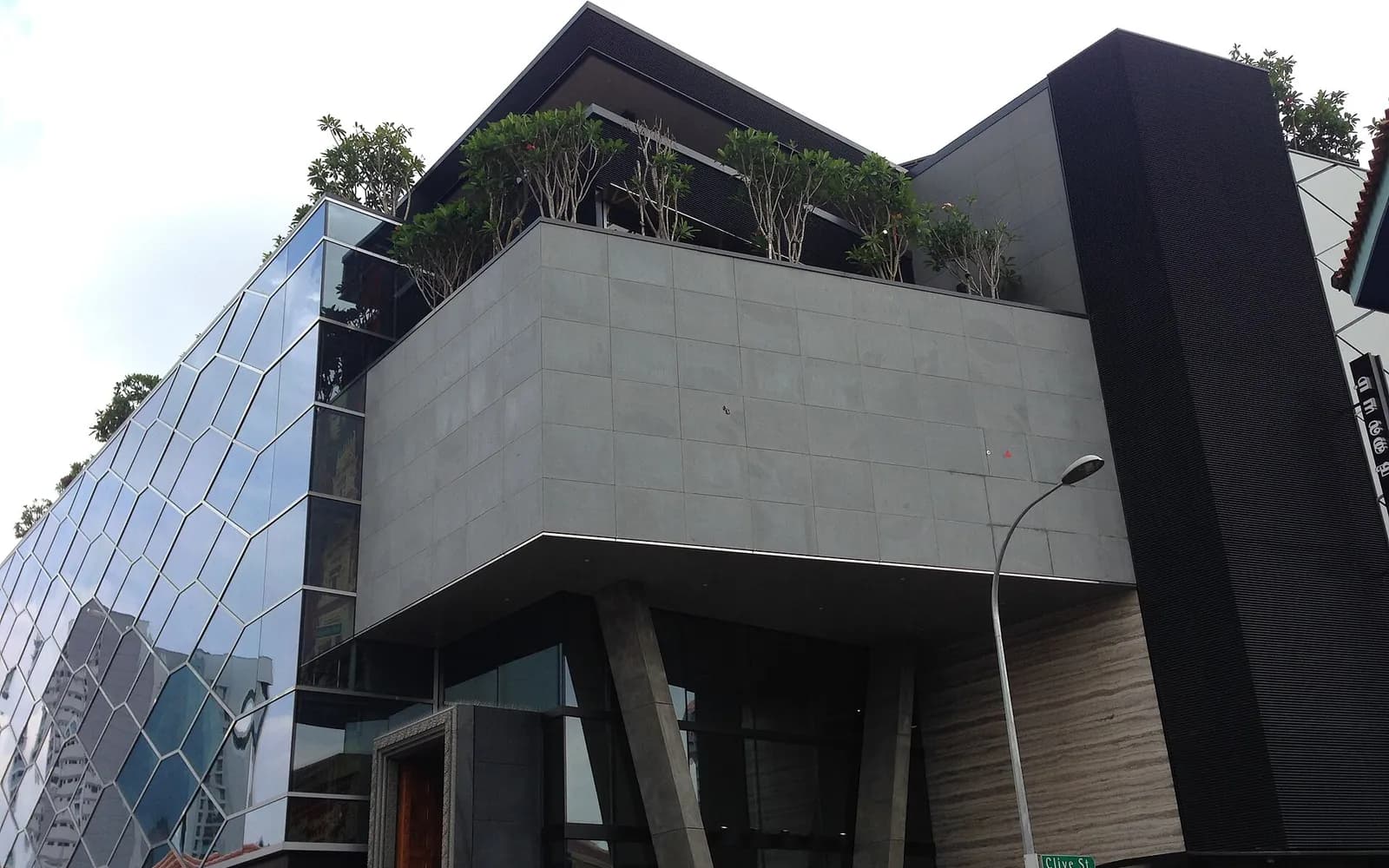
A modern museum in Little India that tells the story of Indian and South Asian communities in Singapore and the region.
Little India & Jalan Besar Weekday mornings

Murals, indie boutiques and the golden dome of Sultan Mosque.
Bugis & Kampong Glam Late afternoon

Singapore's largest Buddhist monastery, with grand halls, a tall pagoda and free entry on Bright Hill Road in Bishan.
Ang Mo Kio & Bishan Weekday mornings
A row of pastel Peranakan-style homes in Joo Chiat, known for their bright colours, decorative tiles and carved details.
Katong & Joo Chiat Early morning or late afternoon
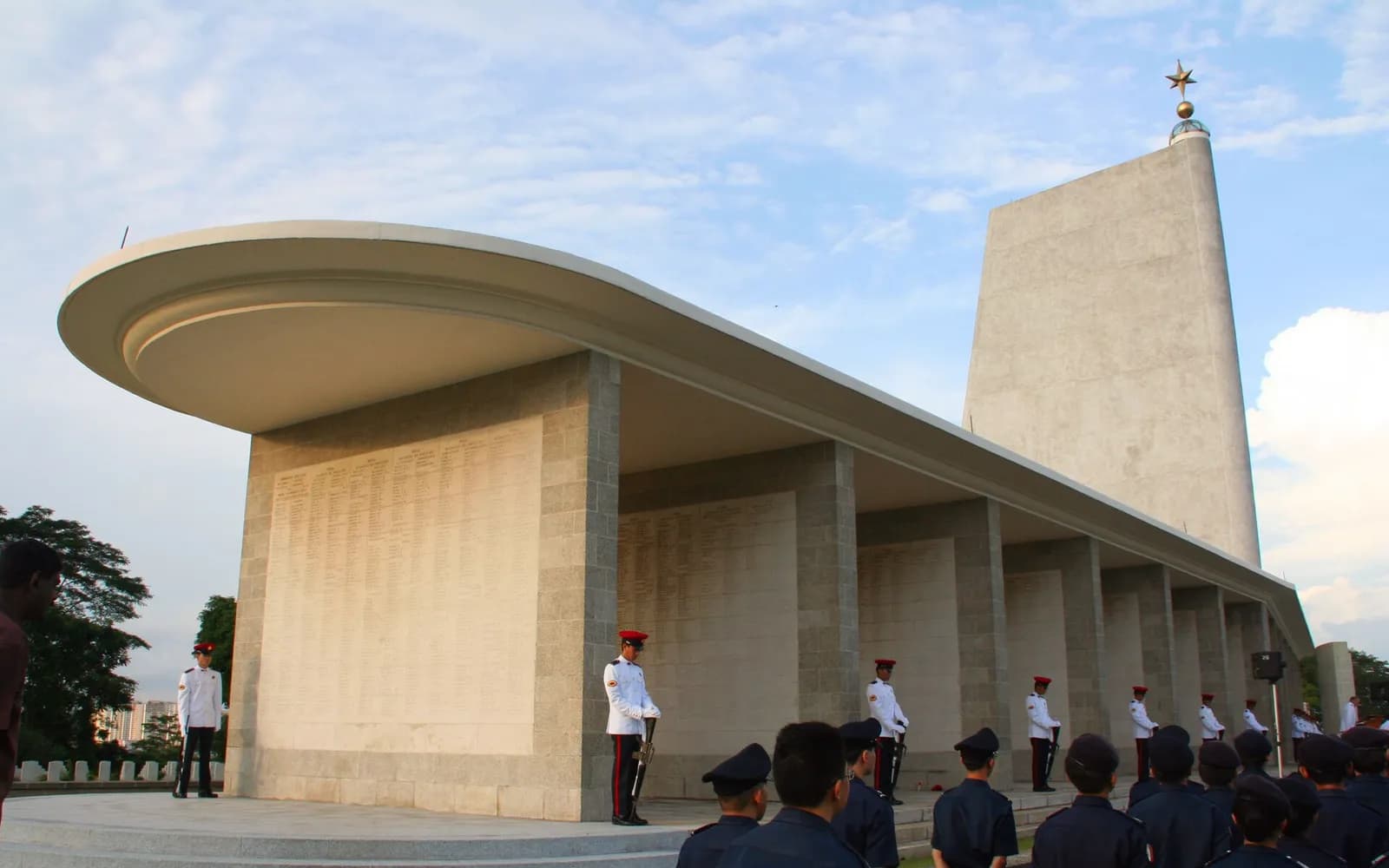
A peaceful war cemetery and memorial in north Singapore that honours Commonwealth service members who died in the Second World War.
Mandai & Woodlands Early morning or late afternoon

A small island south of Singapore with a Chinese temple, Malay shrines on a hill and a local legend about a giant tortoise.
Southern Islands Weekday mornings outside the pilgrimage season

A natural history museum at the National University of Singapore with dinosaur skeletons, a sperm whale and many local animals.
West Coast & Buona Vista Weekdays
Culture and heritage in Singapore come from many communities. Chinese, Malay, Indian, Eurasian and Peranakan people have all shaped the city. Peranakan culture blends Chinese, Malay and other influences. You can see this mix in the temples, mosques and churches, the shophouse streets and the museums. Most of these places sit close together. A good plan is one district per half day, with a museum for the hottest hours.
The Civic District around City Hall is the best place to start. The National Museum of Singapore tells the story of the country from early times to today. National Gallery Singapore shows art from Singapore and Southeast Asia. It fills two former government buildings, the old Supreme Court and City Hall.
By the river, the Asian Civilisations Museum covers art and cultures from across Asia. The Peranakan Museum explains Peranakan life through dress, crafts and family customs. On Marina Bay, the ArtScience Museum hosts changing shows on art and science.
For something different, Singapore City Gallery near Chinatown explains how the city has been planned. It has a large model of the city centre and is free to visit.
Singapore's older neighbourhoods are best seen on foot. Shophouses are narrow terraced buildings, with a shop on the ground floor and a home above.
Many places of worship welcome respectful visitors. In Chinatown, Sri Mariamman Temple is Singapore's oldest Hindu temple. Thian Hock Keng Temple is a historic Chinese temple nearby. The Buddha Tooth Relic Temple is a large Buddhist temple in the same district. Near City Hall, the Cathedral of the Good Shepherd is the city's Catholic cathedral. Close by, CHIJMES is a former convent whose old chapel is now a hall for events.
Our post Little India Temple Etiquette: What Visitors Should Know has more detail.
Several sites tell Singapore's Second World War story. The Battlebox is a former British command bunker built under Fort Canning Hill. The Former Ford Factory in Upper Bukit Timah is where the British surrendered to Japanese forces in 1942. Today it holds an exhibition on the war years. In the north, Kranji War Memorial is a quiet cemetery for Allied service members. Please behave as you would at any war grave.
For the arts, Gillman Barracks is a former British army camp that now houses art galleries. Esplanade – Theatres on the Bay stages concerts and plays, and often hosts free shows. The Sun Yat Sen Nanyang Memorial Hall is a museum in a colonial-era villa. It tells the story of Dr Sun Yat Sen and his links with Singapore.
Some are, such as Singapore City Gallery. The national museums usually charge visitors from abroad, while locals often get in free. Ticket prices change, so check each museum's website.
Yes. Most welcome visitors outside prayer times. Dress modestly, remove your shoes where asked and keep your voice low.
It describes communities whose culture blends Chinese, Malay and other influences. Visit the Peranakan Museum or Katong and Joo Chiat to learn more.
Start at the National Museum of Singapore in the Civic District. It covers the country's story from early times to today.
Explore more