


Google rating 4.8 out of 5
Nordic
Zén
Nordic fine dining in Chinatown & Tanjong Pagar, rated 4.8 on Google.
Chinatown & Tanjong Pagar

Photo: Jnzl's Public Domain Photos, Public domain, cropped
Free · Chinatown & Tanjong Pagar
A historic Chinese temple on Telok Ayer Street, built by Hokkien settlers to honour Mazu, the goddess of the sea.
Thian Hock Keng Temple is the oldest and most important Hokkien temple in Singapore. It stands on Telok Ayer Street, between Chinatown and the business district. Entry is free, and respectful visitors are welcome.
The temple is dedicated to Mazu, the goddess of the sea. For early Chinese settlers, it was a place to give thanks after a safe voyage. This guide covers its history, what to look for and how to plan your visit.
The present temple was built between 1839 and 1842, on the site of an earlier, simpler shrine. It was built by the Hokkien community, whose families came from Fujian province in south-east China. The name means Palace of Heavenly Happiness.
At that time, Telok Ayer Street ran along the shore. Sailors and traders landed nearby and came to the temple to thank Mazu for their safe journey. Land reclamation later moved the sea far away. Today the temple sits among offices and shophouses.
Skilled craftsmen built the temple with materials brought from China. It was also a centre for the Hokkien community for many years. The temple is now a national monument, and its careful restoration won a UNESCO heritage award.
Thian Hock Keng follows a traditional southern Chinese design. Halls and courtyards are laid out in a line, one behind the other. Take time to look at the details as you walk through.
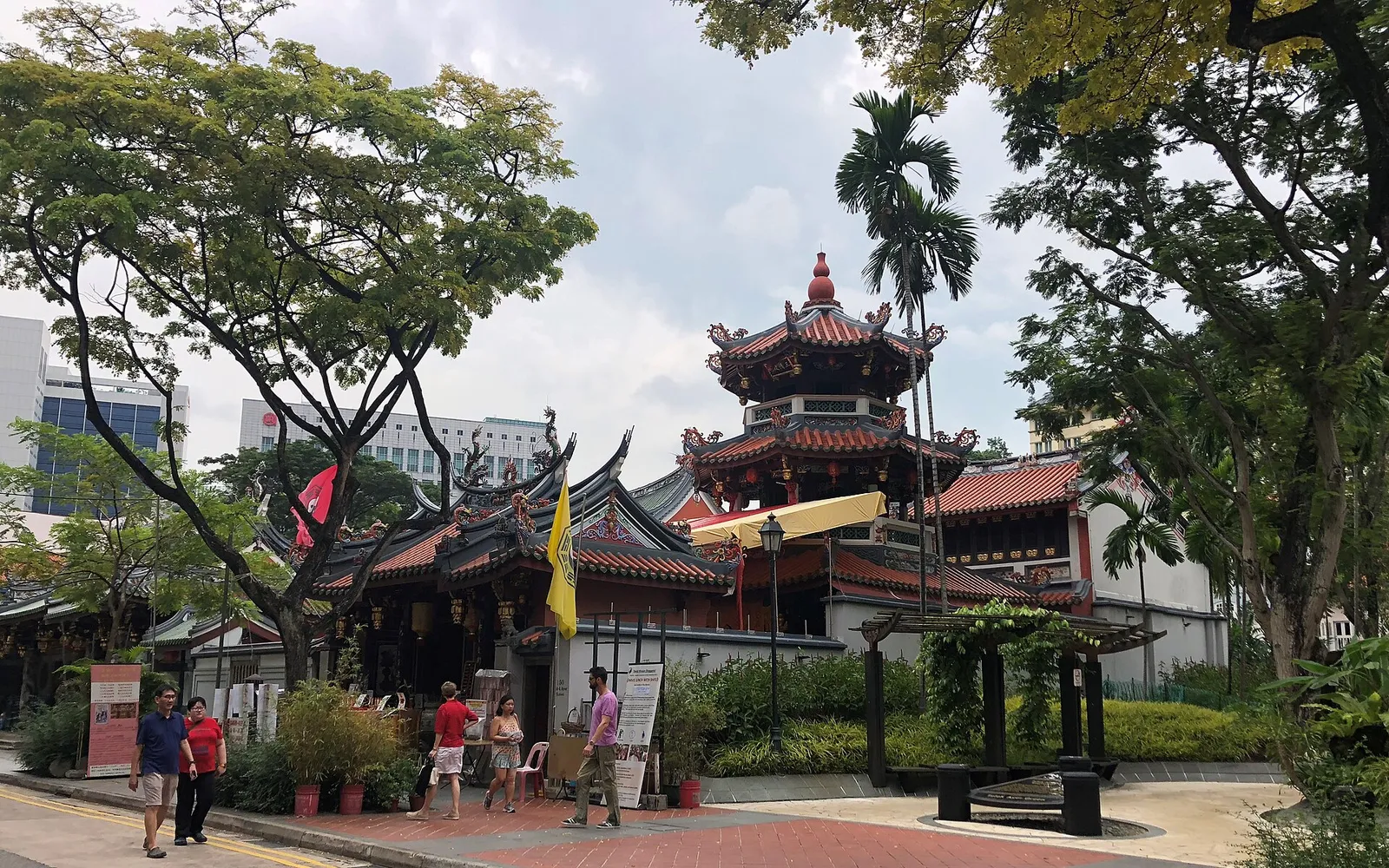
The courtyards let in light and air. They are good places to stand back and look at the roofs.
The temple is on Telok Ayer Street. Telok Ayer MRT station on the Downtown Line is the closest, just a short walk away. You can also walk from Chinatown MRT station or Tanjong Pagar MRT station. Read How to Use the MRT in Singapore for help with tickets and routes.
Telok Ayer Street is also home to Al-Abrar Mosque, Nagore Dargah and Telok Ayer Chinese Methodist Church. Walking down one street, you pass places of worship for several faiths. It shows how different communities have lived side by side here for a long time.
The temple is a working place of worship. Please keep these points in mind.
The temple can be busy during Chinese New Year and on the birthday of Mazu. These are interesting times to visit, but expect crowds. See What's Open During Chinese New Year in Singapore? if you are visiting then.
The area around Telok Ayer has lots of food. Amoy Street Food Centre and Lau Pa Sat are both within walking distance. They are popular with office workers at lunch, so go a little earlier or later. Read our hawker centre etiquette tips before you go. For restaurants, browse restaurants in Chinatown and Tanjong Pagar.
Nearby sights include Buddha Tooth Relic Temple and the Singapore City Gallery, which explains how the city has been planned. If you need a place to stay, Oasia Hotel Downtown and Sofitel Singapore City Centre are in the Tanjong Pagar area. See our Chinatown guides for more ideas.
Yes, entry is free. Donations are welcome.
The main deity is Mazu, the goddess of the sea. Other deities, including Guan Yin, are also worshipped here.
The present building dates from 1839 to 1842, and an earlier shrine stood on the site before that. It is one of the oldest temples in Singapore.
Telok Ayer MRT station on the Downtown Line is the closest.

Photo: Dietmar Rabich, CC BY-SA 4.0, cropped

Photo: KimonBerlin, CC BY-SA 2.0, cropped
In and around Chinatown & Tanjong Pagar
Nordic fine dining in Chinatown & Tanjong Pagar, rated 4.8 on Google.
Chinatown & Tanjong Pagar

Contemporary Chinese-French in Chinatown & Tanjong Pagar, rated 4.6 on Google.
Chinatown & Tanjong Pagar

Southeast Asian in Chinatown & Tanjong Pagar, rated 4.6 on Google.
Chinatown & Tanjong Pagar
Indian grill in Chinatown & Tanjong Pagar, rated 4.6 on Google.
Chinatown & Tanjong Pagar
In and around Chinatown & Tanjong Pagar

5-star in Chinatown & Tanjong Pagar, rated 4.6 on Google.
Chinatown & Tanjong Pagar

Boutique in Chinatown & Tanjong Pagar, rated 4.5 on Google.
Chinatown & Tanjong Pagar

4-star in Chinatown & Tanjong Pagar, rated 4.4 on Google.
Chinatown & Tanjong Pagar

4-star in Chinatown & Tanjong Pagar, rated 4.4 on Google.
Chinatown & Tanjong Pagar
Boutique in Chinatown & Tanjong Pagar, rated 4.3 on Google.
Chinatown & Tanjong Pagar
Keep exploring

A large Buddhist temple and museum in Chinatown, built in Tang dynasty style, with a sacred relic, a rooftop garden and free entry.
Chinatown & Tanjong Pagar Weekday mornings

Singapore's oldest Hindu temple, founded in 1827, with a tall tower covered in colourful figures of gods, right in Chinatown.
Chinatown & Tanjong Pagar Mornings
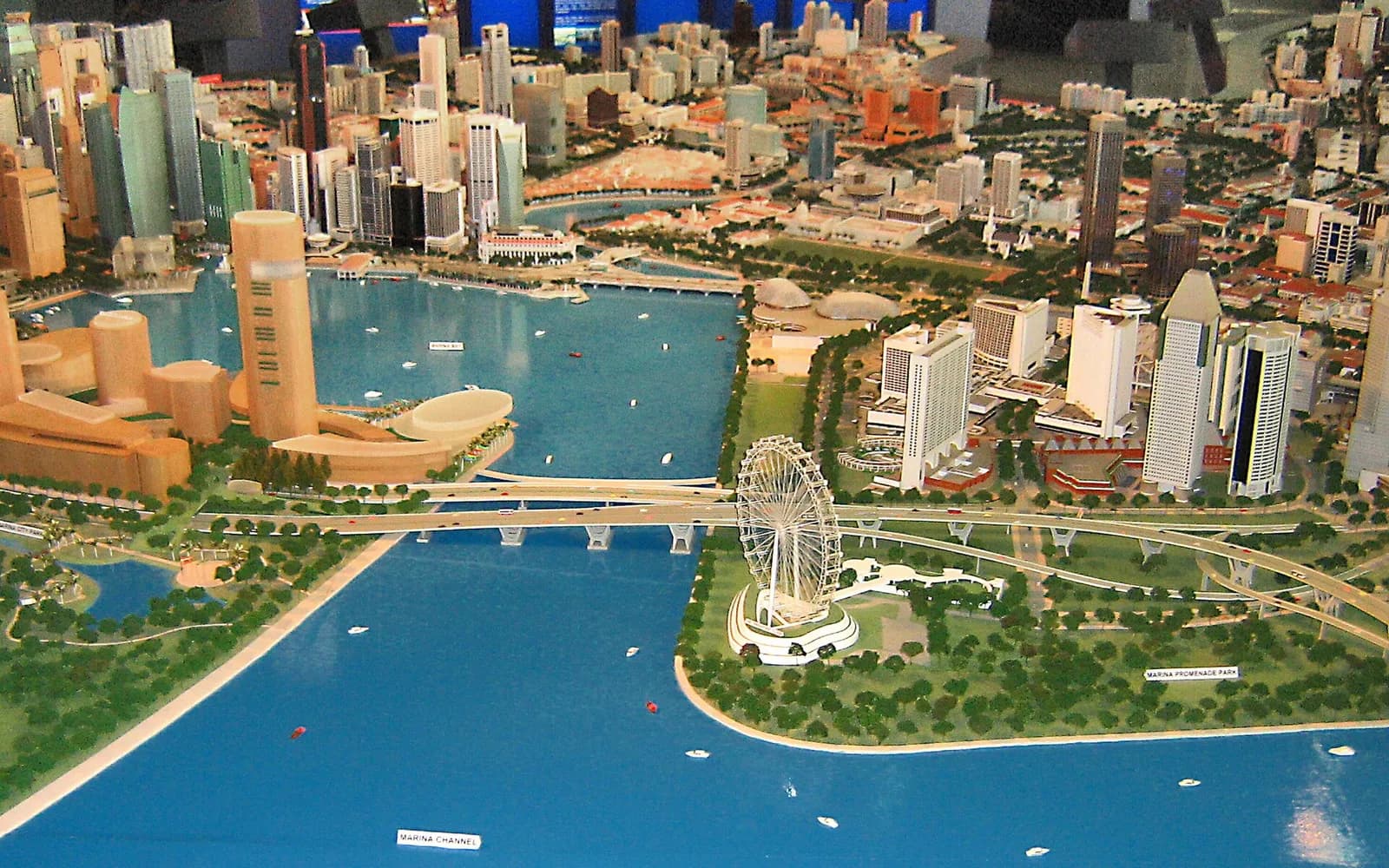
A free gallery on how Singapore plans its land, homes and green spaces, with large architectural models of the city.
Chinatown & Tanjong Pagar Midday

Murals, indie boutiques and the golden dome of Sultan Mosque.
Bugis & Kampong Glam Late afternoon
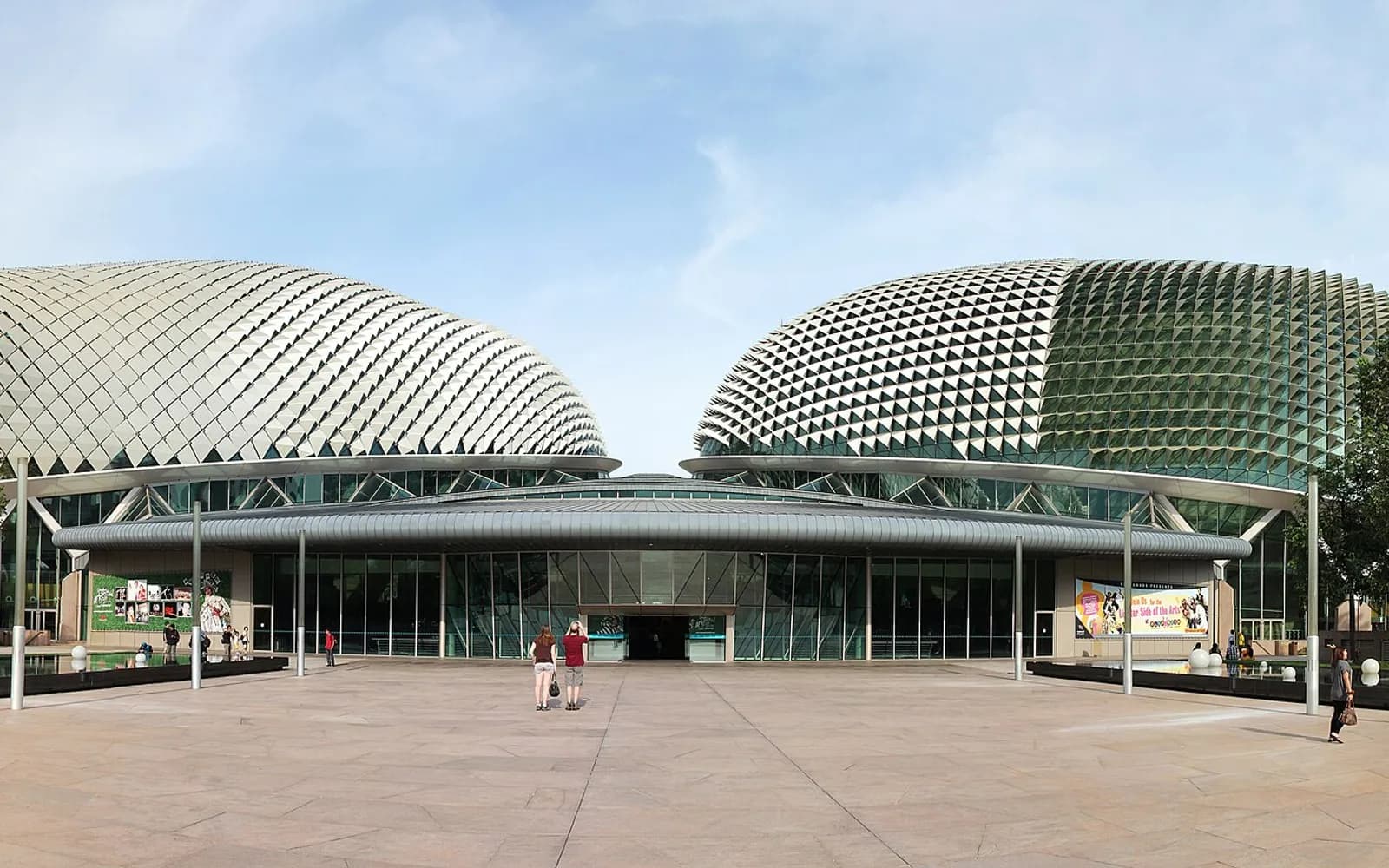
Singapore's waterfront arts centre, known for its spiky domes and its many free performances by the bay.
City Hall & Clarke Quay Early evening