


Google rating 4.8 out of 5
Nordic
Zén
Nordic fine dining in Chinatown & Tanjong Pagar, rated 4.8 on Google.
Chinatown & Tanjong Pagar

Photo: Chainwit, CC BY-SA 4.0, cropped
Free · Chinatown & Tanjong Pagar
Singapore's oldest Hindu temple, founded in 1827, with a tall tower covered in colourful figures of gods, right in Chinatown.
Sri Mariamman Temple is the oldest Hindu temple in Singapore. It was founded in 1827 and stands on South Bridge Road in Chinatown. Entry is free, and respectful visitors are welcome.
Its tall entrance tower, covered in brightly painted figures, is one of the best-known sights in the area. This guide explains what to see and how to visit with respect.
The temple was founded by Naraina Pillai, an early Indian settler who came to Singapore from Penang. The first temple was a simple wooden shrine. It was later rebuilt in brick and has been extended and restored many times since.
In its early years, the temple was also a shelter and meeting place for new arrivals from India. Today it is a national monument and an active place of worship. It is managed by the Hindu Endowments Board.
The temple is dedicated to the goddess Mariamman. Devotees pray to her for good health and protection from illness. Pagoda Street, right beside the temple, is said to be named after its tall tower.
The first thing you will notice is the gopuram, the tall tower above the entrance. It is covered in rows of colourful sculptures of Hindu gods, goddesses and other figures. Stand across the road for the best view.
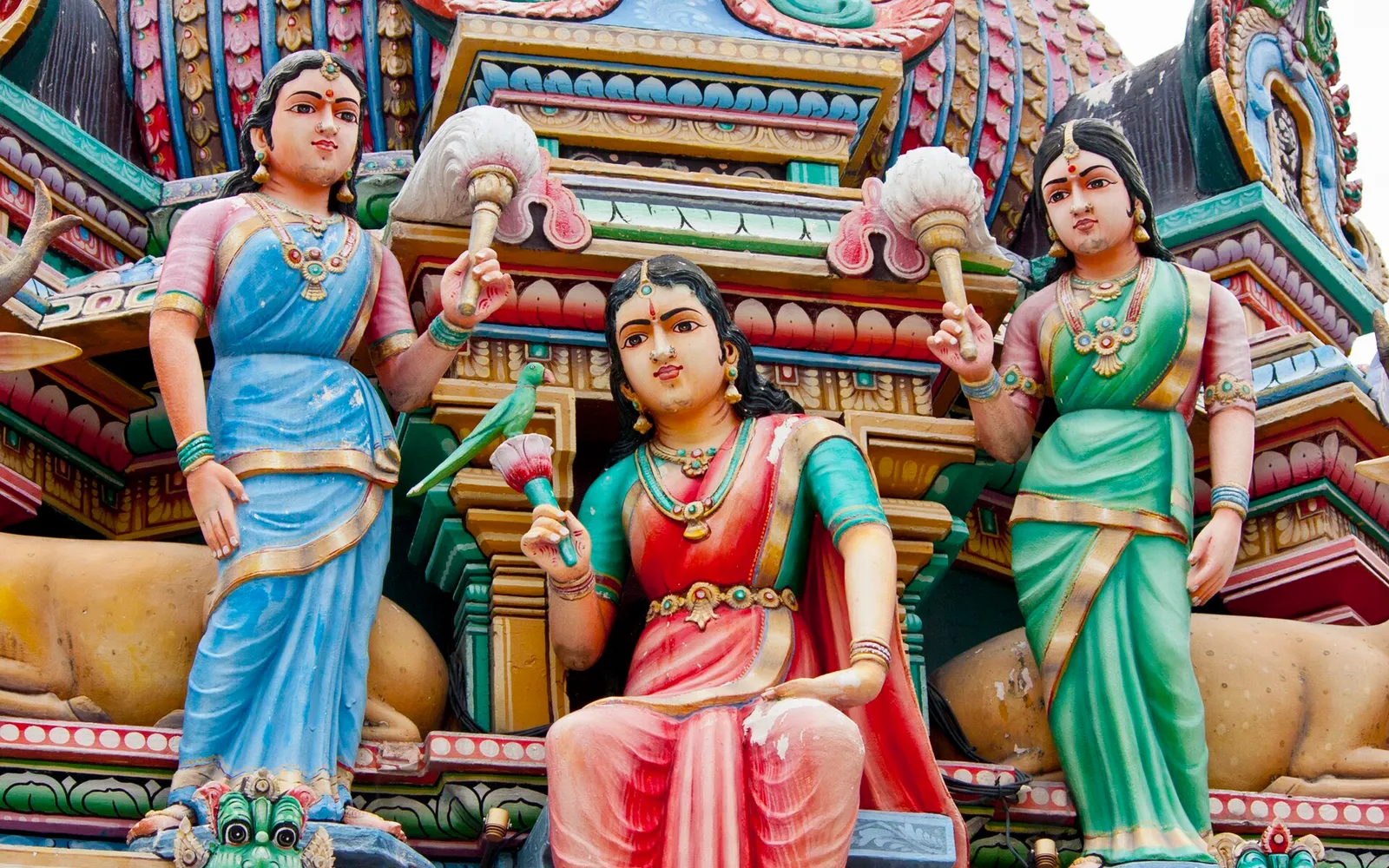
Once inside, take a slow walk around the main hall. Look out for these features.
Every year, around a week before Deepavali, the temple hosts Theemithi, a fire-walking festival. Devotees walk across a pit of hot coals as an act of faith. It draws large crowds, so check the dates in advance.
The temple is on South Bridge Road, at the corner of Pagoda Street. Chinatown MRT station, on the North East Line and Downtown Line, is a few minutes away on foot. Leave the station by the Pagoda Street exit and walk to the end of the street. If you take a taxi, the postal code is Singapore 058793.
New to the trains? Read How to Use the MRT in Singapore.
Hindu temples have a few simple rules. Following them shows respect to the people who come here to pray.
Rules can change, so follow the signs at the entrance. Check the official website for opening hours and visitor information. For more on visiting places of worship, see our guide to etiquette and local laws.
The temple sits among the shophouses of Chinatown, so there is plenty to do close by. Buddha Tooth Relic Temple is a short walk down South Bridge Road. Masjid Jamae, one of the older mosques in Singapore, is on the same road. Seeing a Hindu temple, a mosque and a Buddhist temple on one street shows how many faiths live side by side here.
For food, Chinatown Complex and Maxwell Food Centre are both nearby. Read our guide to the best hawker centres in Singapore for tourists. For sit-down meals, browse restaurants in Chinatown and Tanjong Pagar. To stay in the area, see hotels in Chinatown and Tanjong Pagar, such as Duxton Reserve Singapore.
Want to explore more? Our Chinatown neighbourhood guides and culture and heritage pages have more ideas.
Yes, entry is free. Donations are welcome.
Yes. Visitors of all faiths are welcome, as long as they dress modestly, remove their shoes and behave respectfully.
Theemithi usually takes place about a week before Deepavali. Dates change each year, so check the official website.
Chinatown MRT station is the nearest. It is a few minutes away on foot.
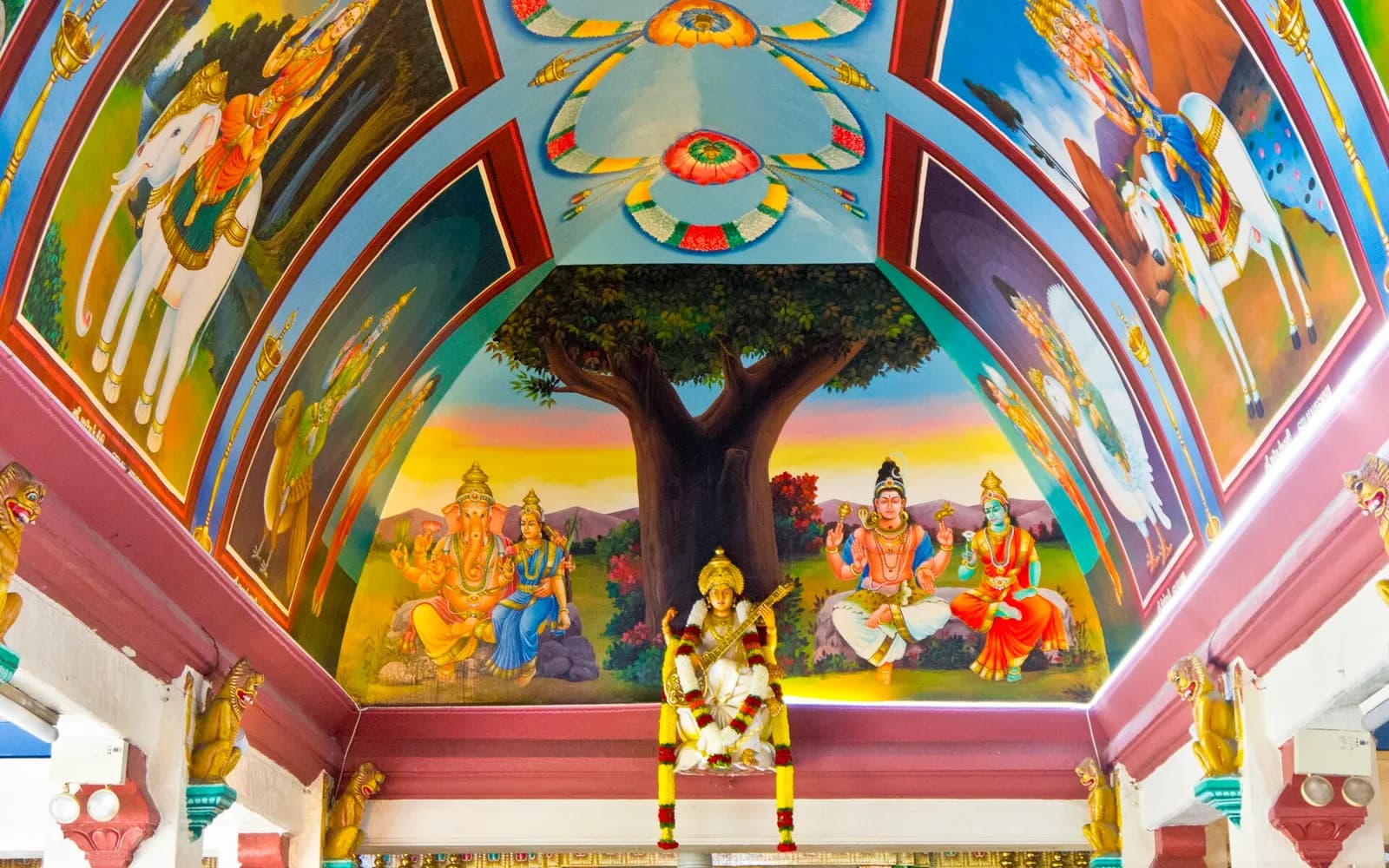
Photo: DINS-COM, CC BY-SA 4.0, cropped
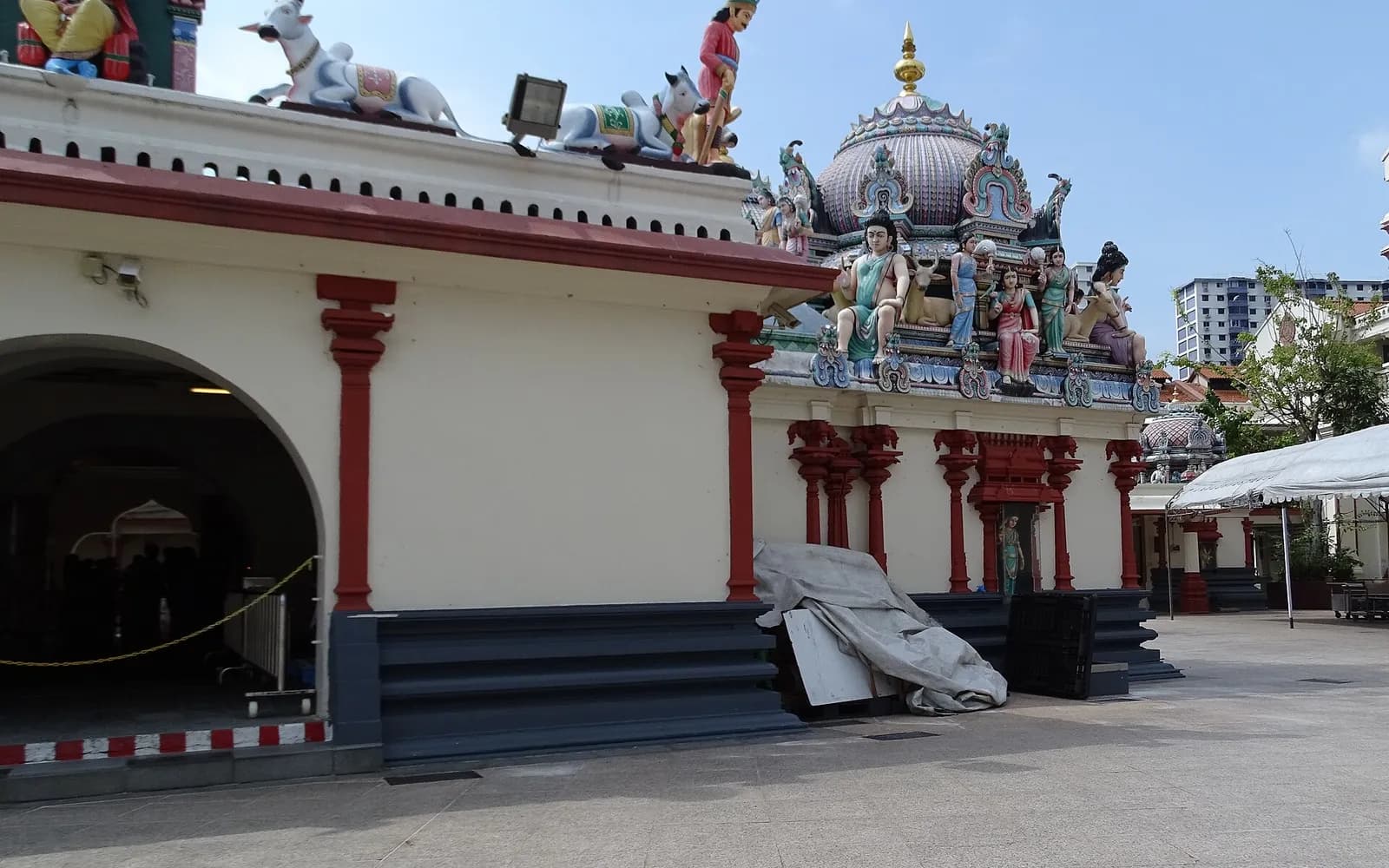
Photo: -jkb-, CC BY-SA 3.0, cropped
In and around Chinatown & Tanjong Pagar
Nordic fine dining in Chinatown & Tanjong Pagar, rated 4.8 on Google.
Chinatown & Tanjong Pagar

Contemporary Chinese-French in Chinatown & Tanjong Pagar, rated 4.6 on Google.
Chinatown & Tanjong Pagar


Southeast Asian in Chinatown & Tanjong Pagar, rated 4.6 on Google.
Chinatown & Tanjong Pagar

Indian grill in Chinatown & Tanjong Pagar, rated 4.6 on Google.
Chinatown & Tanjong Pagar
In and around Chinatown & Tanjong Pagar

5-star in Chinatown & Tanjong Pagar, rated 4.6 on Google.
Chinatown & Tanjong Pagar

Boutique in Chinatown & Tanjong Pagar, rated 4.5 on Google.
Chinatown & Tanjong Pagar

4-star in Chinatown & Tanjong Pagar, rated 4.4 on Google.
Chinatown & Tanjong Pagar

4-star in Chinatown & Tanjong Pagar, rated 4.4 on Google.
Chinatown & Tanjong Pagar
Boutique in Chinatown & Tanjong Pagar, rated 4.3 on Google.
Chinatown & Tanjong Pagar
Keep exploring

A large Buddhist temple and museum in Chinatown, built in Tang dynasty style, with a sacred relic, a rooftop garden and free entry.
Chinatown & Tanjong Pagar Weekday mornings

A historic Chinese temple on Telok Ayer Street, built by Hokkien settlers to honour Mazu, the goddess of the sea.
Chinatown & Tanjong Pagar Weekday mornings
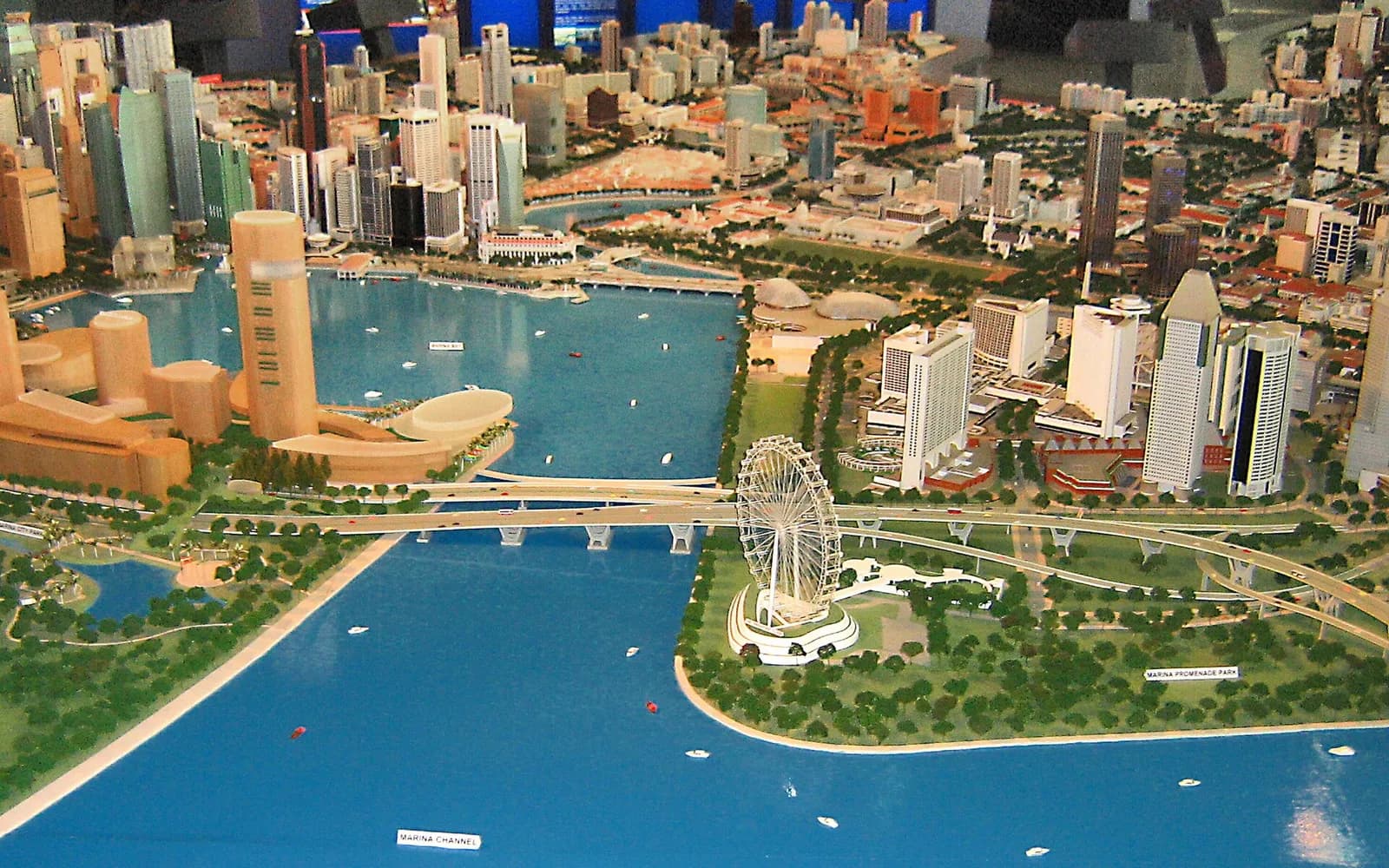
A free gallery on how Singapore plans its land, homes and green spaces, with large architectural models of the city.
Chinatown & Tanjong Pagar Midday

Murals, indie boutiques and the golden dome of Sultan Mosque.
Bugis & Kampong Glam Late afternoon
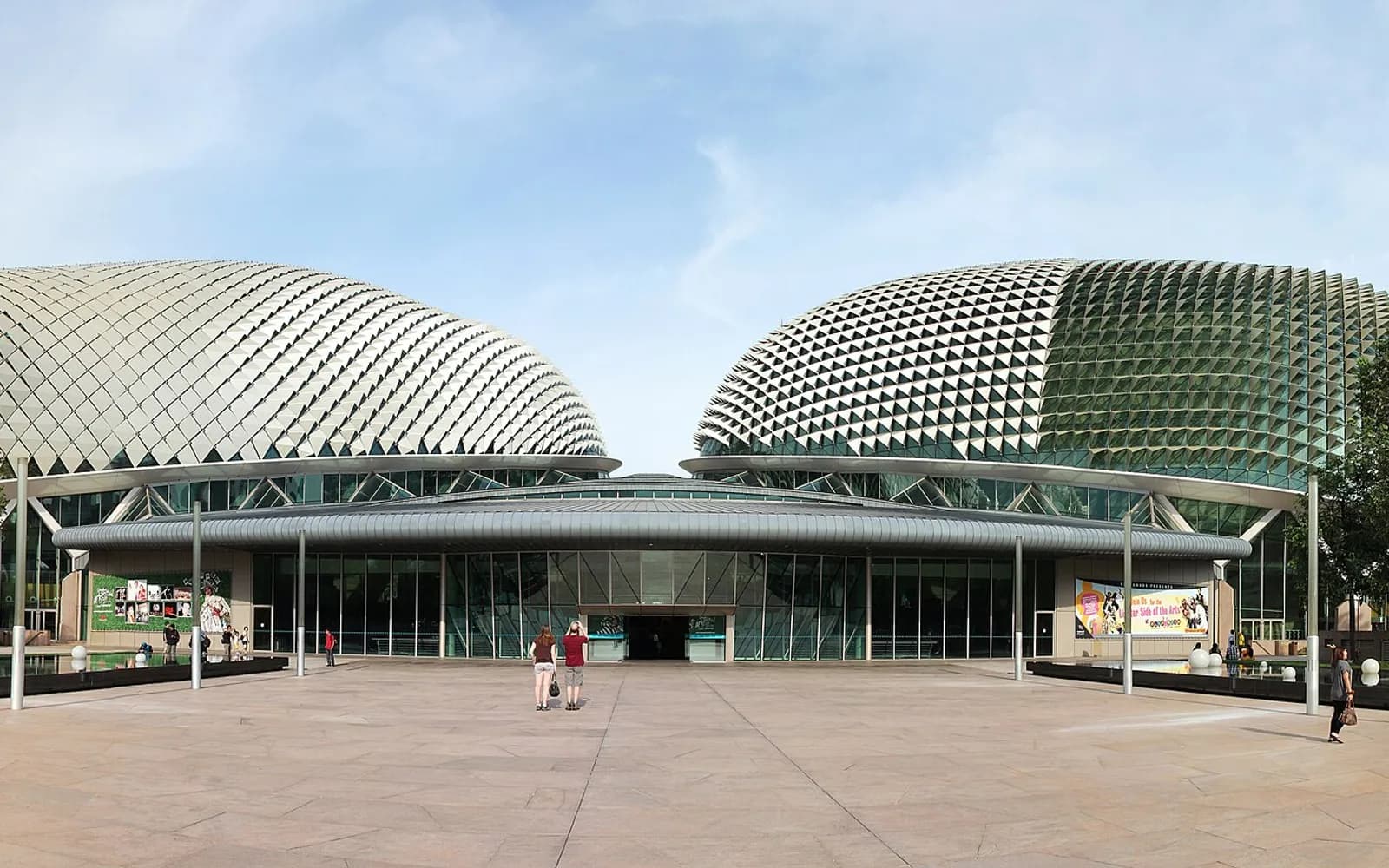
Singapore's waterfront arts centre, known for its spiky domes and its many free performances by the bay.
City Hall & Clarke Quay Early evening