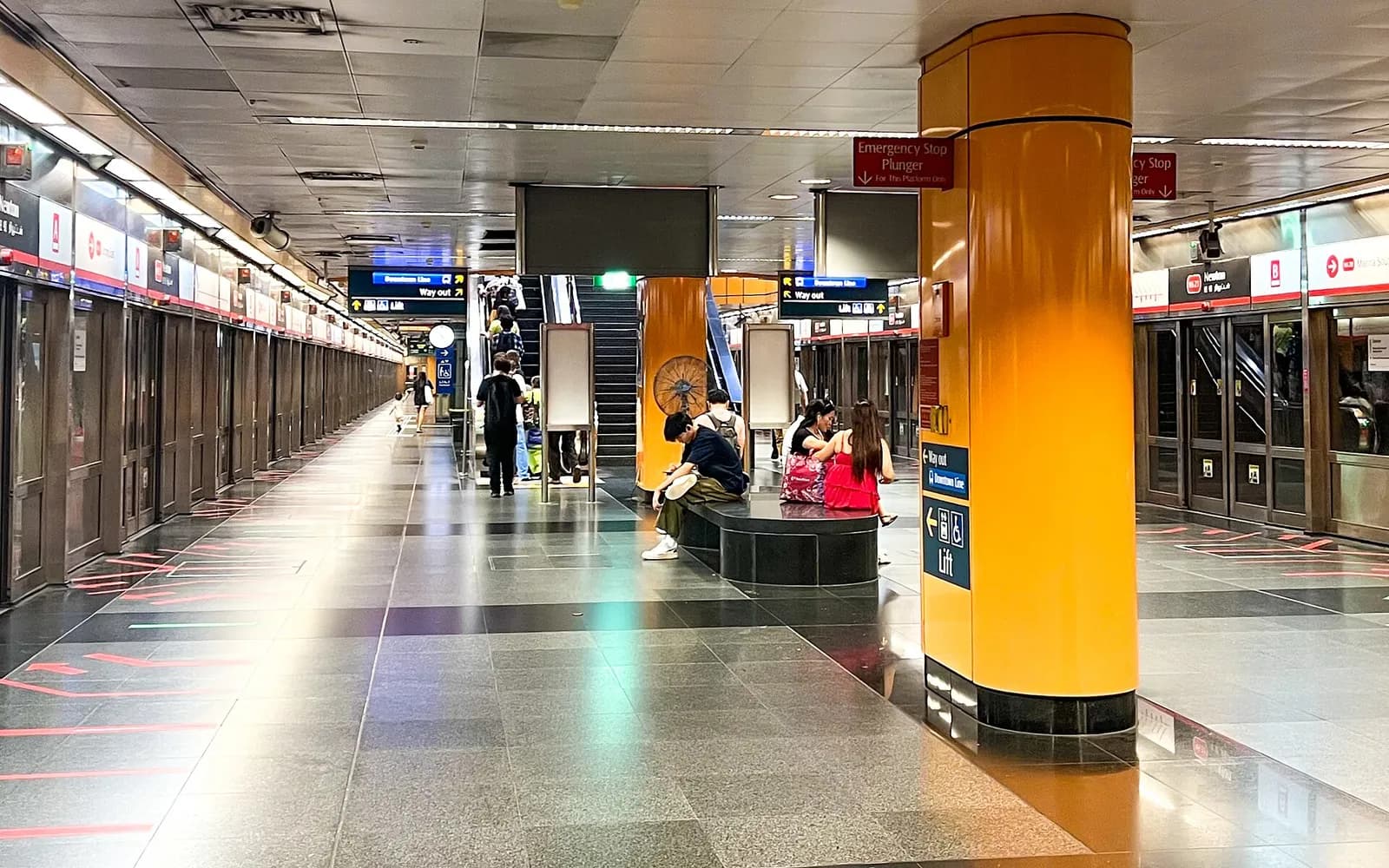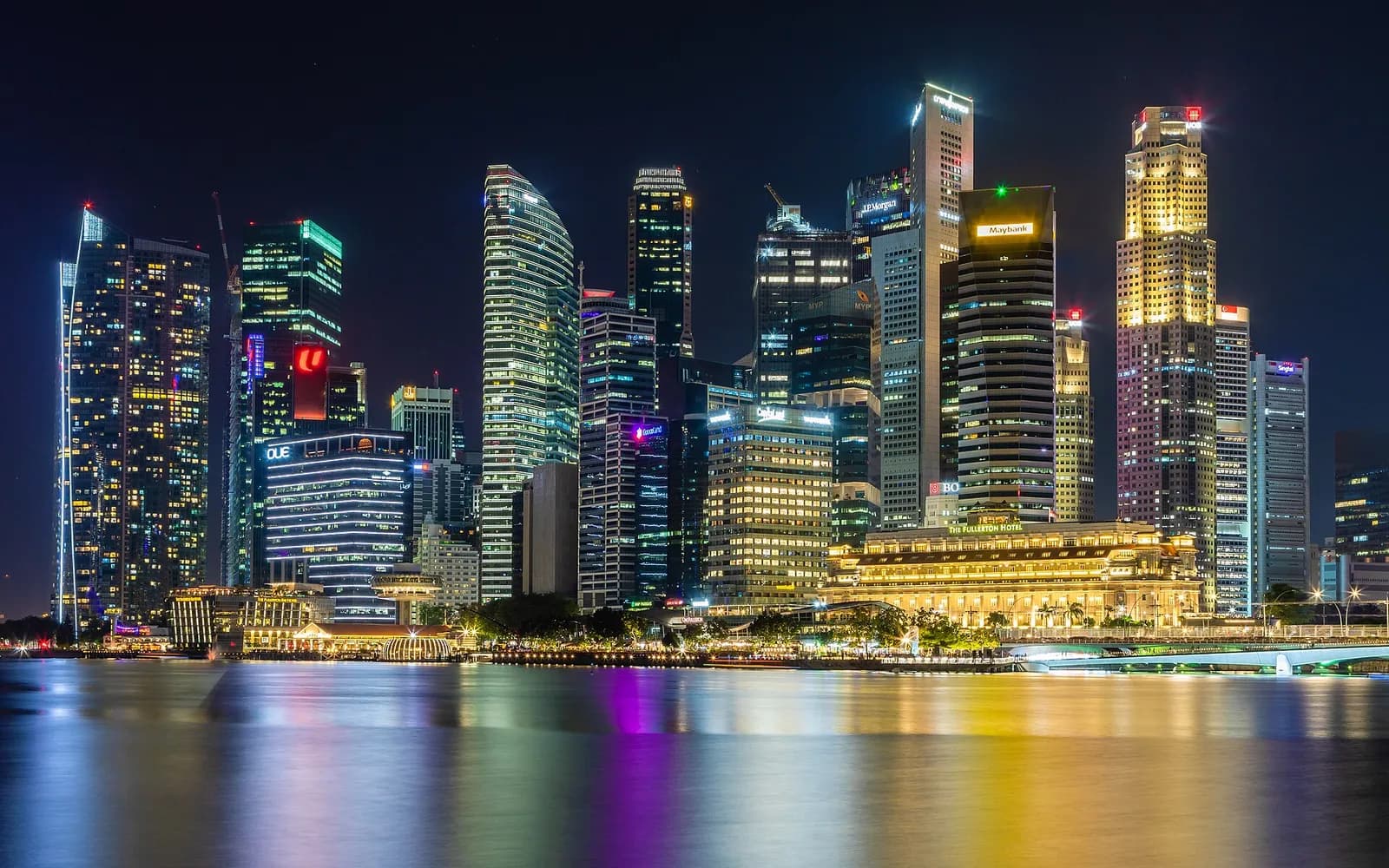


Staying in the Singapore heartlands means sleeping among the public housing towns where most Singaporeans live. Expect a hawker centre within a short walk, a morning wet market and a mall beside the MRT station. Food is cheaper, the pace is calmer, and you see everyday local life.
There are fewer hotels here than in the city centre, and the main sights are further away. But for a second visit, a longer stay or a family trip, the heartlands can be a good base. For central options, see our Where to Stay by Area guides.
What the heartlands are
"Heartlands" is the local word for the residential towns outside the city centre. Most homes there are HDB flats, built by the Housing & Development Board, Singapore's public housing agency. Towns such as Toa Payoh, Tampines, Bedok and Ang Mo Kio each have their own town centre.
A town centre usually has an MRT station, a bus interchange, a mall and a hawker centre close together. Around it, blocks of flats spread out, with shops, coffee shops and playgrounds at ground level.
A day around an HDB town
Morning: the wet market and a kopitiam breakfast
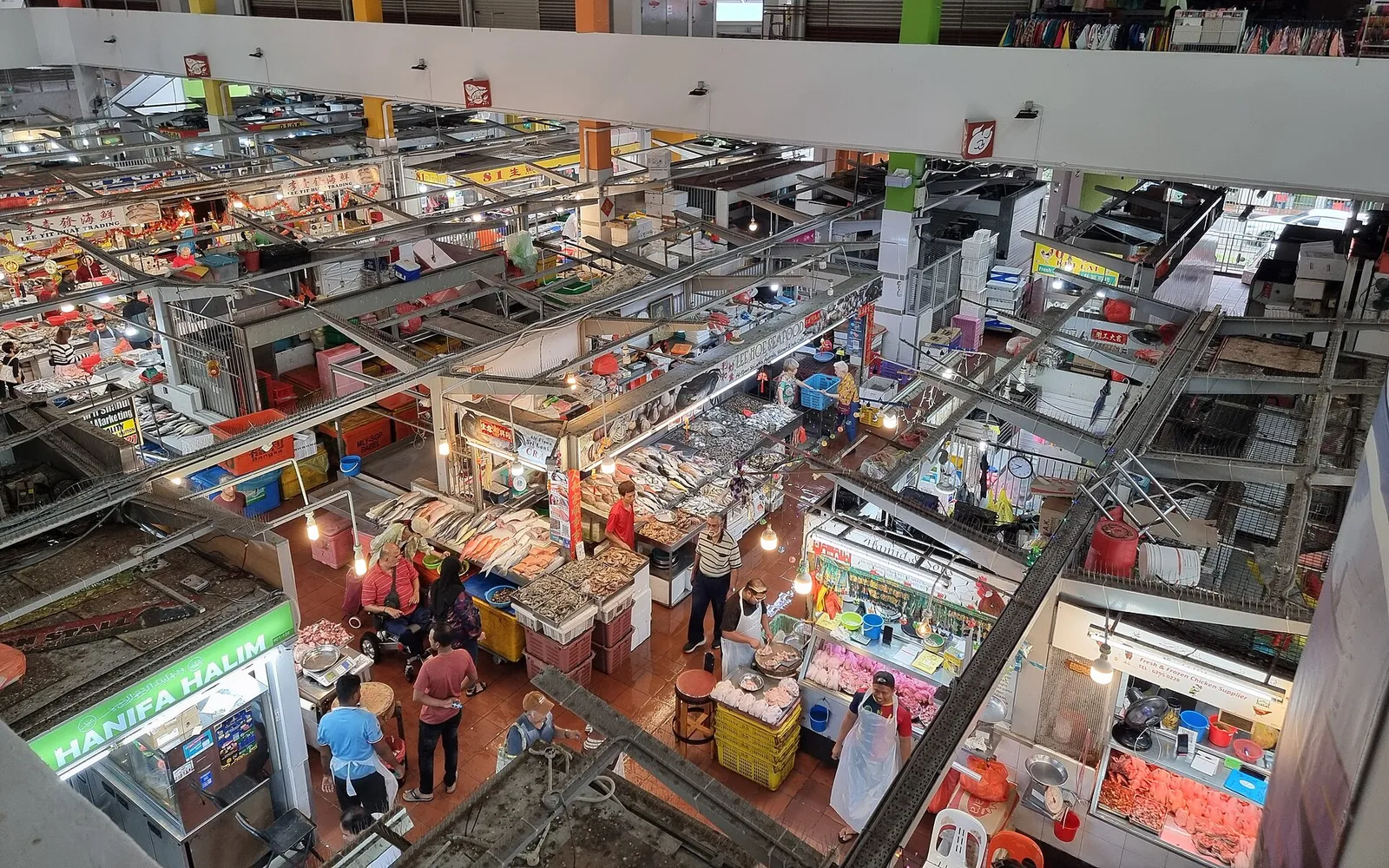
Wet markets are busiest early in the morning. Stalls sell fish, meat, vegetables, fruit and flowers, and the floors are often wet from washing, hence the name. Many stalls close by late morning.
Nearby, a kopitiam, which means a traditional coffee shop, serves kaya toast, soft-boiled eggs and strong local coffee. Read What Is a Kopitiam? and How to Order Kopi in Singapore before you go.
Lunch and dinner at the hawker centre
Most towns have at least one hawker centre, a large food hall with many small stalls. Neighbourhood examples include Old Airport Road Food Centre, Whampoa Makan Place and ABC Brickworks Market & Food Centre. If you are new to them, start with What Is a Hawker Centre?
Locals often reserve a seat by leaving a packet of tissues on the table. This is called "chope". Return your tray when you finish, and read our hawker centre etiquette guide for the other rules.
Afternoon: the neighbourhood mall
Heartland malls usually sit next to the MRT station or bus interchange. They have supermarkets, pharmacies, clinics, food courts and low-cost shops. On a hot or rainy afternoon, they are a cool place to spend an hour.
Evening: void decks and playgrounds
The ground floor of most HDB blocks is an open space called a void deck. Residents use it as a shortcut, a meeting place and a space for events. You may see a wedding or a funeral wake held there. Walk past quietly, and do not take photos of a wake.
Parks and park connectors
Many towns sit beside large parks, linked by the Park Connector Network. These long paths for walking, running and cycling join parks across the island. In many towns, you can rent a bicycle through an app.
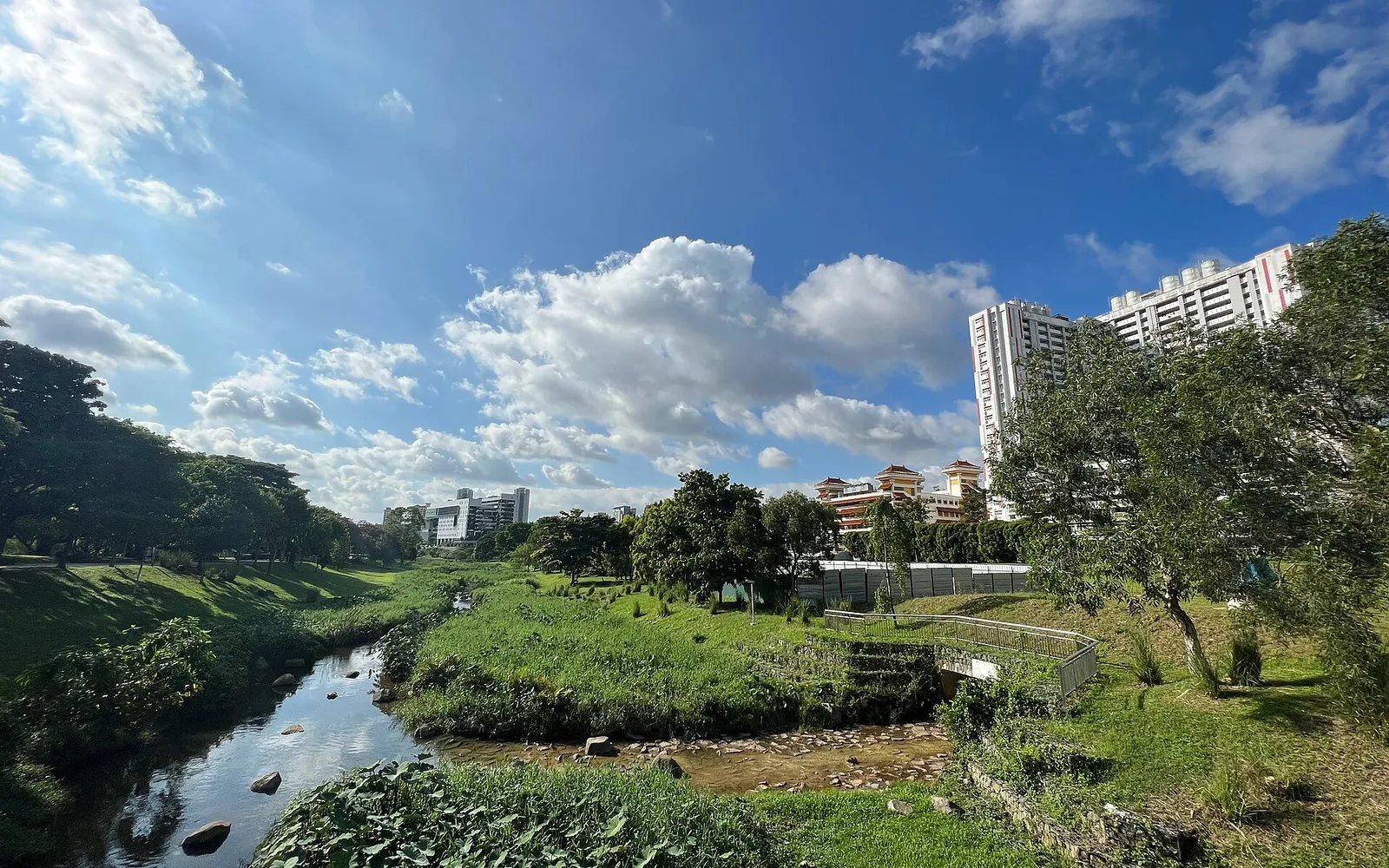
Good examples are Bishan-Ang Mo Kio Park, with a river winding through open lawns, and Pasir Ris Park on the coast in the east. East Coast Park is popular for cycling by the sea. Go in the early morning or evening, when it is cooler.
Where to stay near the heartlands
Hotels outside the centre are fewer, so look at areas rather than single towns:
- Pasir Ris and Tampines: D'Resort @ Downtown East is a resort in the same area as Pasir Ris Park. See Hotels in Pasir Ris & Tampines.
- Balestier and Toa Payoh: a few MRT stops north of Orchard, with local eateries such as Boon Tong Kee (Balestier). See Hotels in Balestier & Toa Payoh.
- Katong and Joo Chiat: heritage streets close to the housing estates of Marine Parade. See Hotels in Katong & Joo Chiat.
HDB rules do not allow short holiday rentals of flats, so book a licensed hotel or serviced apartment.
Tips for making the most of it
- Carry some cash. Many stalls take cards or QR payments, but not all.
- Visit the wet market early, before the best produce sells out.
- Use buses as well as the MRT. A bus stop is often closer to the blocks than the station.
- Keep your voice down late at night. People live right above the shops.
- Smoking is not allowed in many public places, including hawker centres, except in marked areas.
FAQs about staying in the Singapore heartlands
What does "heartlands" mean in Singapore?
It means the residential towns outside the city centre, where most people live in HDB flats. The word stands for everyday local life rather than tourist areas.
Is it safe to stay in an HDB town?
Yes. HDB towns are generally safe and well lit, with families out in the evening. Take the same normal care you would anywhere.
Can I rent an HDB flat for a short holiday?
No. HDB rules do not allow short-term holiday rentals of flats. Stay in a licensed hotel or serviced apartment instead.
How do I get to the city from the heartlands?
The MRT is usually fastest. Most towns have a station at the town centre, and buses fill the gaps. Our guide to using the MRT explains fares and cards.