

 Getting Around
· 3 min read
How to Use the MRT in Singapore: A Tourist Guide
Paying, planning routes, fares and the rules to know before you ride Singapore's MRT.

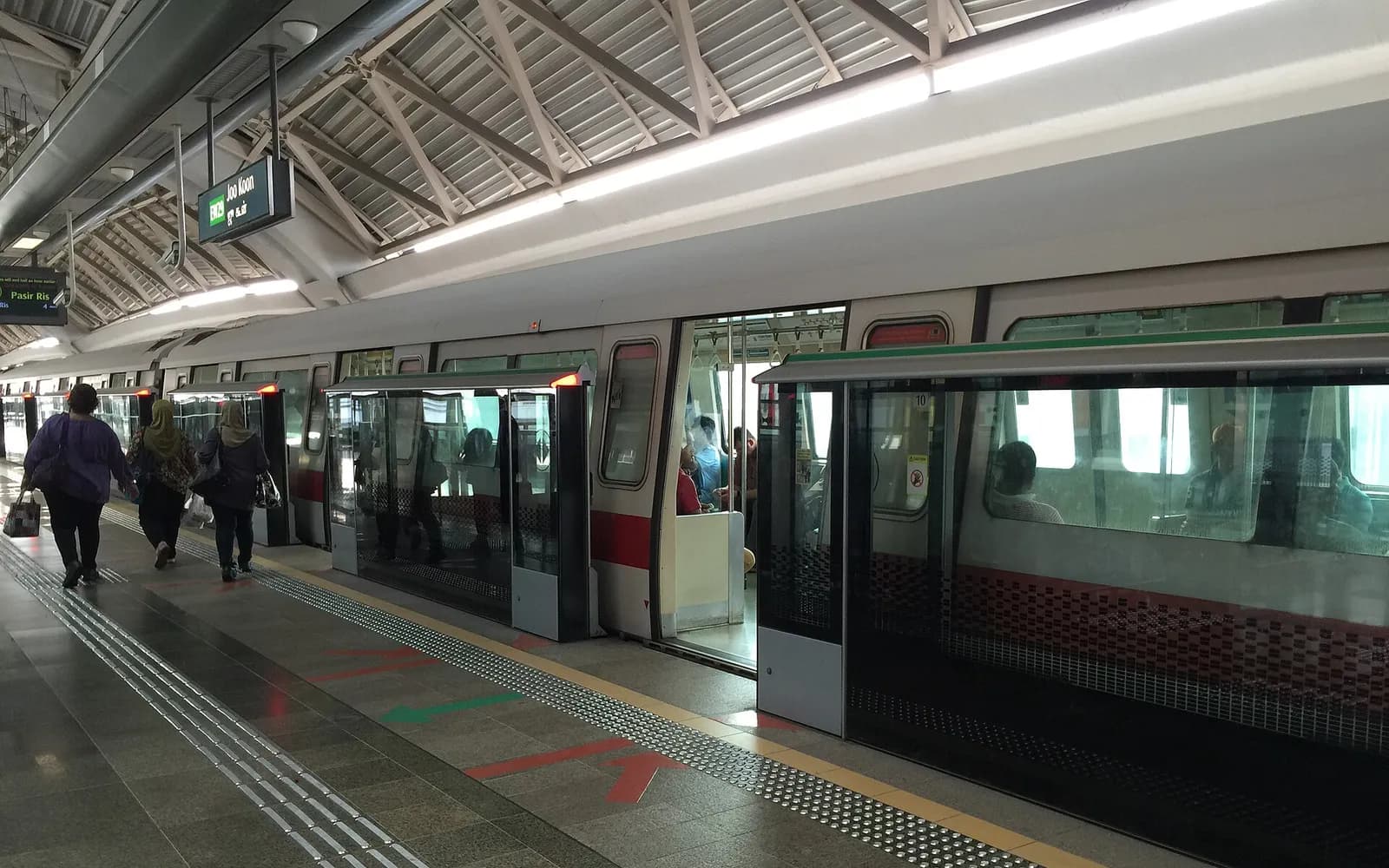
Photo: LN9267, CC BY-SA 4.0, cropped
Blog
The practical side of a Singapore trip, answered clearly.
These Singapore travel tips cover the practical side of a trip. Topics include visas and entry, Changi Airport, getting around, money and costs, weather, local laws, health and SIM cards. Use the list below to pick a topic, and sort out the basics before you fly.
First time on the trains? Read How to Use the MRT in Singapore: A Tourist Guide.
Showing 1–1 of 1 guides
Getting Around· 3 min read
Paying, planning routes, fares and the rules to know before you ride Singapore's MRT.
These Singapore travel tips start with the steps to take before you leave home. Make sure your passport is valid for at least six months when you arrive. Many nationalities can visit without a visa, but the rules depend on your passport. Check the official Immigration & Checkpoints Authority (ICA) website before you book.
Foreign visitors must also submit the SG Arrival Card online in the three days before arrival. It is free on the ICA website and the MyICA app. Some other websites charge a fee for the same form, so use the official channels only. See Visas & Entry.
Changi Airport is large but clearly signposted. Many visitors can use the automated immigration gates. From the airport, the MRT, taxis, ride-hailing cars and buses all reach the city. Jewel Changi Airport sits next to Terminal 1 and is worth a look before you fly home. For a very early flight, consider Changi Airport Hotels. The Changi Airport topic covers the airport in more detail.
See Getting Around for more on transport.
The currency is the Singapore dollar. Cards and contactless payment work almost everywhere. Some hawker stalls take only cash or local payment apps, so carry a little cash. Tipping is not expected. Many restaurants add a 10% service charge plus GST, the goods and services tax. Menus often show this as "++" after the price.
Hawker food is cheap, while hotels, taxis and alcohol cost more than in many Asian cities. See Money & Costs. If you shop, read GST Refund at Changi Airport: Step-by-Step Guide.
Singapore is hot and humid all year, with sudden heavy showers. The wettest months are usually around November to January. Pack light, breathable clothes, a small umbrella and sun cream. Malls, trains and cinemas are cold, so bring a light layer. Singapore uses three-pin, UK-style plugs. See Weather & Best Time to Visit and Packing Lists.
Singapore's rules are strict, and fines are common. Most are easy to follow once you know them.
See Etiquette & Local Laws and Hawker Centre Etiquette in Singapore: 9 Simple Rules.
See Safety & Health, SIM Cards & Wi-Fi and Accessible Travel.
It depends on your passport. Many nationalities can enter without a visa for a short visit. Check the ICA website before you book.
It is a free online form that foreign visitors submit before arrival. Use the ICA website or the MyICA app, not a paid third-party site.
Tipping is not expected. Many restaurants already add a service charge, and hawker stalls do not expect tips.
Yes. Tap water is safe to drink straight from the tap, so you do not need to buy bottled water.
Singapore uses three-pin, UK-style plugs, known as Type G. Bring an adapter if your devices use a different plug.