

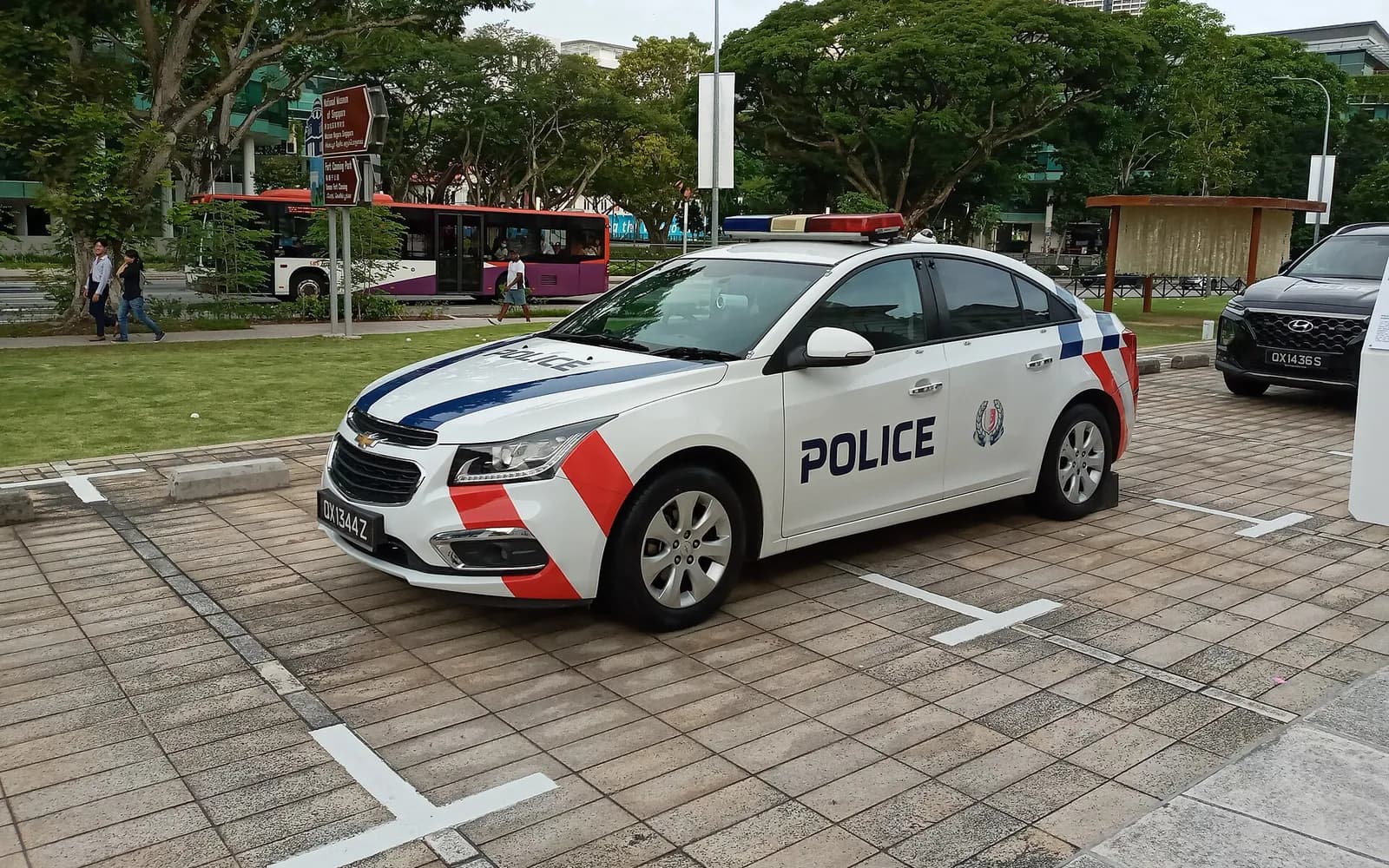
Photo: CoreFunctions, CC BY-SA 4.0, cropped
Travel Tips
Safety & Health Guides
One of the world's safest cities: what to watch for anyway, from the heat to mosquitoes and medical care.
Is Singapore safe? For most visitors, yes. Crime is low, and most travellers feel very safe here. This page gathers EatStays guides on safety and health, from the heat and mosquitoes to pharmacies, clinics and emergency numbers. Guides on this topic appear in the list below. The notes further down cover the essentials.
Travelling alone? See Solo Travel.
New guides are on the way. Browse Travel Tips →
Is Singapore safe for visitors?
Is Singapore safe? Yes, for nearly all travellers. Crime is low, streets are well lit and the MRT feels safe in the evening. Many solo travellers and families find it one of the easiest places to visit. The main health risks come from the climate: heat, strong sun and mosquitoes. A few simple habits keep you safe and well.
Crime, fraud and local laws
- Watch your bags in crowds. Pickpocketing is rare, but it can happen in busy markets and festival crowds.
- Never leave bags unattended. At the airport and in MRT stations, a lone bag is treated as a security concern.
- Be careful with calls and messages. Hang up on anyone who asks for money or bank details. This applies even if they say they are from a bank or the police.
- Use official websites. Submit the SG Arrival Card only on the official ICA website or the MyICA app. Some other sites charge a fee for the same free form. See Visas & Entry.
- Agree on prices first. In small shops without price tags, agree on the full price before you pay.
- Take licensed taxis. Use taxi ranks, metered taxis or a ride-hailing app.
Singapore's laws are strict, and fines are common. Do not litter, smoke outside marked areas or eat on the MRT. Vaping is illegal, and drug offences carry very severe penalties. Traffic drives on the left, so look right first and cross at marked crossings. See Etiquette & Local Laws. Staying in a dorm? Read Are Singapore Hostels Safe? Lockers, Keycards and Tips.
Heat, sun and water
For most visitors, the heat is the biggest health issue. Days are often above 30°C, and the humidity makes it feel hotter.
- Drink water often. Tap water is safe to drink, so carry a bottle and refill it.
- Plan outdoor sights for the morning or late afternoon. Rest indoors around midday.
- Wear a hat and sun cream. The sun is strong all year, even on cloudy days.
- Know the signs of heat exhaustion: dizziness, headache, nausea and heavy sweating. Move somewhere cool, sip water and rest.
- During thunderstorms, get out of pools and away from open ground.
- If you drink alcohol, have water too. The legal drinking age is 18, so drink responsibly.
Hawker food is generally safe to eat. If you have food allergies, read Eating at Hawker Centres With Food Allergies. For the right clothes and sun gear, see Packing Lists.
Mosquitoes, haze and wildlife
Dengue fever
Dengue is a virus spread by Aedes mosquitoes, which mostly bite in the daytime. Singapore has dengue cases every year. Use insect repellent, especially in parks and gardens. See a doctor if you get a sudden high fever, a bad headache, or joint and muscle pain. The National Environment Agency shares dengue and air quality updates.
Haze
In some dry spells, smoke from fires in the region causes haze. Check the air quality readings. If levels are high, spend less time outdoors.
Monkeys and other wildlife
Long-tailed macaques, a type of monkey, live in nature areas such as Bukit Timah Nature Reserve and around the MacRitchie TreeTop Walk. Keep food and plastic bags out of sight. Never feed them, as feeding wildlife is against the law.
Pharmacies, clinics and hospitals
- Pharmacies. Chains such as Guardian and Watsons are in most malls. Pharmacists can help with minor problems. Some medicines need a doctor's prescription.
- Clinics. For minor illness, visit a general practitioner (GP) clinic. Many are in malls and housing estates, and many accept walk-in patients.
- Hospitals. For serious problems, go to a hospital emergency department, known locally as A&E. Public hospitals include Singapore General Hospital and Tan Tock Seng Hospital.
- Travel insurance. Medical care is of a high standard but costly for visitors. Buy travel insurance that covers medical treatment.
- Bringing medicines. Carry prescription medicines in their original packs, with a copy of the prescription. Some need approval before you travel, so check with the Health Sciences Authority.
Emergency numbers in Singapore
- 999: police.
- 995: ambulance and fire.
- 1777: non-emergency ambulance.
Save your hotel's address and your embassy's contact details on your phone before you go out.
FAQs about safety and health in Singapore
Is Singapore safe for solo female travellers?
Yes. Most women travelling alone feel safe in Singapore, including at night. Take the usual care, and use licensed taxis or ride-hailing apps late at night.
Can you drink tap water in Singapore?
Yes. Tap water is safe to drink straight from the tap.
Do I need vaccinations for Singapore?
Most visitors need no special vaccinations. If you arrive from a country with yellow fever risk, you may need a yellow fever certificate. Check with your doctor before you travel.
What is the emergency number in Singapore?
Call 999 for the police and 995 for an ambulance or the fire service.
Is it safe to walk around Singapore at night?
Generally, yes. Central areas are well lit and busy into the evening. Stay alert, as you would in any city.