

 Marina Bay
· 4 min read
What Is Marina Bay Famous For? Its Landmarks Explained
Why Marina Bay became the face of Singapore, and what each of its landmarks means to the city, from the Merlion to the Supertrees.
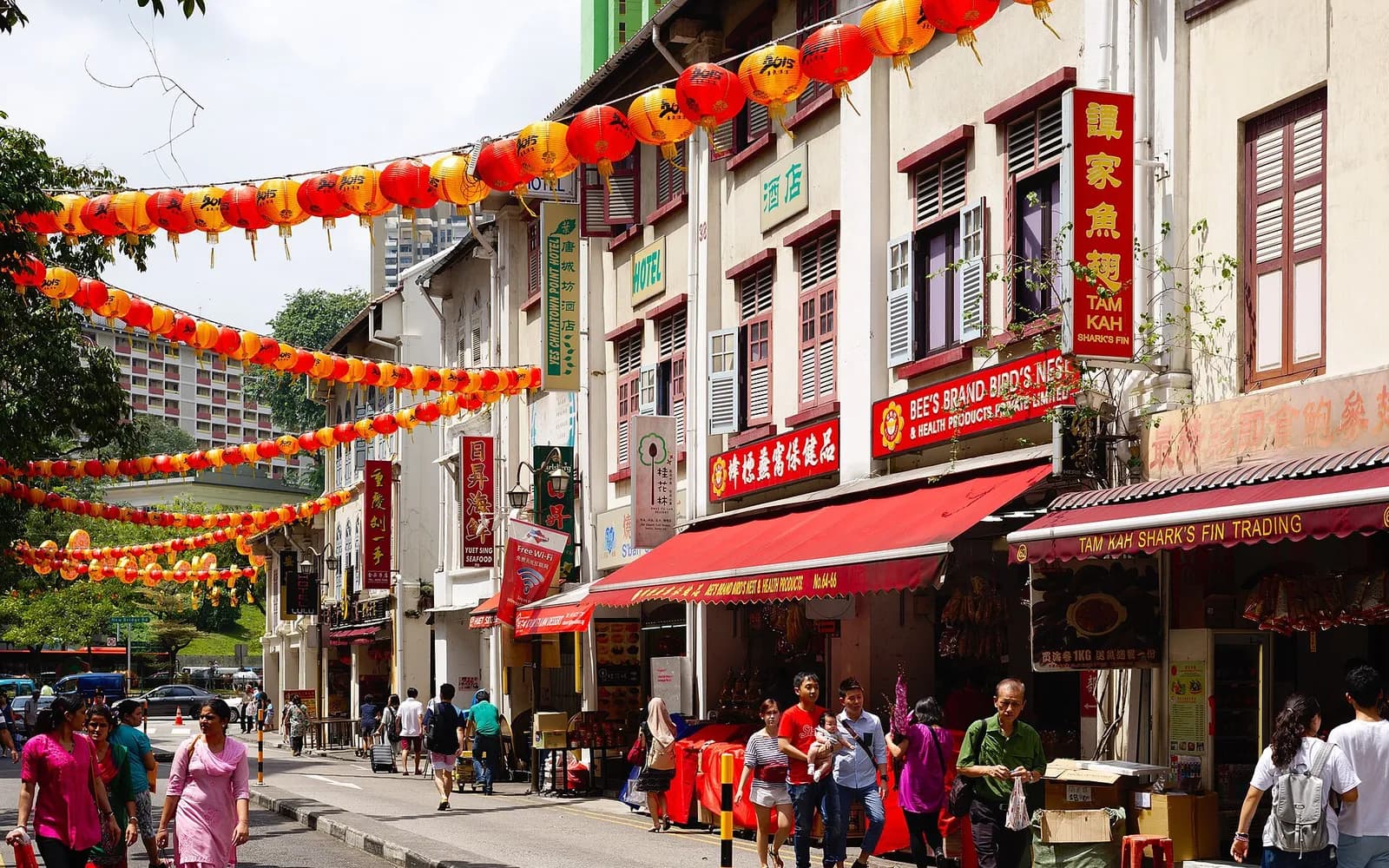
Photo: Nicolas Lannuzel from Singapore, Singapore, CC BY-SA 2.0, cropped
Blog
Singapore area by area: the character, food and sights of each neighbourhood.
Singapore neighbourhoods each have their own food, history and pace. This page groups our area guides so you can explore one district at a time. Start with Marina Bay for the waterfront, or Chinatown and Little India for heritage streets. Head to Katong & Joo Chiat for Peranakan food. Use them to decide what to see, where to eat and where to stay.
Showing 1–11 of 11 guides
Marina Bay· 4 min read
Why Marina Bay became the face of Singapore, and what each of its landmarks means to the city, from the Merlion to the Supertrees.
 Little India
· 5 min read
Simple rules for visiting the temples of Little India, from shoes and dress to photos, quiet behaviour and what not to touch.
 Marina Bay
· 4 min read
A simple roundup of the main sights, walks, free shows and places to eat around Marina Bay, with links to our detailed guides.
 Little India
· 4 min read
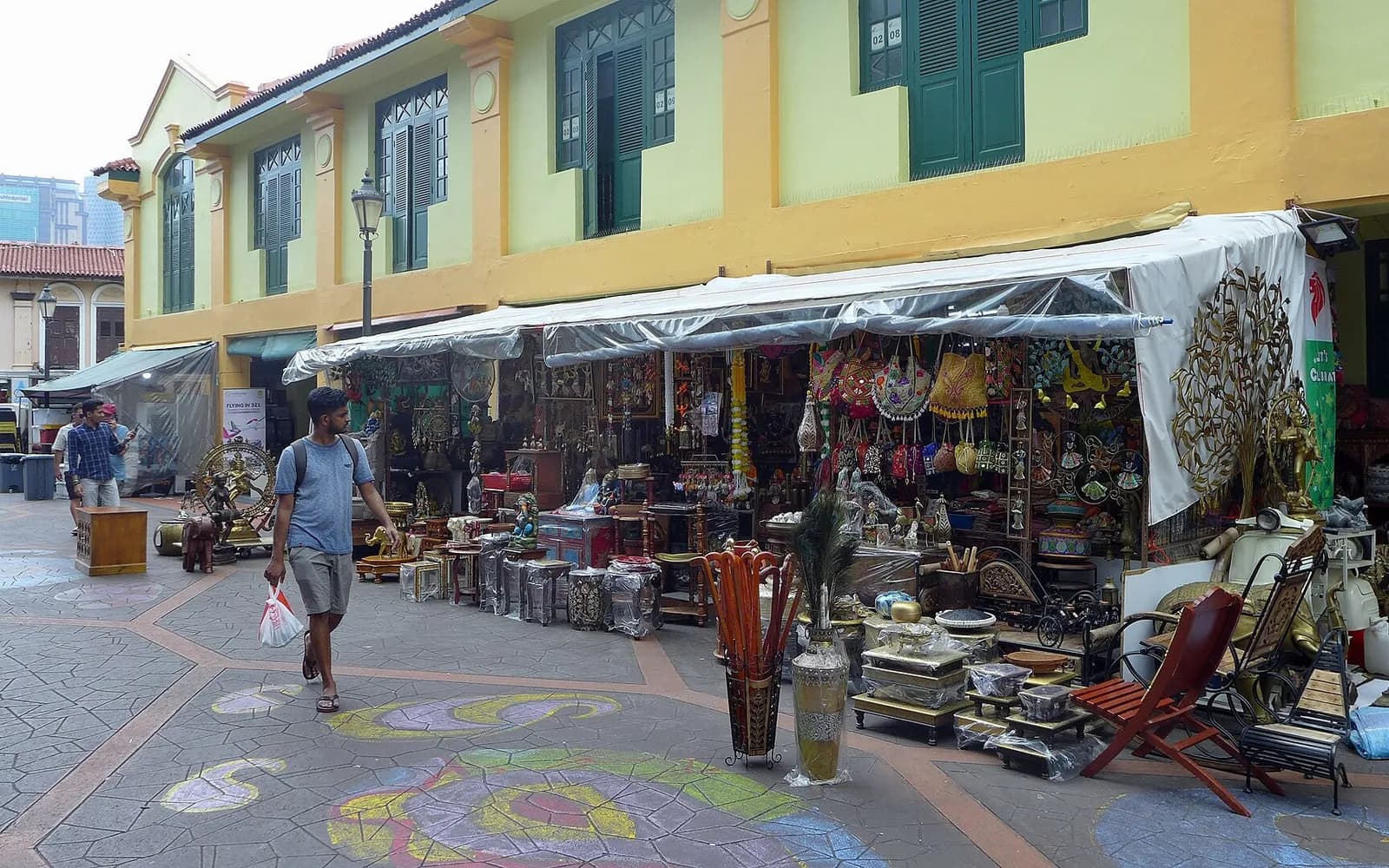
What to find inside Little India Arcade on Serangoon Road, from henna and sweets to festive goods, plus tips for an easy visit.
 Marina Bay
· 4 min read
A morning-to-night walking plan for Marina Bay that links the main sights in order and keeps you indoors in the hottest hours.
 Little India
· 4 min read
How Little India grew from cattle pens, brick kilns and a racecourse into the centre of Singapore's Indian community.
 Marina Bay
· 4 min read
How to enjoy Marina Bay for little money, with free sights and shows, cheap hawker meals and the few paid tickets worth buying.
 Little India
· 4 min read
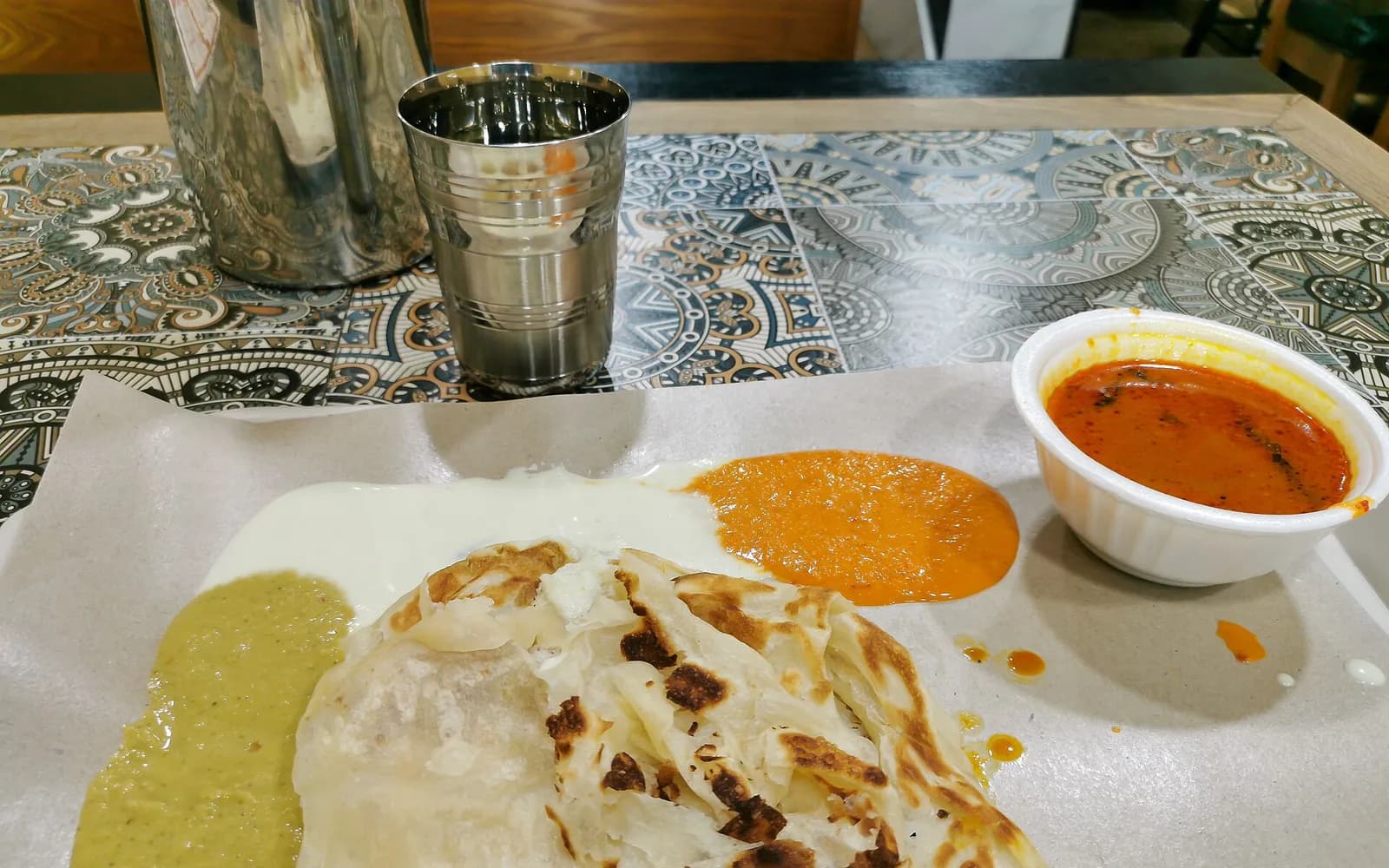
A short list of classic Indian dishes to order on your first visit to Little India, with a line on each and where to try them.
 Marina Bay
· 4 min read
Which MRT station to use for each part of Marina Bay, plus bus, taxi and walking options from the city centre and popular hotel areas.
 Little India
· 4 min read
What you get on the leaf, how refills and side dishes work, and how to finish a banana leaf meal the local way.
 Tiong Bahru
· 3 min read
A simple self-guided walk through one of Singapore's oldest housing estates, with stops for food and coffee.
Singapore neighbourhoods sit close together, but each one feels different. In a single day you can see Chinese temples, a historic mosque and Indian spice shops. Most central districts are linked by the MRT, the city's metro. Many are also easy to explore on foot. Pick two or three areas per day and take your time.
In the older districts you will see rows of shophouses. A shophouse is a narrow terraced building with a shop below and living space above. Many now hold cafés, hotels and small shops.
This is the modern face of the city. Office towers of the CBD, or central business district, rise around the bay. Key sights include Gardens by the Bay and Merlion Park. For food, try Lau Pa Sat, a historic hawker centre among the offices. Read What Is Marina Bay Famous For? Its Landmarks Explained for an overview.
Old riverside warehouses at Clarke Quay now hold restaurants and nightlife. A Singapore River Cruise is an easy way to see the area. Fort Canning Park sits on the hill above. Robertson Quay, further upriver, is quieter.
Orchard Road is Singapore's main shopping street, lined with malls. Mall basements have food courts and cheap eats. The Singapore Botanic Gardens, a UNESCO World Heritage Site, is a short ride away.
Chinatown mixes temples, shophouses and hawker food. Buddha Tooth Relic Temple and Sri Mariamman Temple are a short walk apart. Next door, Tanjong Pagar & Keong Saik has restored shophouses and many restaurants. For an easy food route, try the Chinatown Cheap Eats Crawl: A Half-Day Route.
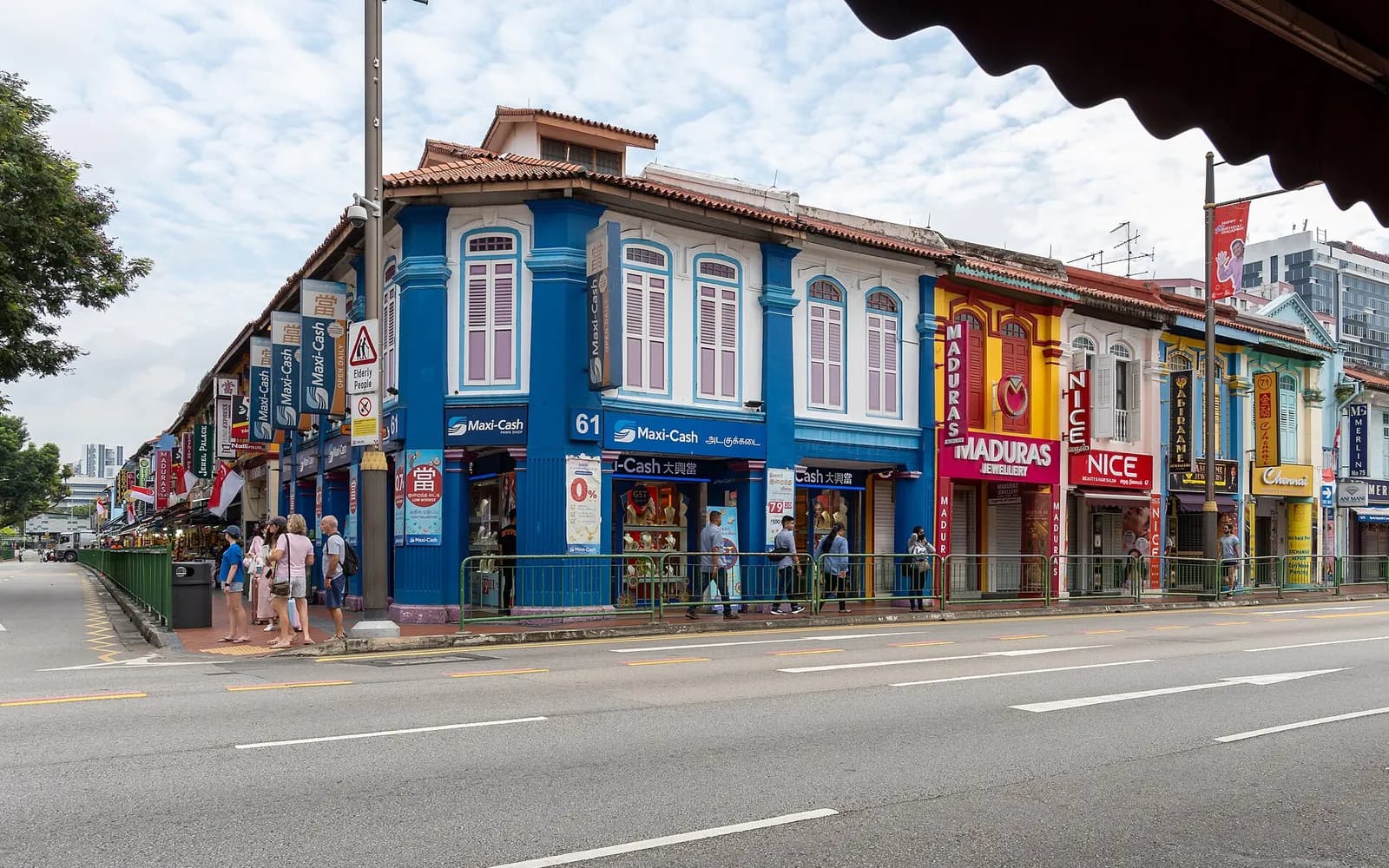
Little India centres on Serangoon Road, with spice shops, flower stalls and gold jewellers. Visit Sri Veeramakaliamman Temple and eat at Tekka Centre. The Indian Heritage Centre tells the story of the community. Before visiting temples, read Little India Temple Etiquette: What Visitors Should Know.
Kampong Glam is the historic Malay and Muslim quarter. The golden dome of Sultan Mosque stands at its centre. Nearby, Kampong Glam & Haji Lane has small shops, murals and cafés. For murtabak, a stuffed and pan-fried flatbread, try Zam Zam Restaurant.
This eastern district is known for its Peranakan heritage. Peranakan culture blends Chinese and Malay influences, seen in food, dress and decoration. Admire the colourful Koon Seng Road Shophouses, then try a bowl at 328 Katong Laksa.
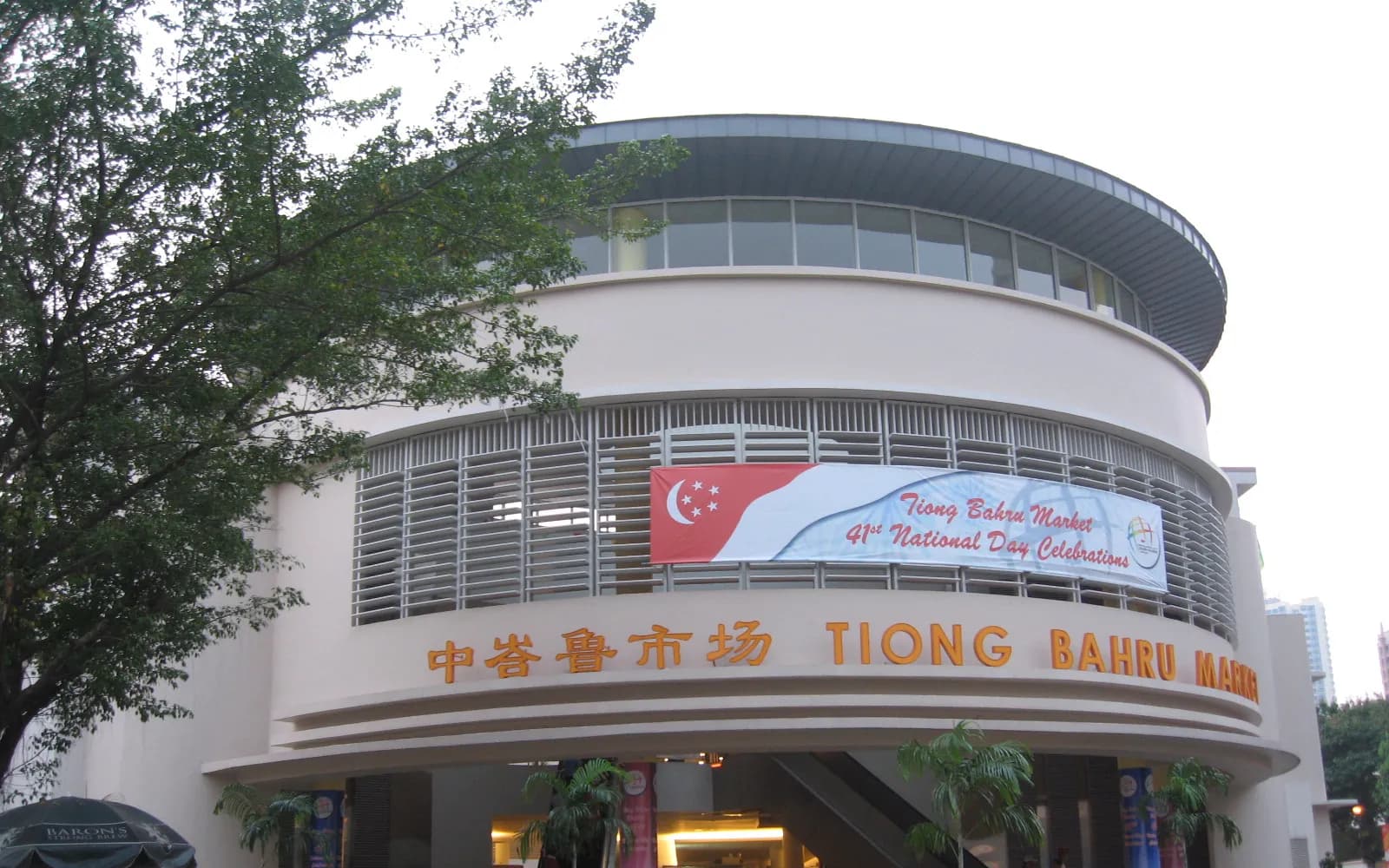
Tiong Bahru is one of Singapore's oldest housing estates, with low-rise pre-war flats. Today it has independent cafés, small shops and Tiong Bahru Market. Follow the Tiong Bahru Heritage Walk: A Self-Guided Route to see the best streets.
Marina Bay and City Hall are central and close to major sights. Chinatown and Bugis are good for food and heritage on a smaller budget.
Yes. They are a few MRT stops apart, and Little India and Kampong Glam are within walking distance of each other. Allow two or three hours for each.
Every district has good hawker food. Chinatown, Little India and Katong are especially popular with food lovers. Go outside peak lunch hours to avoid long queues.
Yes, most welcome respectful visitors. Dress modestly, remove your shoes where asked and avoid visiting during prayers. Ask before you take photos of people.