

 Tiong Bahru
· 3 min read
Tiong Bahru Heritage Walk: A Self-Guided Route
A simple self-guided walk through one of Singapore's oldest housing estates, with stops for food and coffee.
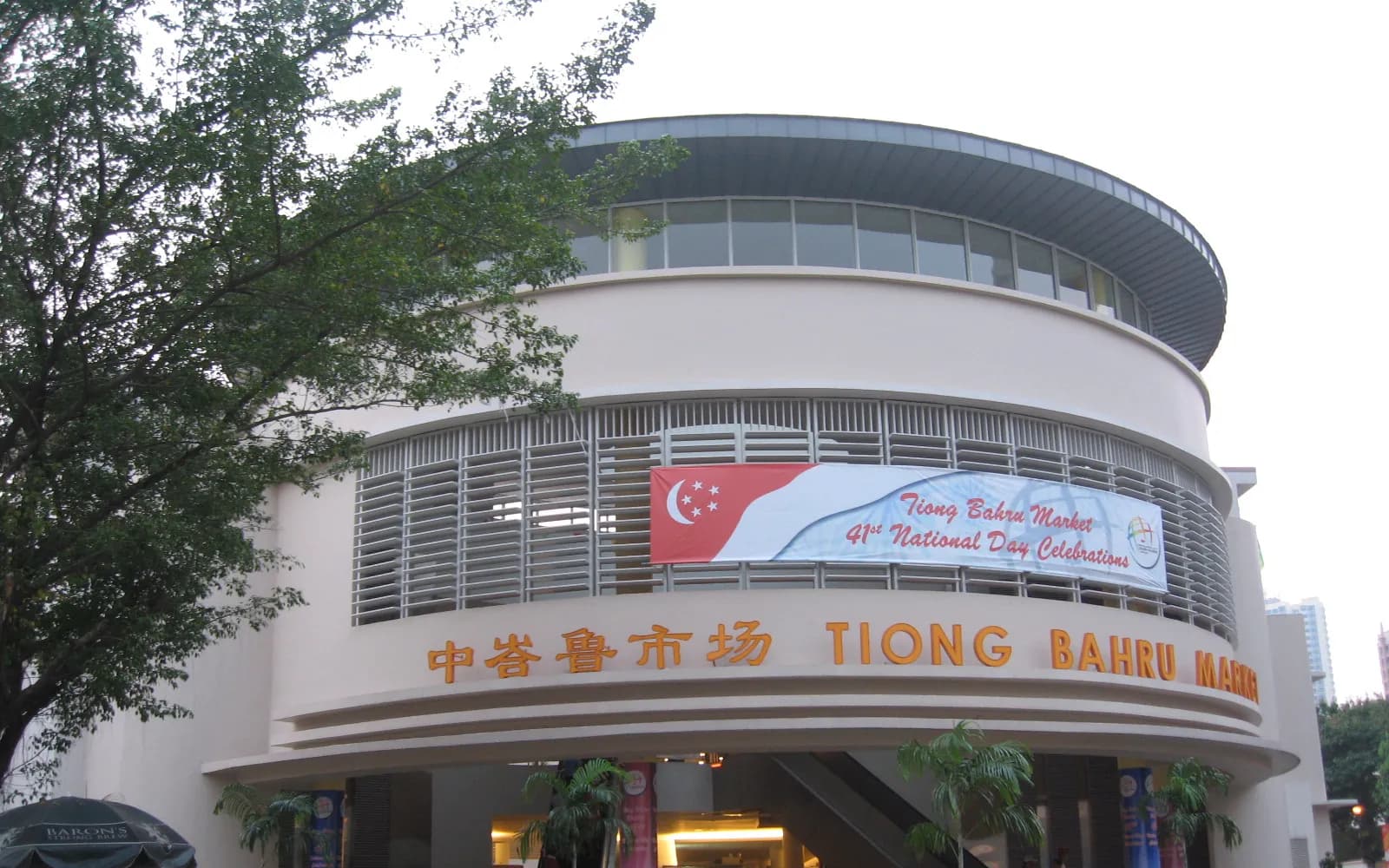
Photo: Terence Ong, CC BY 2.5, cropped
Neighbourhood Guides
Art deco walk-ups, a classic hawker market and some of Singapore's best bakeries, all in one walkable estate.
This page gathers our Tiong Bahru guides. The estate is a small, walkable area of art deco flats close to the city centre. It has a classic hawker market, popular bakeries and a long-standing café scene.
Start with the self-guided heritage walk. Then use the guide below to plan where to eat, what to look for and how to get there.
Plan it with EatStays: Tiong Bahru Market and Restaurants in Tiong Bahru & Alexandra.
Showing 1–1 of 1 guides
Tiong Bahru· 3 min read
A simple self-guided walk through one of Singapore's oldest housing estates, with stops for food and coffee.
Tiong Bahru is one of Singapore's oldest public housing estates. It sits a short ride south-west of the city centre. The estate is known for its low-rise art deco flats, its hawker market and its cafés. It is small enough to explore on foot in a morning.
The name mixes two languages. Tiong comes from a Hokkien word for a cemetery, and bahru is Malay for new. Together they mean new cemetery, as the land was once a burial ground.
The first blocks went up in the 1930s. They were built by the Singapore Improvement Trust, the public housing body of the time. Most are walk-ups, which means they have stairs but no lifts. Look out for these features as you walk:
Several walls carry murals by local artist Yip Yew Chong. They show scenes of daily life from the past. A small temple in the estate honours the Monkey God, a figure from Chinese legend. It is a working place of worship, so be quiet and respectful if you step inside.
Our post Tiong Bahru Heritage Walk: A Self-Guided Route links the best spots into one easy route. For more walks like it, see our Heritage & Architecture topic.
Tiong Bahru Market has a wet market on the ground floor and a hawker centre upstairs. A wet market sells fresh meat, fish and vegetables. A hawker centre is a food hall with many small, low-cost stalls. The upstairs floor is best for breakfast and lunch.
Look for chwee kueh, soft steamed rice cakes topped with salty preserved radish. Many stalls open early and close once they sell out, so go in the morning. If it is your first visit, read How to Order at Hawker Stalls in Singapore.
The estate is known for its independent cafés and bakeries. Tiong Bahru Bakery is a popular café and bakery here. Weekends get busy, so a weekday morning is calmer. Browse our Cafés & Bakeries list for more ideas across the city.
Tiong Bahru MRT station is on the East-West Line. From there, the market is about a ten-minute walk. Havelock station on the Thomson-East Coast Line is also close to the northern side of the estate.
Several hotels sit a short walk or ride away along Havelock Road, by the river. Four Points by Sheraton Singapore, Riverview and Furama RiverFront are both four-star choices.
It is known for its art deco flats, its market and hawker centre, and its bakeries and cafés. It is also one of the oldest public housing estates in Singapore.
It means new cemetery. Tiong is a Hokkien word for a cemetery, and bahru means new in Malay.
Take the East-West Line to the station of the same name. The market is about a ten-minute walk away.
Come on a weekday morning. The hawker stalls are open, the cafés are calmer and the heat is milder.