

 Hawker Centres
· 4 min read
What to Bring to a Hawker Centre: A Short Checklist
Six small things that make a hawker centre meal easier, from tissue packets and coins to wet wipes and a hand fan.

Photo: kallerna, CC BY-SA 4.0, cropped
Blog
Everything we know about eating in Singapore, from hawker stalls to tasting menus.
This is the EatStays Singapore food blog. It groups our eating guides by theme, so you can go straight to what you need. New to local food courts? Start with Hawker Centres, then use Hawker Dishes Explained to learn what to order. Cheap Eats and Kaya Toast & Local Breakfast help you eat well for less.
Showing 1–20 of 28 guides
Hawker Centres· 4 min read
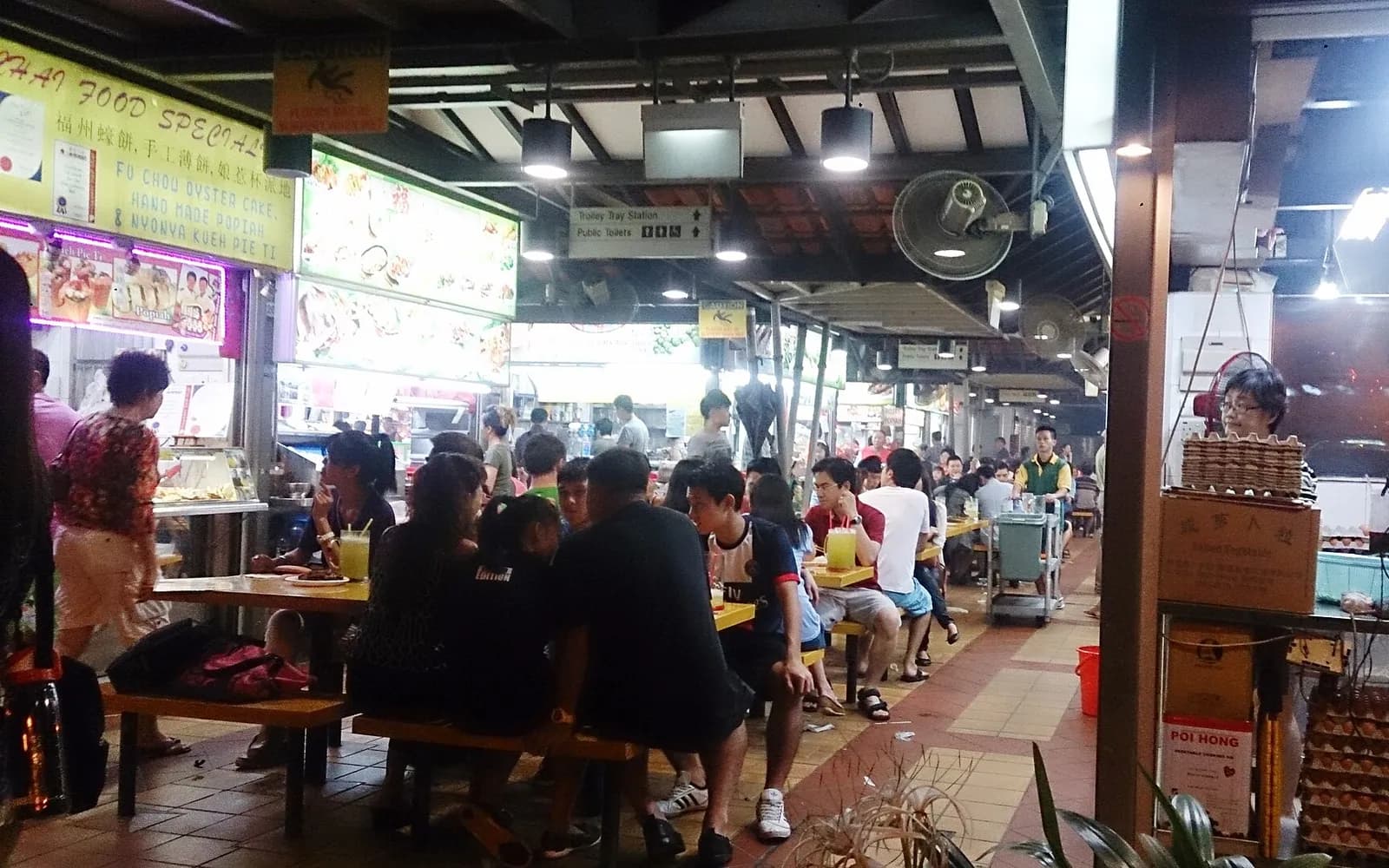
Six small things that make a hawker centre meal easier, from tissue packets and coins to wet wipes and a hand fan.
 Hawker Dishes Explained
· 4 min read
Fried carrot cake has no carrots: it is radish cake fried with egg, either crisp and savoury (white) or sweet and sticky (black).
 Hawker Centres
· 4 min read
A simple explanation of Singapore's hawker centres: what they are, how they work and why so many locals eat at them every day.
 Kaya Toast & Local Breakfast
· 4 min read
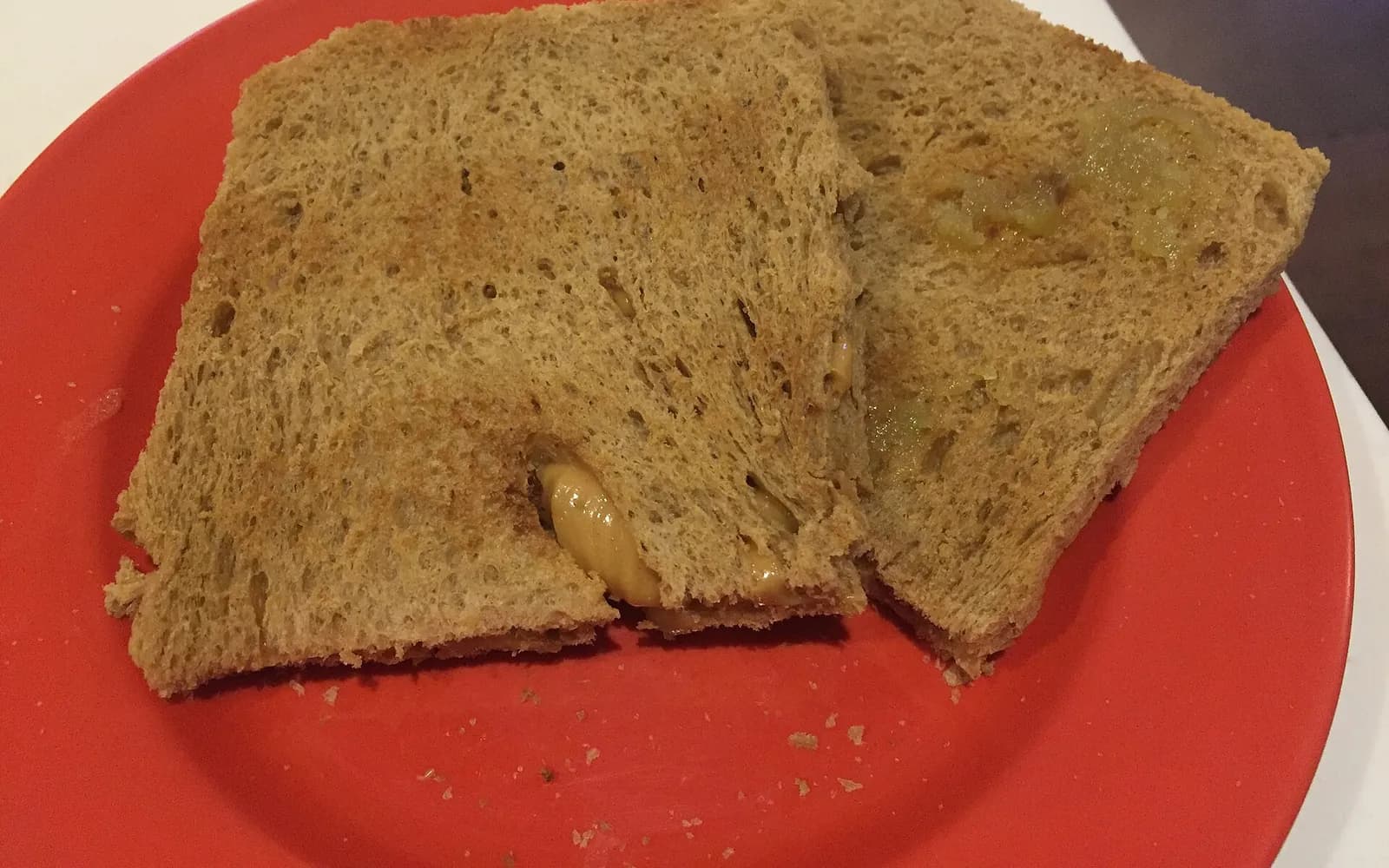
Kaya toast is crisp bread with sweet coconut-egg jam and cold butter, usually eaten with soft-boiled eggs and kopi for breakfast in Singapore.
 Chicken Rice
· 4 min read
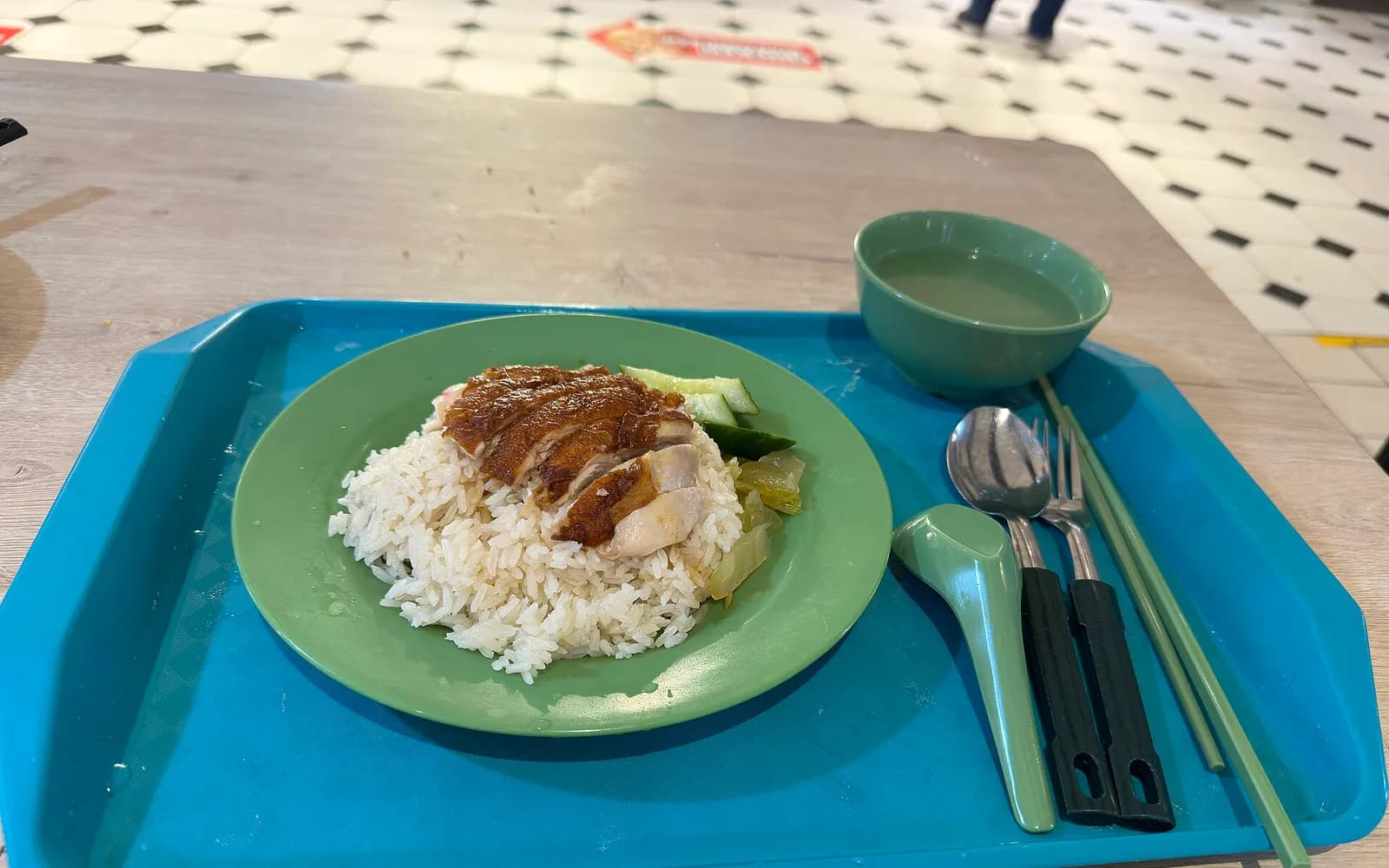
Poached chicken, rice cooked in chicken stock, three sauces and a bowl of soup: here is what you get when you order this Singapore favourite.
 Cheap Eats
· 4 min read
Where the cheap meals are in Singapore and the simple habits that keep your food spending low, without skipping the dishes worth trying.
 Hawker Dishes Explained
· 4 min read
Char kway teow is flat rice noodles and yellow noodles fried with sweet dark soy, egg, cockles and Chinese sausage until smoky and sticky.
 Hawker Centres
· 4 min read
A step-by-step guide to the hawker stall counter: choosing a queue, saying what you want, paying and getting your food to the table.
 Kaya Toast & Local Breakfast
· 4 min read
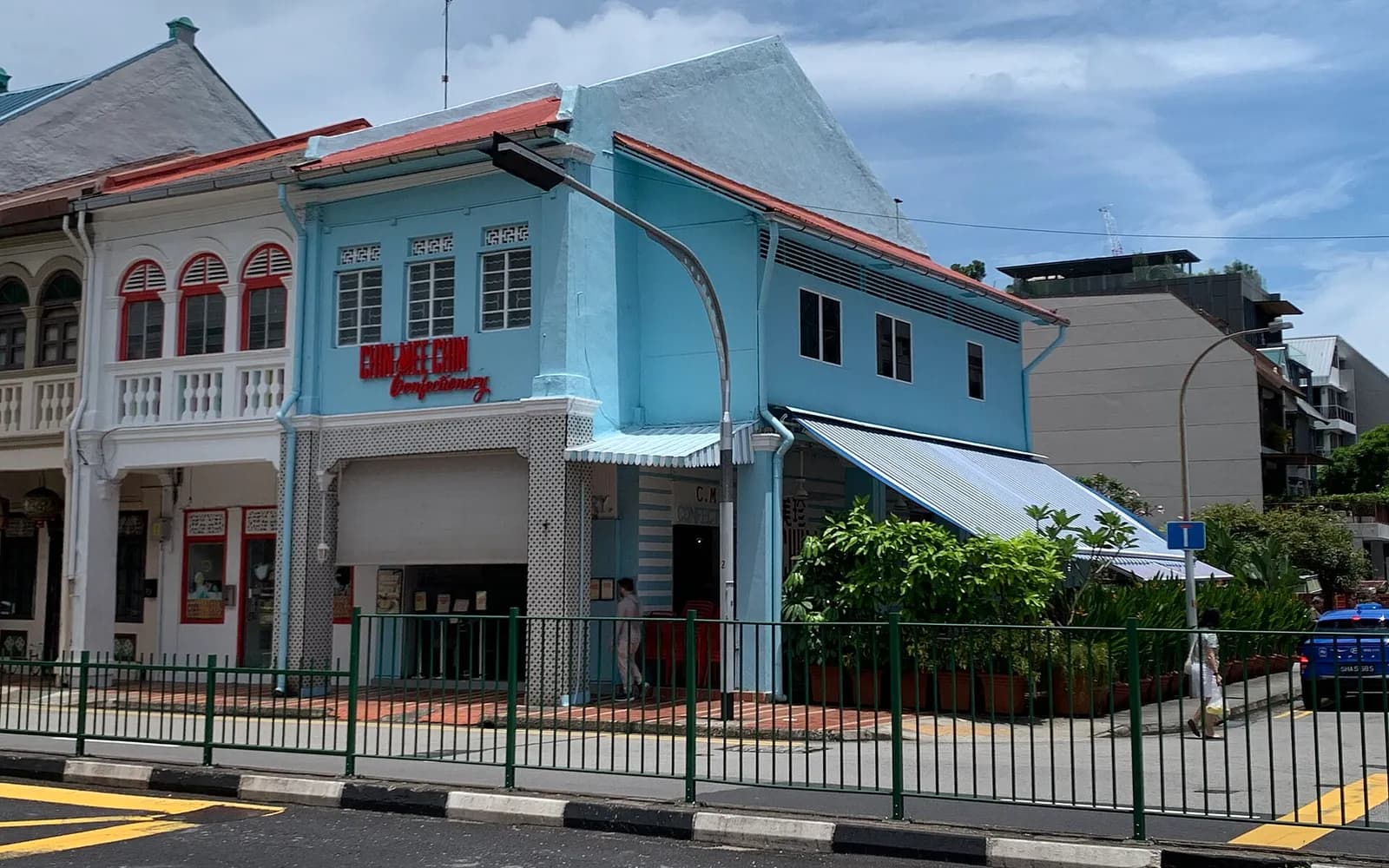
A kopitiam is a local coffee shop with a drinks counter and a few food stalls under one roof. Here is how it works and how it differs from a café.
 Chicken Rice
· 4 min read
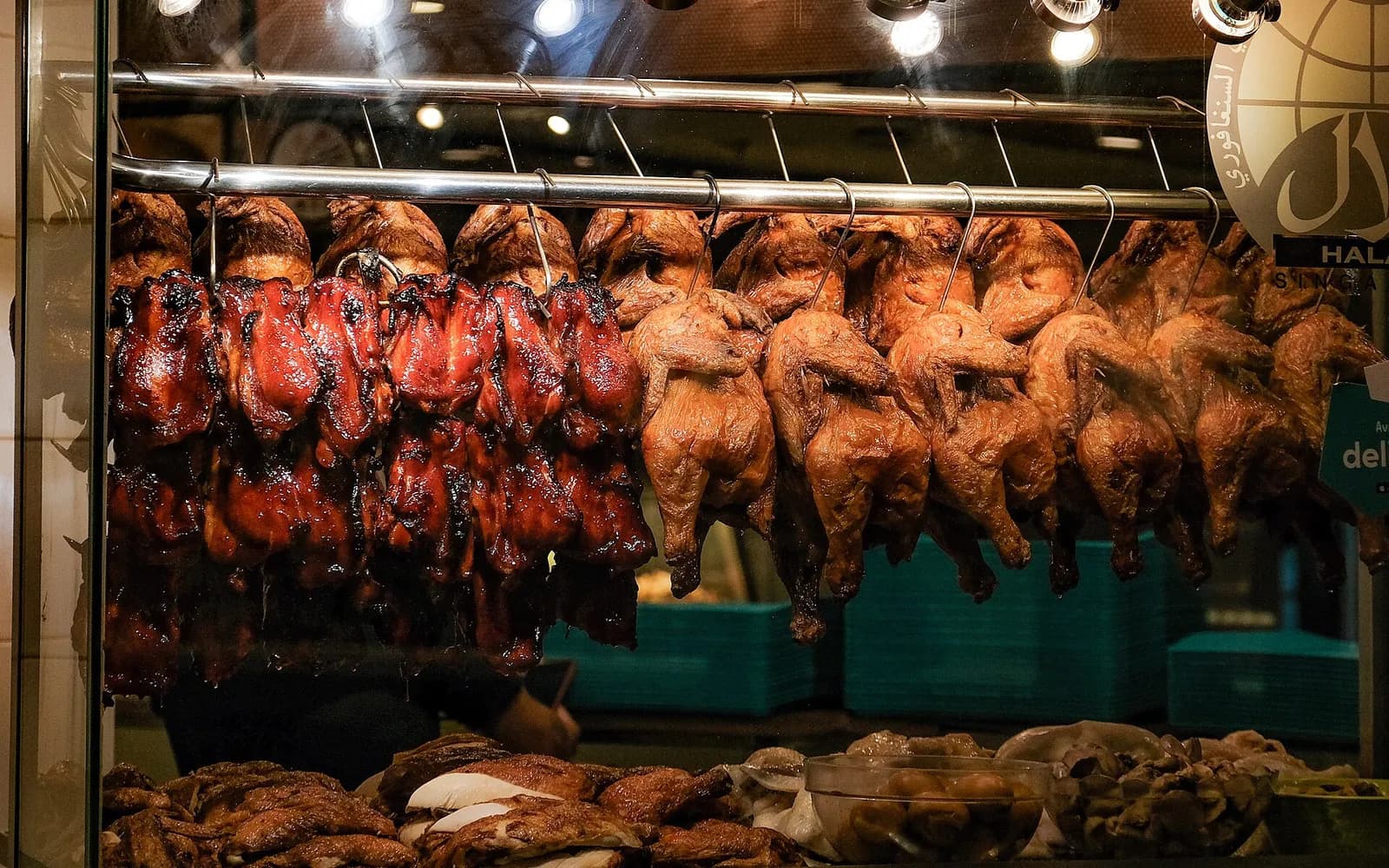
Almost every chicken rice stall offers steamed and roasted chicken, and this guide shows how the two differ and which one to try first.
 Cheap Eats
· 4 min read
A step-by-step guide to ordering at a mixed rice stall, how the price is worked out, and the picks that keep the bill low.
 Hawker Dishes Explained
· 4 min read
Teochew braised duck rice is tender duck in a dark soy and spice gravy, served with rice, porridge or noodles and a sharp vinegar chilli.
 Hawker Centres
· 4 min read
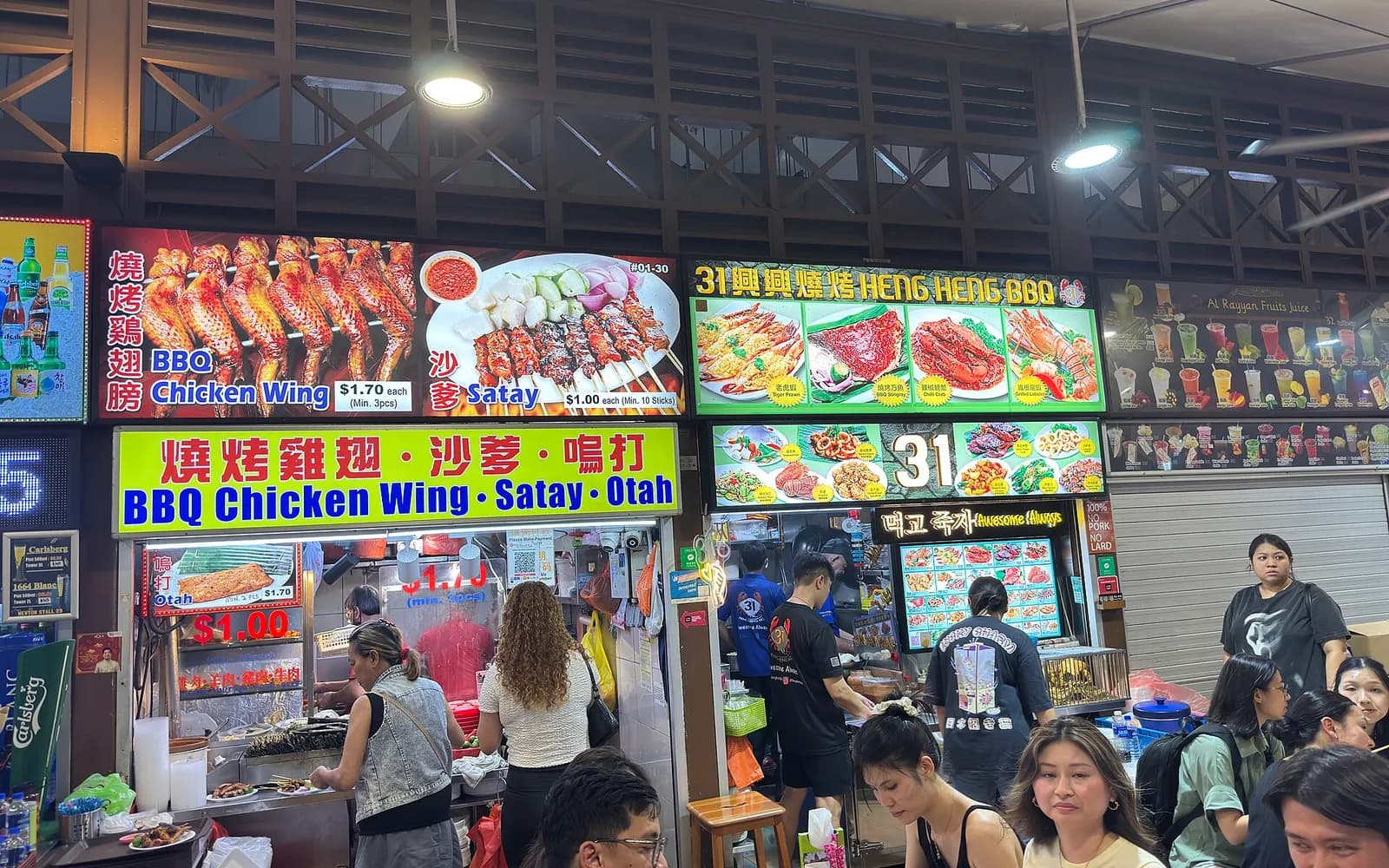
Where peanuts, shellfish, egg and gluten hide in hawker food, and how to ask stalls clearly so you can eat with more confidence.
 Kaya Toast & Local Breakfast
· 4 min read
Kopitiam eggs are cooked gently in hot water until runny, then seasoned with dark soy sauce and white pepper and eaten with kaya toast.
 Chicken Rice
· 4 min read
A simple walk-through of ordering chicken rice at a hawker stall, from the queue and the menu to paying, sauces and finding a table.
 Cheap Eats
· 4 min read
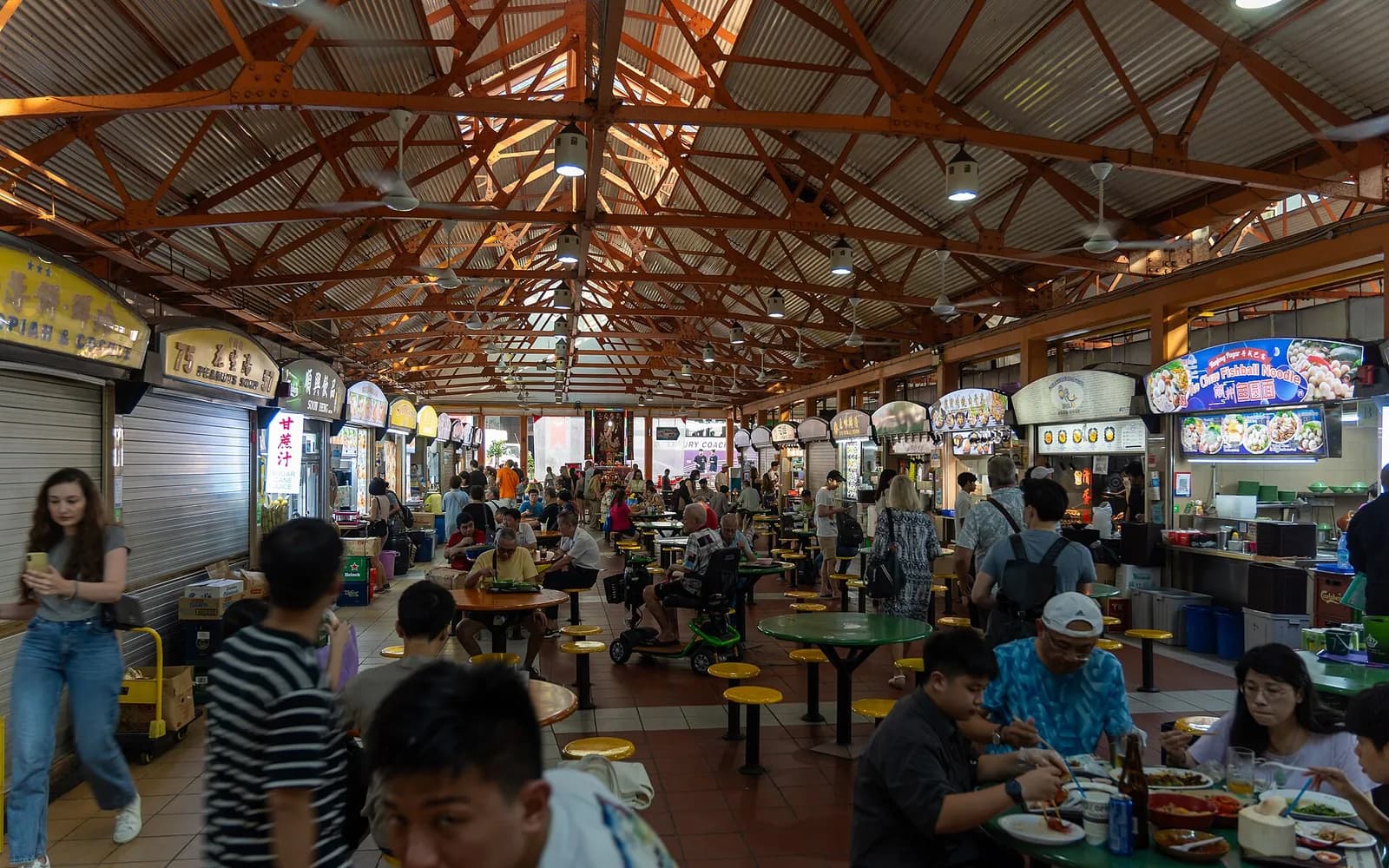
A half-day walking route through Chinatown that links food centres, snack shops and drink stops for an afternoon of budget grazing.
 Hawker Dishes Explained
· 4 min read
Know your mee rebus from your mee soto: a short guide to the Malay dishes you will see at Singapore hawker stalls and what is in each one.
 Hawker Centres
· 4 min read
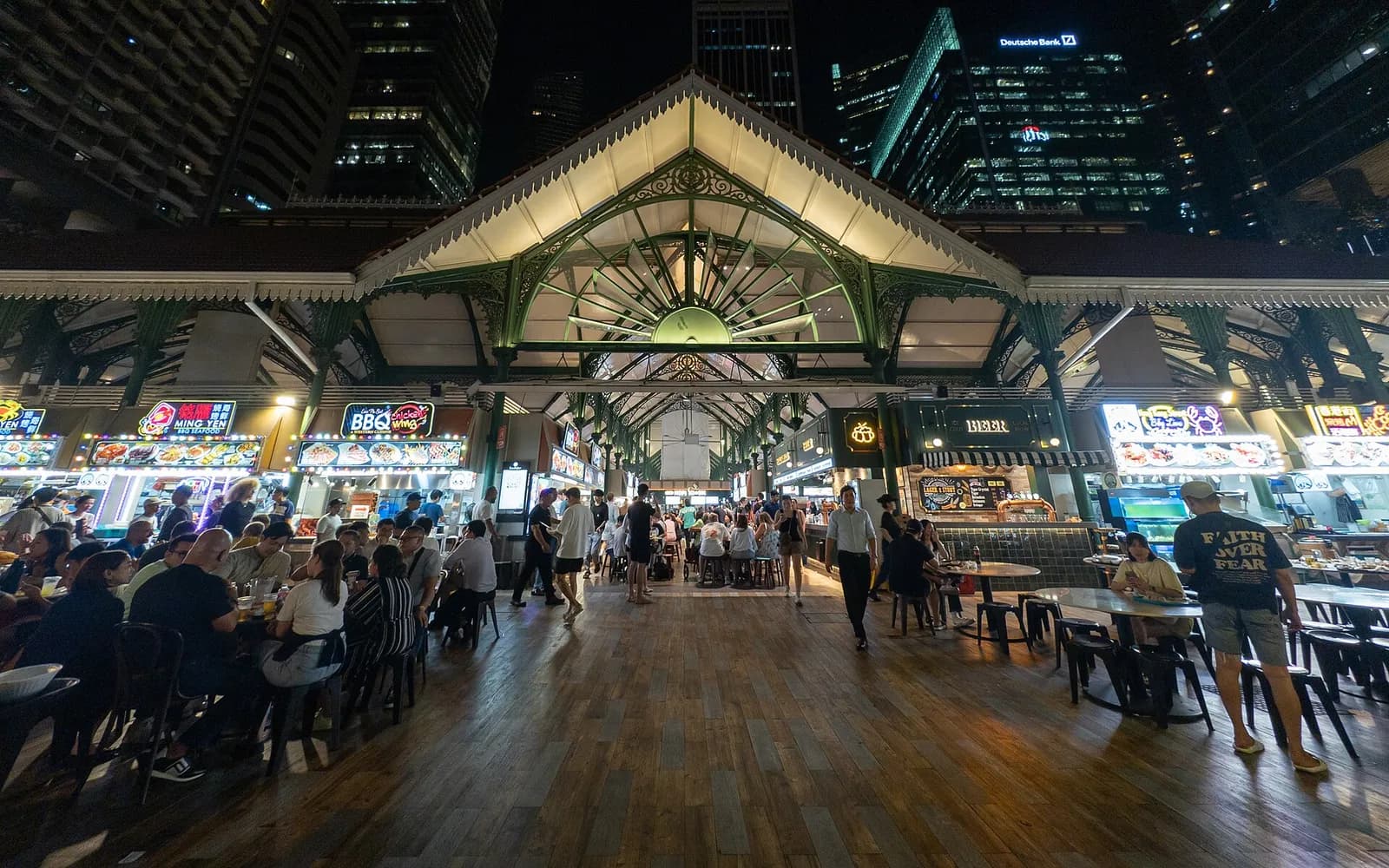
How Singapore's open-sided hawker centres differ from air-conditioned mall food courts, and when each one is the better choice.
 Kaya Toast & Local Breakfast
· 4 min read
Kopi orders follow a simple pattern: drink, milk, sugar, strength, then hot or iced. Learn the words and you can order any cup you like.
 Chicken Rice
· 4 min read
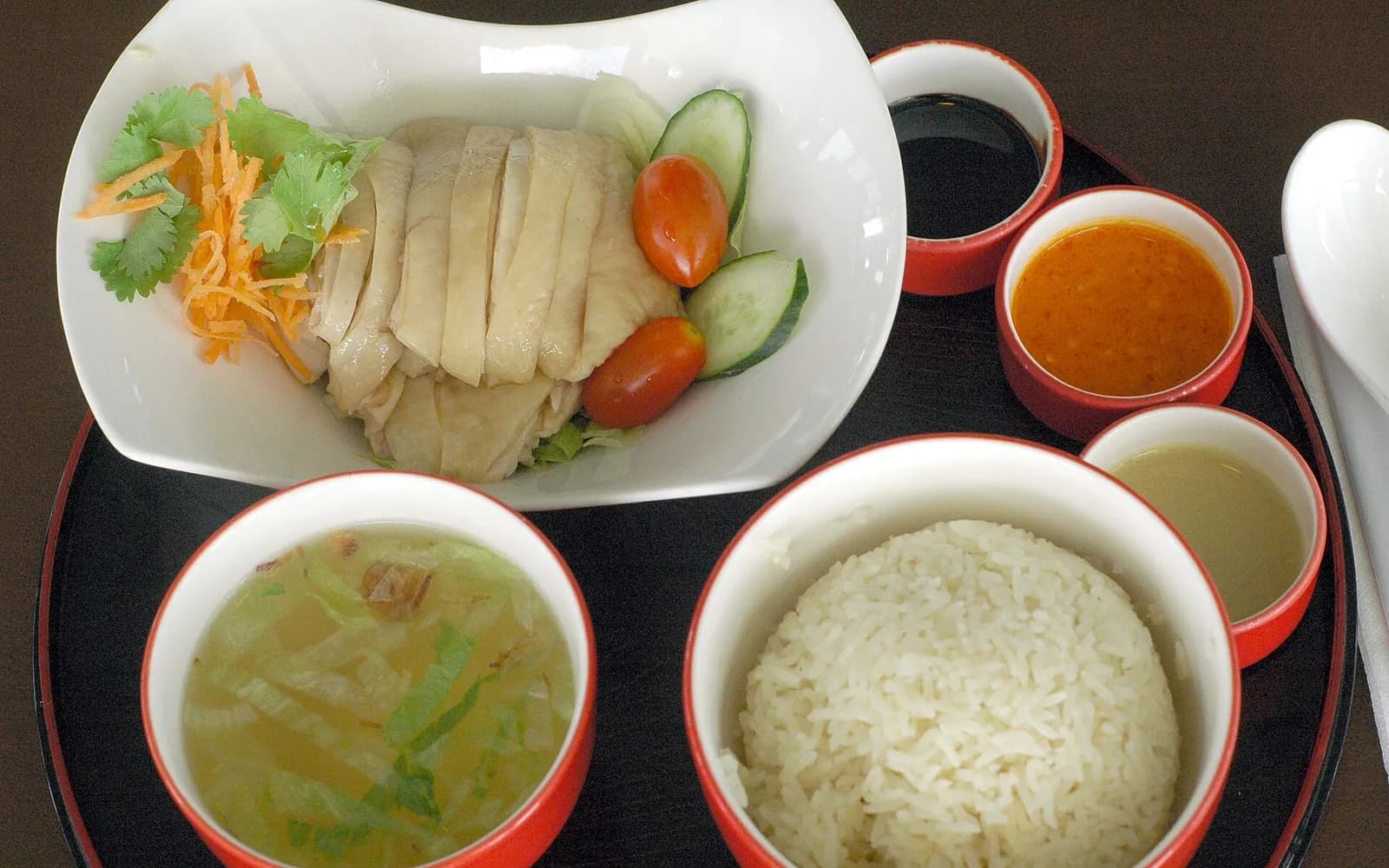
What goes into the chilli, ginger and dark soy sauce served with chicken rice, and how to use each one on your plate.
Our Singapore food blog is written for visitors who want to eat like locals. Food is one of the easiest ways into Singapore's mix of Chinese, Malay, Indian and Peranakan cultures. Many of the best meals are cheap and come from hawker stalls, not restaurants. We explain local words, how to order and where to go.
Our guides are grouped into themes. Some focus on one dish, such as Chicken Rice. Others cover a type of meal, such as breakfast or cheap eats. Pick the theme that matches your question, then follow the links to restaurant pages.
A hawker centre is a large, mostly open-air food centre with many small stalls. Each stall cooks a short menu, often just one or two dishes. You order at the stall, pay, and carry your food to any free table. What Is a Hawker Centre? A Plain Guide for Visitors explains the basics. Hawker culture in Singapore is on UNESCO's list of intangible cultural heritage.
Good first stops include:
Before you go, read Hawker Centre Etiquette in Singapore: 9 Simple Rules. Locals often "chope", or reserve, a seat with a packet of tissues. Leave that seat alone. Return your tray and crockery when you finish, as this is a rule at hawker centres.
Singapore's best-known dishes are easy to find and cheap to try. These make a good first list:
For a longer list, start with Singapore Food Guide: 15 Dishes to Try First.
A local breakfast is cheap and quick. The classic order is kaya toast, two soft-boiled eggs and a cup of kopi. Kaya is a sweet coconut and egg jam. Kopi is local coffee, often made with condensed milk. Learn the coffee terms in How to Order Kopi in Singapore Without Getting Lost.
Chains such as Ya Kun Kaya Toast (Far East Square) and Killiney Kopitiam serve this set at many branches. For a modern café, Tiong Bahru Bakery is a popular stop. For sweet treats, browse Dessert shops.
Singapore can be cheap or expensive, depending on where you eat. As a rough guide, a hawker meal often costs S$4 to S$8. A main course at a mid-range restaurant may cost S$20 to S$40. Prices change, so treat these as estimates. Restaurants usually add a 10% service charge plus GST, the goods and services tax. Hawker stalls do not.
To keep costs low, read How to Eat Cheaply in Singapore Without Missing Out. For a special meal, browse Fine Dining or try Peranakan cooking at Candlenut. Peranakan food blends Chinese and Malay styles.
Muslim visitors should look for the MUIS halal certificate at the stall or restaurant. MUIS is the Islamic Religious Council of Singapore. Vegetarians will find many options in Little India, including South Indian restaurants such as Komala Vilas. If you have allergies, read Eating at Hawker Centres With Food Allergies.
Yes. Hawker stalls are licensed and inspected, and locals eat at them every day. If you are unsure, choose a busy stall with a steady flow of customers.
Tipping is not expected. Many restaurants already add a service charge to the bill. At hawker centres, you simply pay the price shown.
Hainanese chicken rice is a good first choice. It is mild, cheap and found almost everywhere. Laksa and chilli crab are good next steps if you like spice.
Many stalls accept QR code or card payments, but not all. Carry some small notes and coins as a backup.
Yes, tap water in Singapore is safe to drink. Many cafés and restaurants will give you water if you ask, though some charge a small fee.