

What is char kway teow? It is a plate of flat rice noodles and yellow noodles, fried in a very hot wok with sweet dark soy sauce, egg, cockles and Chinese sausage. The result is smoky, sweet, salty and a little sticky.
You will find it at hawker centres all over Singapore. This guide explains what goes into it, how it tastes and how to order it your way. For more local dishes, see our Hawker Dishes Explained section.
What goes into char kway teow
The name comes from Chinese dialect words. “Char” means stir-fried, and “kway teow” means flat rice noodles. Each plate is cooked to order, one or two portions at a time.
The noodles
Most Singapore stalls mix two kinds of noodles. Flat, white rice noodles give a soft, slippery bite. Yellow wheat noodles add chew. That is why some stalls, such as Outram Park Fried Kway Teow Mee, put both noodles in their name.
The other ingredients
- Sweet dark soy sauce: thick, almost like syrup. It gives the dish its dark colour and sweet taste.
- Lard: pork fat for frying, and sometimes crispy bits of pork lard on top.
- Cockles: small clams, added near the end so they stay soft.
- Chinese sausage: thin slices of sweet, dried pork sausage.
- Fish cake: thin slices, at many stalls.
- Egg: cracked into the wok and stirred through the noodles.
- Bean sprouts and Chinese chives: for crunch and a fresh taste.
- Garlic and chilli paste: garlic always, chilli if you want it.
How char kway teow tastes
The first taste is sweet, from the dark soy. Then comes salt, garlic and the rich taste of lard. A good plate also has “wok hei”, which means “breath of the wok”. It is a smoky taste that comes from frying over a very high flame.
The texture is soft and slightly sticky, with crunch from the bean sprouts. It is rich and filling, so one plate is a full meal for most people.
Singapore's version is usually darker and sweeter than the Penang style from Malaysia. That one is lighter and often comes with prawns.
How to order char kway teow your way
Ordering is simple, and English is widely understood at hawker stalls. Tell the cook the size first, then any changes.
Choose a size
Many stalls offer small, medium and large plates. A small plate is usually enough for one person. Hawker prices are low, often around S$4 to S$7 a plate, but prices change, so check the menu board.
With or without cockles
Cockles are part of the classic dish, but not everyone likes them. Say “no cockles” to skip them. If you love them, some stalls will add extra for a small charge.
With or without chilli
The cook will often ask “chilli or not?” when you order. Say “no chilli” for a mild plate, or “less chilli” for just a little heat.
Other changes you can ask for
- Only flat rice noodles, or only yellow noodles.
- An extra egg.
- Takeaway, which locals call “da bao”.
Dietary notes before you order
The classic recipe uses lard and Chinese sausage. It is not suitable if you avoid pork or eat a vegetarian diet. Cockles are shellfish, so skip them if you have an allergy and tell the cook clearly.
Every plate is fried in the same wok, so traces of shellfish or egg may remain. Our guide to eating at hawker centres with food allergies has more advice.
Where to eat char kway teow in Singapore
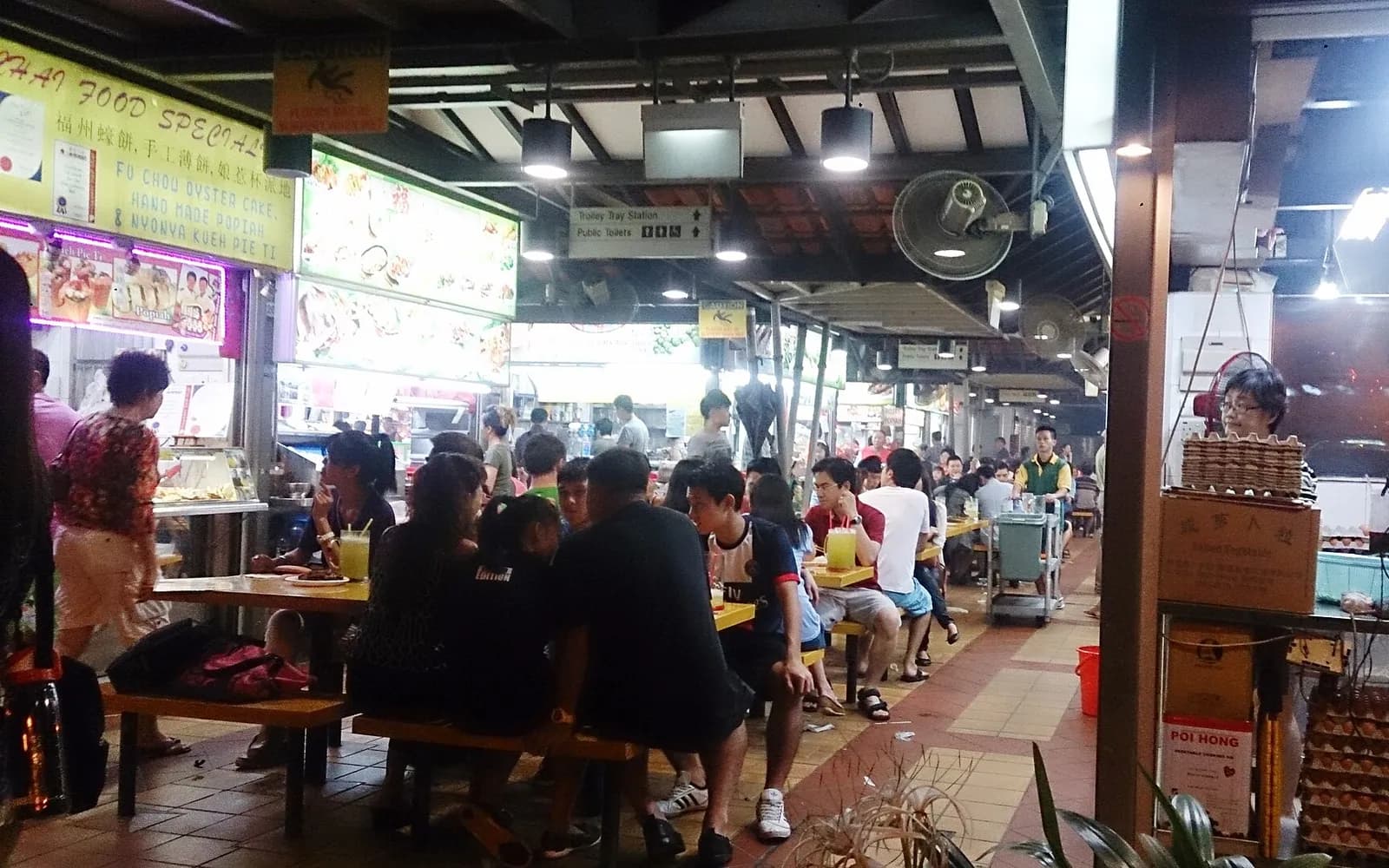
Most large hawker centres have at least one char kway teow stall. Look for a cook standing over a big wok, with a short queue at lunch.
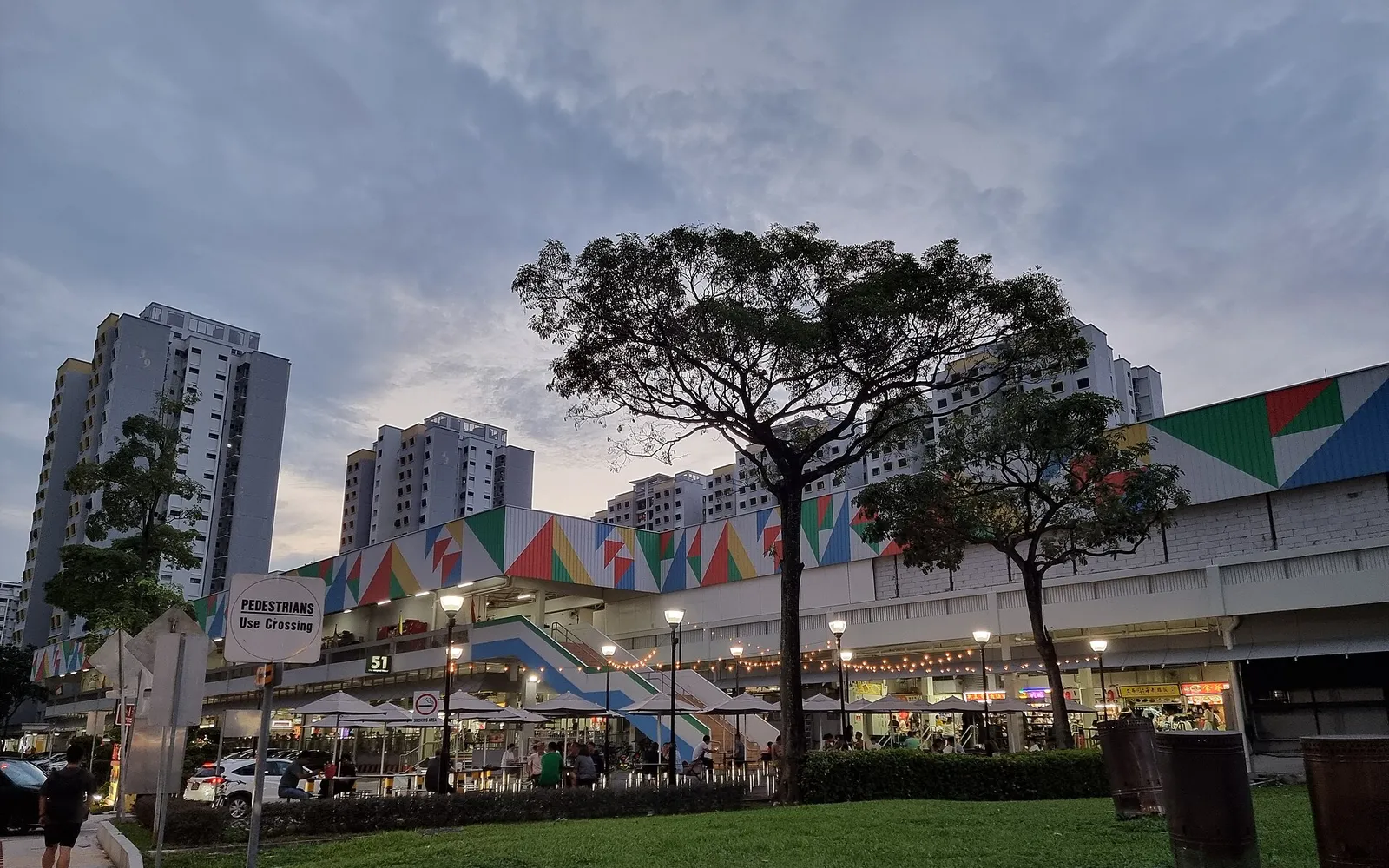
- Hill Street Fried Kway Teow, a stall in the Bedok area that focuses on this dish.
- Outram Park Fried Kway Teow Mee, in the city centre, which mixes both kinds of noodles.
- Old Airport Road Food Centre, a large hawker centre with many noodle stalls.
See more places on our char kway teow restaurant list. If you like the sweet dark soy taste, try black carrot cake next, as it uses the same kind of sauce. New to hawker centres? Read our hawker centre etiquette rules before you go.
FAQs about char kway teow
Is char kway teow spicy?
Only if you ask for chilli. Without it, the dish is sweet and savoury, not hot.
Does char kway teow contain pork?
The classic version does. It is fried in lard and comes with Chinese sausage, which is made from pork.
Is char kway teow the same as Hokkien mee?
No. Hokkien mee is fried with prawn stock and is pale, not dark. Char kway teow uses sweet dark soy sauce, so it is darker and sweeter.
What does kway teow mean?
Kway teow means flat rice noodles. Char means stir-fried, so the name simply means stir-fried flat rice noodles.
When do locals eat char kway teow?
At any time of day. It is a popular lunch, and some stalls stay open into the evening.