
 Chinese New Year
· 3 min read
What's Open During Chinese New Year in Singapore?
Which hawker stalls, shops, attractions and restaurants stay open over the Chinese New Year holidays.
Photo: Sgconlaw, CC BY-SA 4.0, cropped
Blog
Plan your trip around Singapore's festivals, holidays and big events.
Singapore festivals follow several calendars, so most dates move from year to year. This page gathers our festival and event topics in one place. Pick a topic such as Chinese New Year, Deepavali or National Day to learn what happens, where to go and how it may affect your trip.
Not sure what is on during your dates? Start with the Events Calendar.
Showing 1–1 of 1 guides
Chinese New Year· 3 min read
Which hawker stalls, shops, attractions and restaurants stay open over the Chinese New Year holidays.
Singapore festivals reflect the many cultures that live side by side here. Chinese, Malay, Indian and other communities each mark their own holidays. Visitors are welcome at most celebrations, and street light-ups and markets are often free to see.
The main festivals follow lunar or religious calendars, so the dates change every year. Check the official dates before you book flights or hotels. The Ministry of Manpower publishes the list of Singapore public holidays each year.
Chinese New Year, also called Lunar New Year, is the biggest holiday of the year. In the weeks before, Chinatown is hung with lanterns and hosts a festive street market. People give red packets of money, called hongbao or ang bao, and share mandarin oranges. Many restaurants serve yusheng, a raw fish salad that diners toss together for good luck.
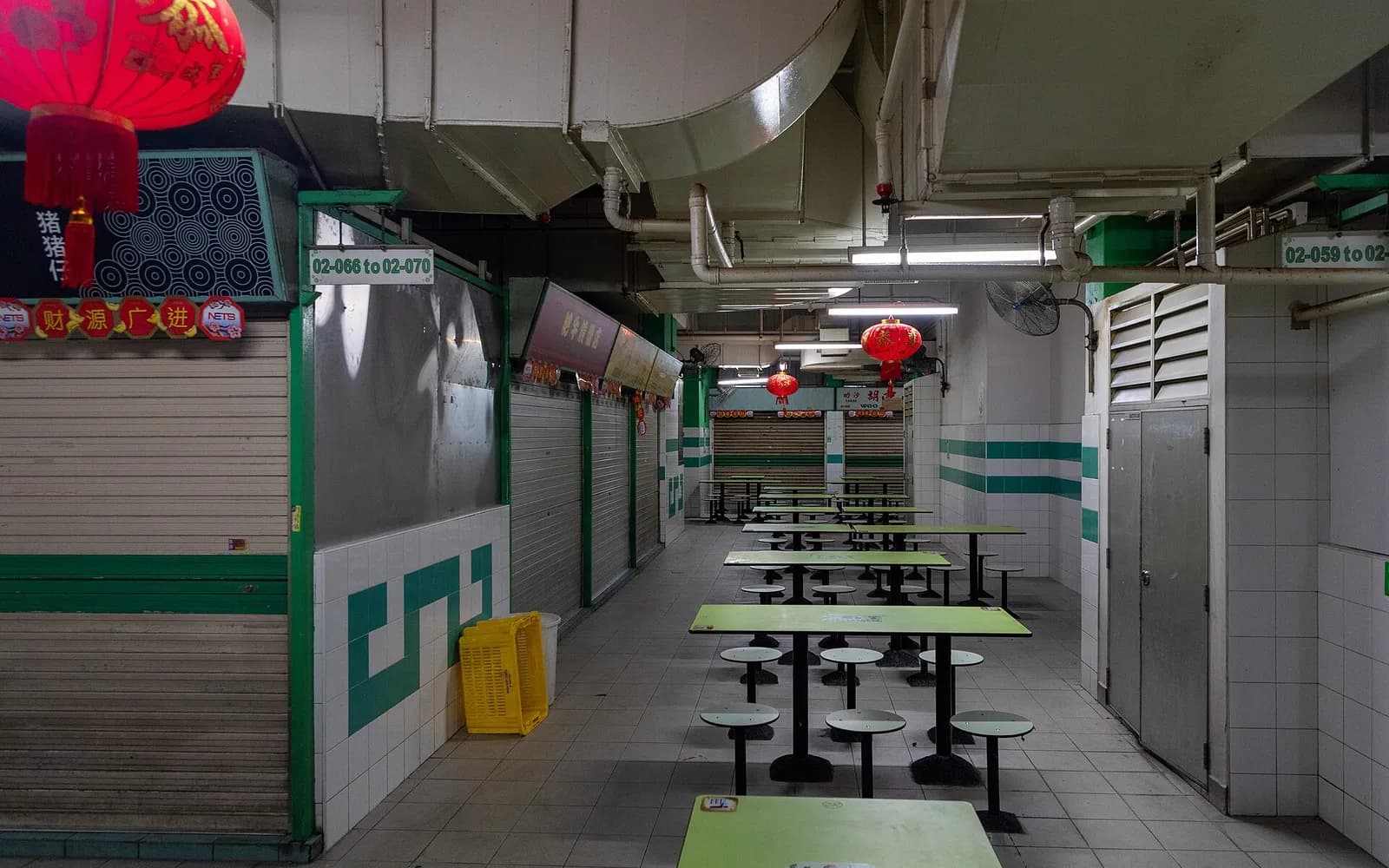
Some hawker stalls and small shops close for a few days at the start of the new year. Read What's Open During Chinese New Year in Singapore? before you plan your meals. Chingay, a large street parade, usually takes place soon after the new year.
Hari Raya Puasa marks the end of Ramadan, the Muslim fasting month. During Ramadan, Geylang Serai, home to Geylang Serai Market, hosts a large evening bazaar with lights and food stalls. Kampong Glam, around Sultan Mosque, is also busy in the evenings. Hari Raya Haji comes about two months after Hari Raya Puasa. Both dates move earlier by around 11 days each year.
Deepavali is the Hindu festival of lights. In the weeks before, Little India puts up street lights along Serangoon Road. Stalls sell flowers, sweets, clothes and small oil lamps. Temples such as Sri Veeramakaliamman Temple are busy with worshippers, so visit quietly and dress modestly. Little India Temple Etiquette: What Visitors Should Know explains what to expect.
Orchard Road is lit up for Christmas from around November, and many malls set up large displays. Christmas Day is a public holiday. Churches such as St Andrew's Cathedral hold services, and the city centre stays busy all season.
National Day celebrates Singapore's independence. The National Day Parade includes flypasts and fireworks. The parade venue can change, so check the official details. Many visitors watch the fireworks from public spaces around Marina Bay, which gets very crowded. Weekend rehearsals in the weeks before often show some of the same displays.
The Singapore Grand Prix is a Formula 1 night race on streets around Marina Bay. You need a ticket to enter the circuit area. Roads around Marina Bay and the Padang, a large field in the civic district, close for several days. Hotel rates nearby often rise that week, so book early or stay a few stops away on the MRT, the city's metro.
Stay close to the area you most want to see. For Chinese New Year, Chinatown hotels let you walk to the light-up and the street market. Browse hotels in Chinatown & Tanjong Pagar. For Deepavali, try hotels in Little India & Jalan Besar. For National Day fireworks and the Grand Prix, hotels in Marina Bay & CBD put you close to the action. Expect higher rates on those dates.
Planning a short trip around one event? The Perfect 3-Day Singapore Itinerary leaves room for festival evenings.
It falls in late January or February, on the first day of the lunar calendar. The first two days are public holidays. Chinatown decorations go up several weeks earlier.
Yes. Light-ups, street markets and bazaars are open to all. At temples and mosques, dress modestly, remove your shoes where asked and stay quiet during prayers.
Most malls, attractions and chain restaurants stay open. Some family-run stalls close for a few days, mainly at Chinese New Year. Check opening details before you travel.
Dates change each year. Check the official public holiday list from the Ministry of Manpower and the event pages on Visit Singapore.