

 Chinese New Year
· 3 min read
What's Open During Chinese New Year in Singapore?
Which hawker stalls, shops, attractions and restaurants stay open over the Chinese New Year holidays.

Photo: Aaaatu, CC BY-SA 4.0, cropped
Festivals & Events
Lanterns, lion dances and reunion feasts: how to experience Chinese New Year in Singapore.
Chinese New Year is the biggest festival on the Singapore calendar. This page is your guide to Chinese New Year in Singapore, from the Chinatown light-up and street bazaar to reunion dinners and holiday opening times. Start with the list of articles, then read the planning notes further down.
Plan it with EatStays: Restaurants in Chinatown & Tanjong Pagar and Chinese & Dim Sum.
Showing 1–1 of 1 guides
Chinese New Year· 3 min read
Which hawker stalls, shops, attractions and restaurants stay open over the Chinese New Year holidays.
Chinese New Year in Singapore, also called Lunar New Year, is the city's largest festival. The date follows the lunar calendar, so it moves each year. The first two days are public holidays. Traditional celebrations last 15 days, and the build-up starts weeks before.
For visitors, it is a lively time to come. Streets are decorated in red and gold. Lion dance troupes perform at malls and offices, and shops sell festive snacks. It is also a time when many locals rest at home with family, so some shops and stalls close.
Chinatown is the centre of the action. Lanterns and large figures of the year's zodiac animal light up the main roads for several weeks. The festive street bazaar fills the side streets with stalls selling decorations, snacks and gifts. It is busiest in the evenings and on weekends, and packed in the final days before the new year. Take the MRT to Chinatown station rather than a taxi, as nearby roads get slow.
While you are there, visit the Buddha Tooth Relic Temple or Thian Hock Keng Temple. Temples are busy with worshippers at this time, so move quietly and dress modestly. The Chinatown Heritage Walk explains the history behind the old shophouses.
River Hongbao is a festival of giant lanterns, stage shows and food stalls. Its venue has moved over the years, so check the official listing before you go. Chingay is a night street parade with floats, dancers and performers from many communities. It takes place during the new year period, and grandstand seats usually need tickets.
Food is at the heart of the festival. On the eve of the new year, families gather for a reunion dinner. In the days that follow, people visit relatives and share snacks.
Red packets, called hongbao or ang pow, hold gifts of money. Married adults give them to children and unmarried relatives. If you are invited to a home, wear bright colours and bring two mandarin oranges. Avoid all-black or all-white outfits, which are linked with mourning. A simple greeting is gong xi fa cai, which wishes you wealth and success.
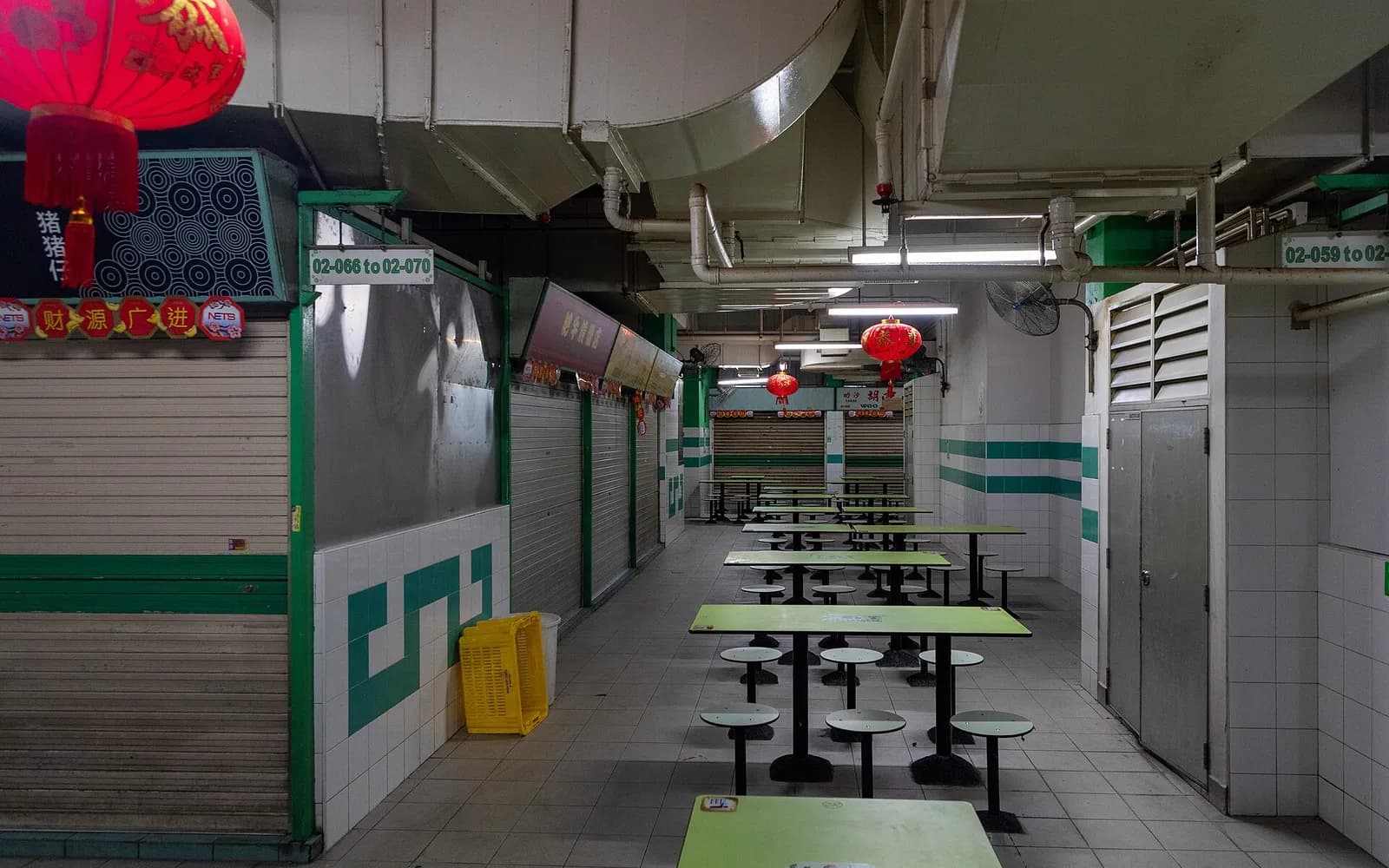
Many hawker stalls and family-run shops close for a few days, and some close for a week or more. Malls, hotels, big attractions and chain restaurants usually stay open. Some keep shorter hours on the first two days. Our guide What's Open During Chinese New Year in Singapore? covers this in more detail. Some eateries add a small holiday surcharge, so check the menu before you order.
Reunion dinner on the eve is the hardest meal to book. Popular Chinese restaurants take bookings weeks ahead and often offer set menus only. Browse Cantonese restaurants such as Summer Pavilion in Marina Bay. For a lighter style of Chinese cooking, try Teochew restaurants. Hotels can also be busy, as the holiday is a peak time for travel across Asia. Book early if you want to stay near the action, using our list of hotels in Chinatown & Tanjong Pagar.
It follows the lunar calendar, so the date changes each year. It always falls between 21 January and 20 February. The first two days are public holidays.
Chinatown is at its busiest in the weeks before. On the first two days of the new year, many shops and stalls there close. Temples, hotels and some restaurants stay open.
Yes. The light-ups, bazaars, lion dances and parades are open to everyone. Many restaurants also welcome visitors for festive meals, including a yusheng toss.
It is a fun time to see local customs up close. Plan around the closures, book hotels early and expect crowds in Chinatown.