

Google rating 4.2 out of 5
Singaporean
Outram Park Fried Kway Teow Mee
Char kway teow in Marina Bay & CBD, rated 4.2 on Google.
Marina Bay & CBD
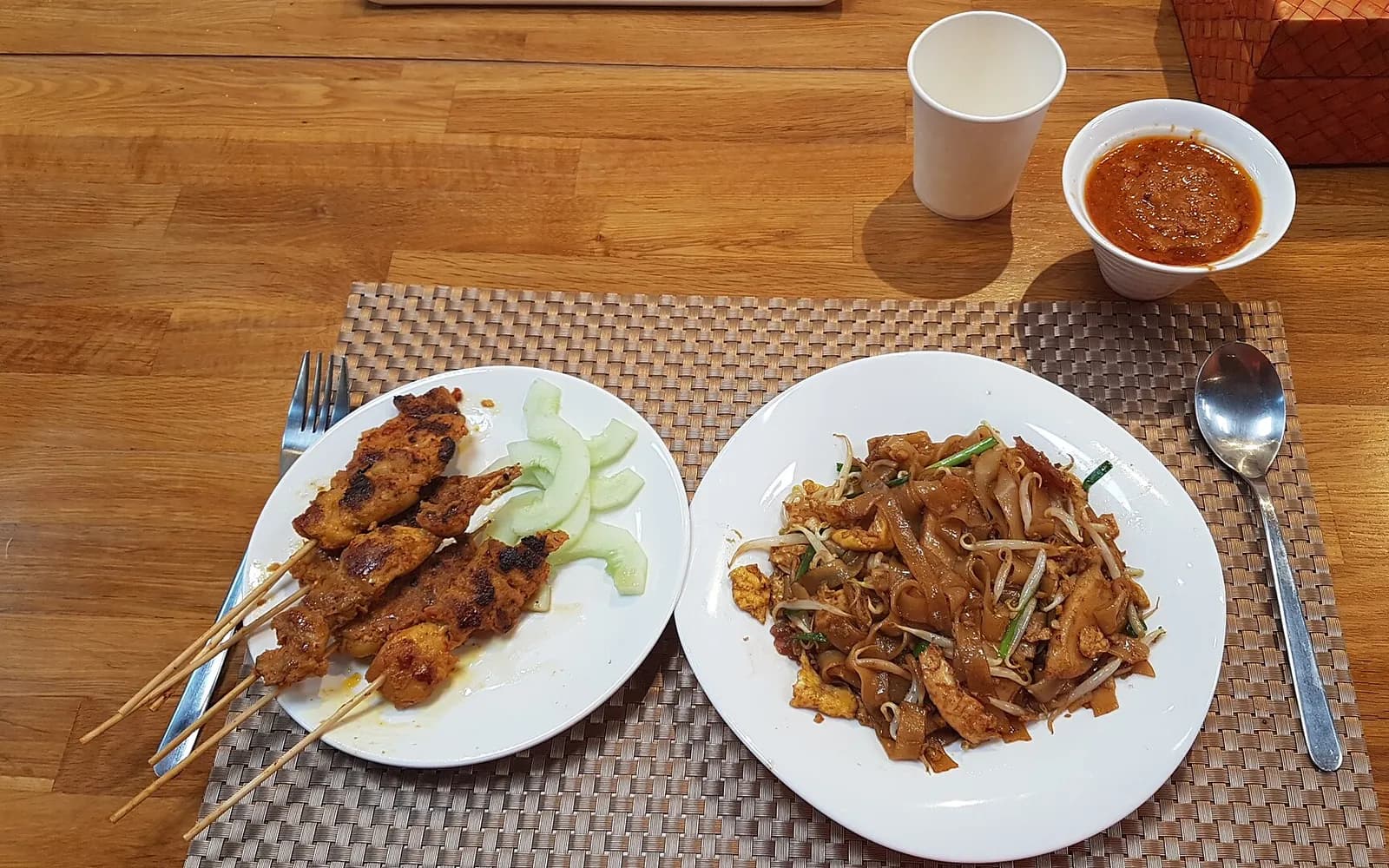
Photo: Orderinchaos, CC BY-SA 4.0, cropped
Must-try dishes
There are 2 places on this page, all rated 4.0 or higher on Google, with an average of 4.2.
This page lists the best places for char kway teow in Singapore, all rated 4.0 or higher on Google. Char kway teow is flat rice noodles fried in a very hot wok with dark soy sauce, egg and toppings. Open a stall below to see its address and directions.
New to the dish? Read What Is Char Kway Teow? Singapore's Fried Flat Noodles before you go.
Showing 1–2 of 2 restaurants
Char kway teow in Marina Bay & CBD, rated 4.2 on Google.
Marina Bay & CBD
Char kway teow in East Coast & Bedok, rated 4.1 on Google.
East Coast & Bedok
Char kway teow in Singapore is a plate of flat rice noodles fried with dark soy sauce, egg and other toppings. The name means "fried flat noodles" in Hokkien, a Chinese dialect. It is sweet, smoky and filling. You will find it at hawker centres across the island, usually for just a few dollars.
Cooks fry everything together over high heat. A typical plate includes:
Many stalls also fry the noodles in pork lard, which adds flavour and crispy bits. The Singapore version is usually darker and sweeter than the Penang style from Malaysia.
Locals often judge char kway teow by its wok hei. This Cantonese term means "breath of the wok". It is the smoky taste that comes from cooking fast over a fierce flame. Good wok hei is the mark of a skilled cook.
A plate usually costs around S$4 to S$7. Prices change, so check the board at the stall. Char kway teow usually contains pork, so ask the stall if you avoid pork.
Popular stalls often have queues at lunch, and some close once they sell out. Many hawkers also take one day off each week. Go early in the day for the best chance of a short wait.
Other hawker centres in these areas include Hong Lim Market & Food Centre and Bedok 85 Fengshan Food Centre. For more local dishes, browse our Hawker Favourites.
Read How to Order at Hawker Stalls in Singapore for a step-by-step guide.
It means "fried flat noodles" in Hokkien. Char means fried, and kway teow is the name of the flat rice noodles.
It is mostly sweet and smoky. Many stalls add a little chilli, but you can ask for none.
Usually, yes. Most stalls use Chinese sausage and pork lard. Ask the stall if you avoid pork.
A plate at a hawker stall usually costs around S$4 to S$7. Larger plates cost a little more. Prices change over time.
Not quite. The Singapore style is darker and sweeter. The Penang style from Malaysia is drier and often comes with prawns.