


Google rating 4.2 out of 5
Peranakan
Sungei Road Laksa
Laksa in Little India & Jalan Besar, rated 4.2 on Google.
Little India & Jalan Besar

Photo: ProjectManhattan ., CC0, cropped
Must-try dishes
There are 3 places on this page, all rated 4.0 or higher on Google, with an average of 4.1.
This page lists the best places for laksa in Singapore, from hawker stalls to small shops in Katong. Laksa is a bowl of rice noodles in a spicy coconut curry soup. Every place below is rated 4.0 or higher on Google.
Tap a name to see its address and directions. New to hawker food? Read How to Order at Hawker Stalls in Singapore before you go.
Showing 1–3 of 3 restaurants
Laksa in Little India & Jalan Besar, rated 4.2 on Google.
Little India & Jalan Besar

Laksa in Tiong Bahru & Alexandra, rated 4.1 on Google.
Tiong Bahru & Alexandra
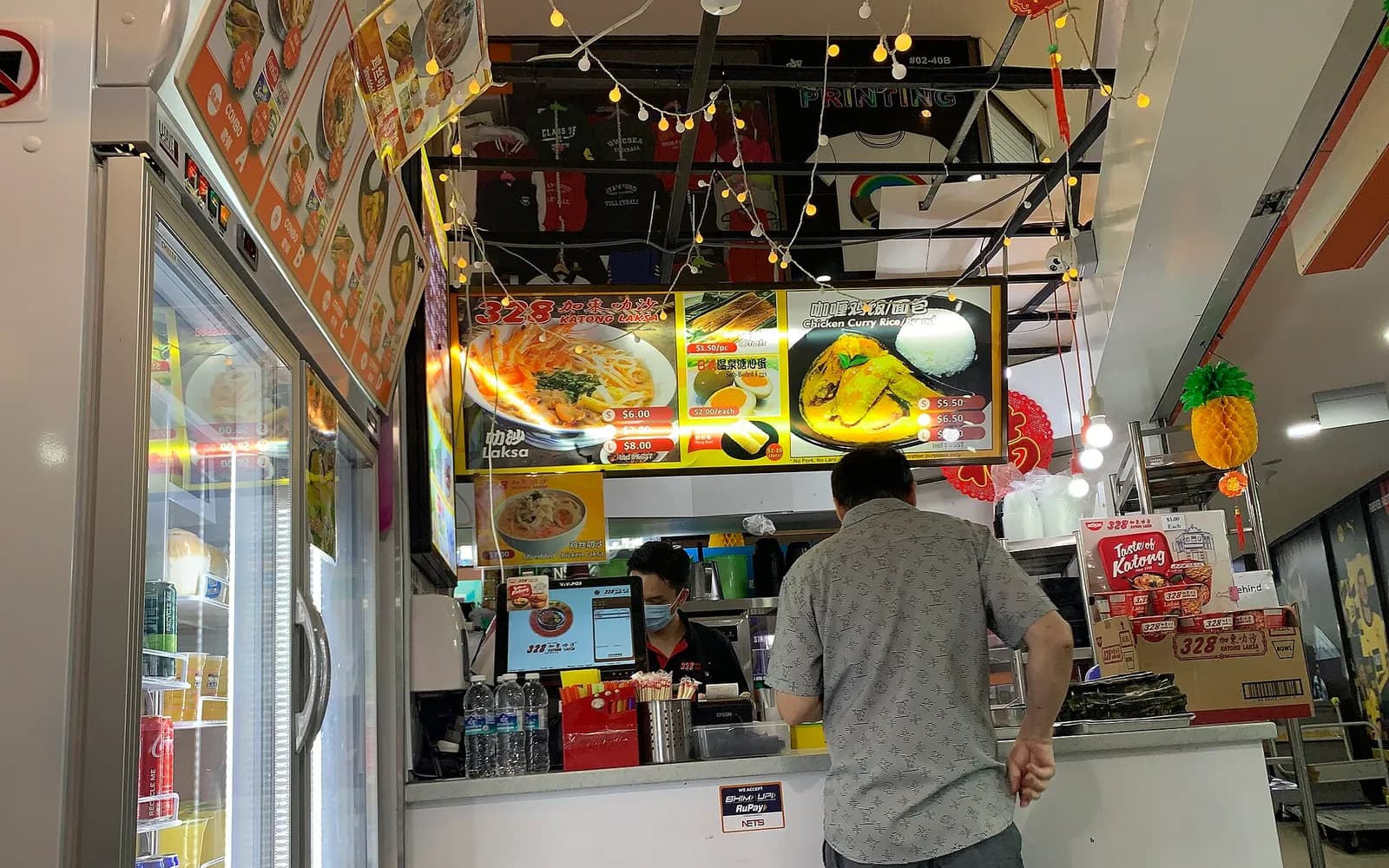
Laksa is one of the best-loved hawker dishes on the island. This guide explains what goes into laksa in Singapore, how to order it and where to find a good bowl. The version most people eat here is curry laksa. It is thick rice noodles in a rich soup made with coconut milk, chilli and dried shrimp.
The dish has strong links to Peranakan cooking. The Peranakans are descendants of Chinese traders and settlers who made their homes in this region centuries ago. Their food blends Chinese ingredients with Malay spices. You can learn more at the Peranakan Museum or browse our Peranakan restaurant list.
A standard bowl includes these parts:
Katong laksa is a well-known style named after the Katong area in the east. The noodles are cut short, so you can eat the whole bowl with a spoon. You do not need chopsticks. 328 Katong Laksa is in the Katong and Joo Chiat area. You can also try Janggut Laksa in the Tiong Bahru and Alexandra area.
You may also see asam laksa on some menus. It comes from Penang in Malaysia. Its soup is sour and spicy, made with fish and tamarind, and it has no coconut milk. Curry noodles are another close cousin. See our Curry Noodles page if you like the curry taste but want a different bowl.
Laksa is sold at many hawker centres across the island. Still, a few areas stand out for visitors.
This is the home of Katong laksa. It is also a pleasant area to walk, with rows of colourful shophouses. Pair a bowl with a stroll past the Koon Seng Road Shophouses. Browse more places to eat in Katong & Joo Chiat.
Sungei Road Laksa is a hawker stall in this area. It serves Peranakan-style laksa. You can combine a bowl with a walk around Little India.
If you want laksa plus other dishes, go to a large hawker centre. Most have plenty of choice, and you can share several plates. See our Hawker Favourites list for ideas.
A bowl at a hawker stall usually costs around S$4 to S$8. Prices change, so check the menu board before you order.
If you have a shellfish allergy, take care. The soup is usually made with dried shrimp, even if you skip the prawns and cockles. Read Eating at Hawker Centres With Food Allergies for more advice.
Most bowls are medium spicy. The coconut milk softens the heat. You can ask for less sambal, or leave it out.
Some laksa stalls are halal-certified, but many are not. If you need halal food, look for the MUIS halal certificate at the stall before you order.
Katong laksa is a type of curry laksa. Its noodles are cut short so you can eat it with only a spoon. The soup is usually thick and rich.
Locals eat laksa at breakfast, lunch or dinner. Popular stalls can have queues at lunch, so go a little earlier or later. Some stalls close once they sell out.
Both countries have their own kinds of laksa. Curry laksa and Katong laksa are closely linked with Singapore. Asam laksa is more closely linked with Penang in Malaysia.