


Photo: Schnobby, CC BY-SA 4.0, cropped
Restaurants
Restaurants by cuisine
Browse Singapore restaurants by cuisine.
Browse restaurants by cuisine to find exactly what you feel like eating in Singapore. Pick a cuisine below, from Cantonese, Teochew and Malay to French, Italian and Korean. Each list shows only places rated 4.0 or higher on Google, with their area, website and directions.
New to local food? Start with Hawker Favourites or our Must-Try Dishes.
44 cuisines

43 places 4.2 avg
Singaporean
21 places 4.4 avg
Japanese
20 places 4.3 avg
Cantonese
20 places 4.2 avg
Indian

10 places 4.2 avg
Peranakan

11 places 4.2 avg
Seafood
10 places 4.5 avg
French

9 places 4.2 avg
Malay

16 places 4.5 avg
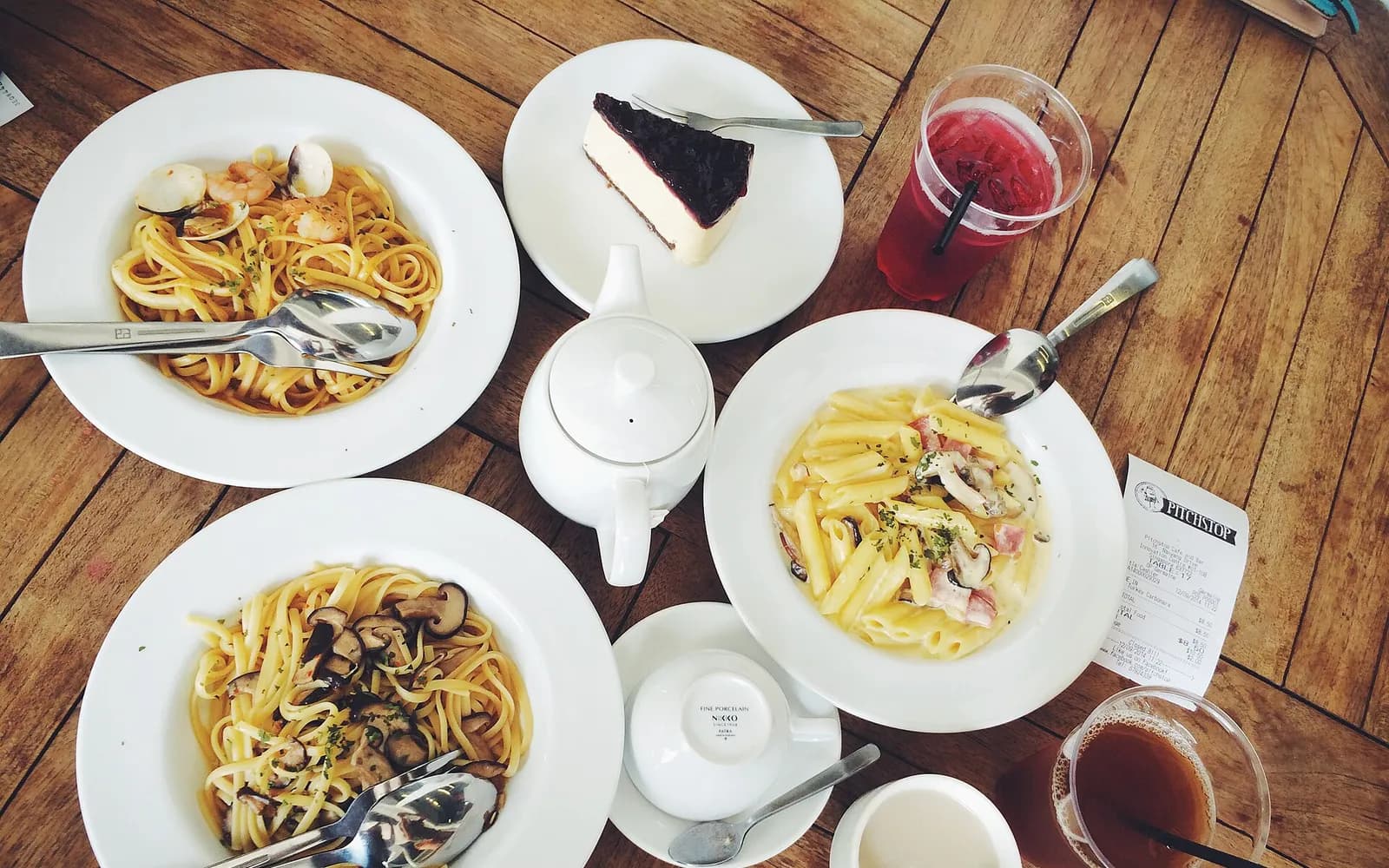
Steakhouse
8 places 4.3 avg
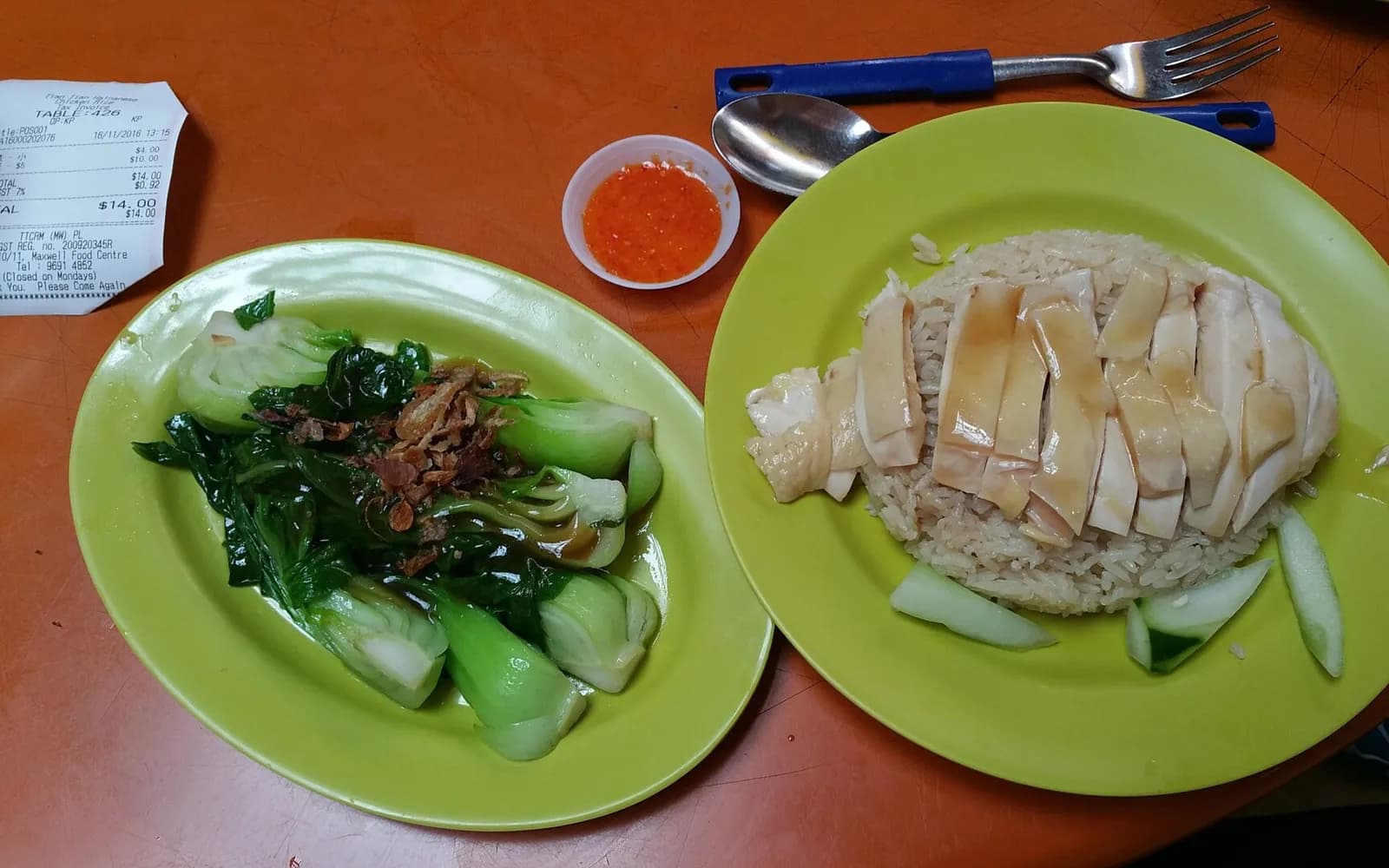
Italian
7 places 4.1 avg
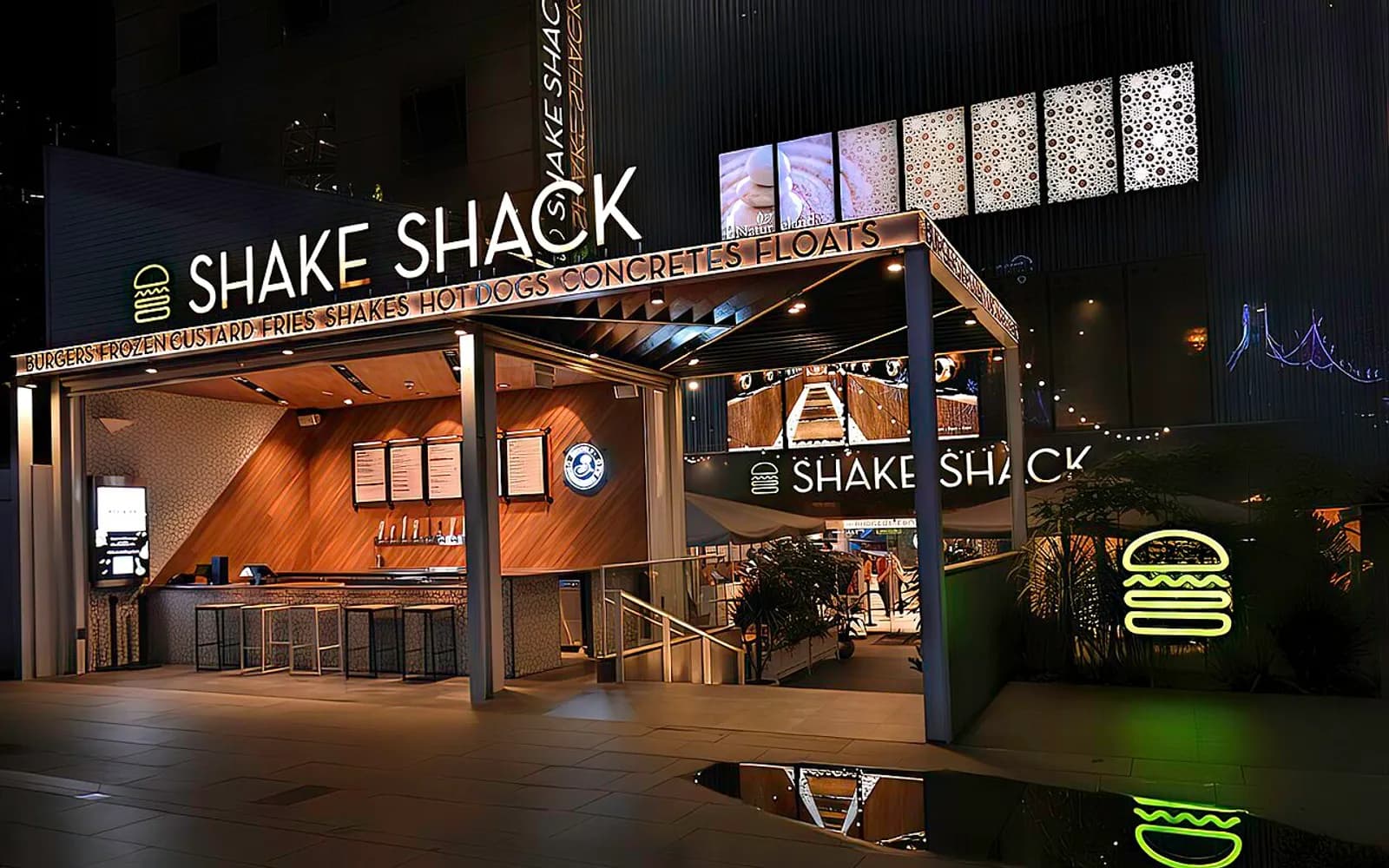
Hainanese
6 places 4.3 avg
American

6 places 4.4 avg
Contemporary

9 places 4.3 avg
Café
6 places 4.4 avg
International Buffet

5 places 4.3 avg
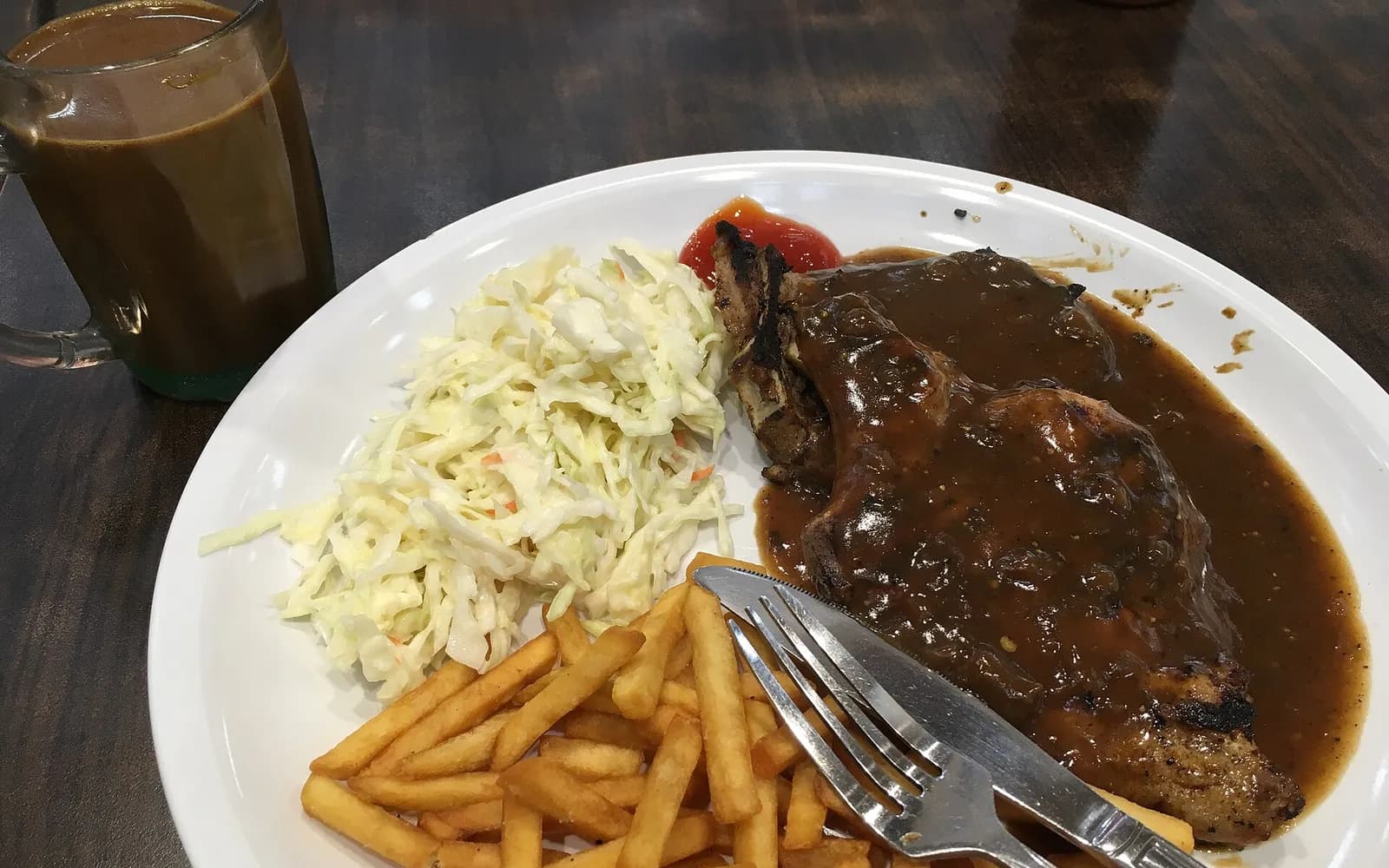
Teochew
5 places 4.3 avg
Western

5 places 4.2 avg
Zi Char
31 places 4.4 avg
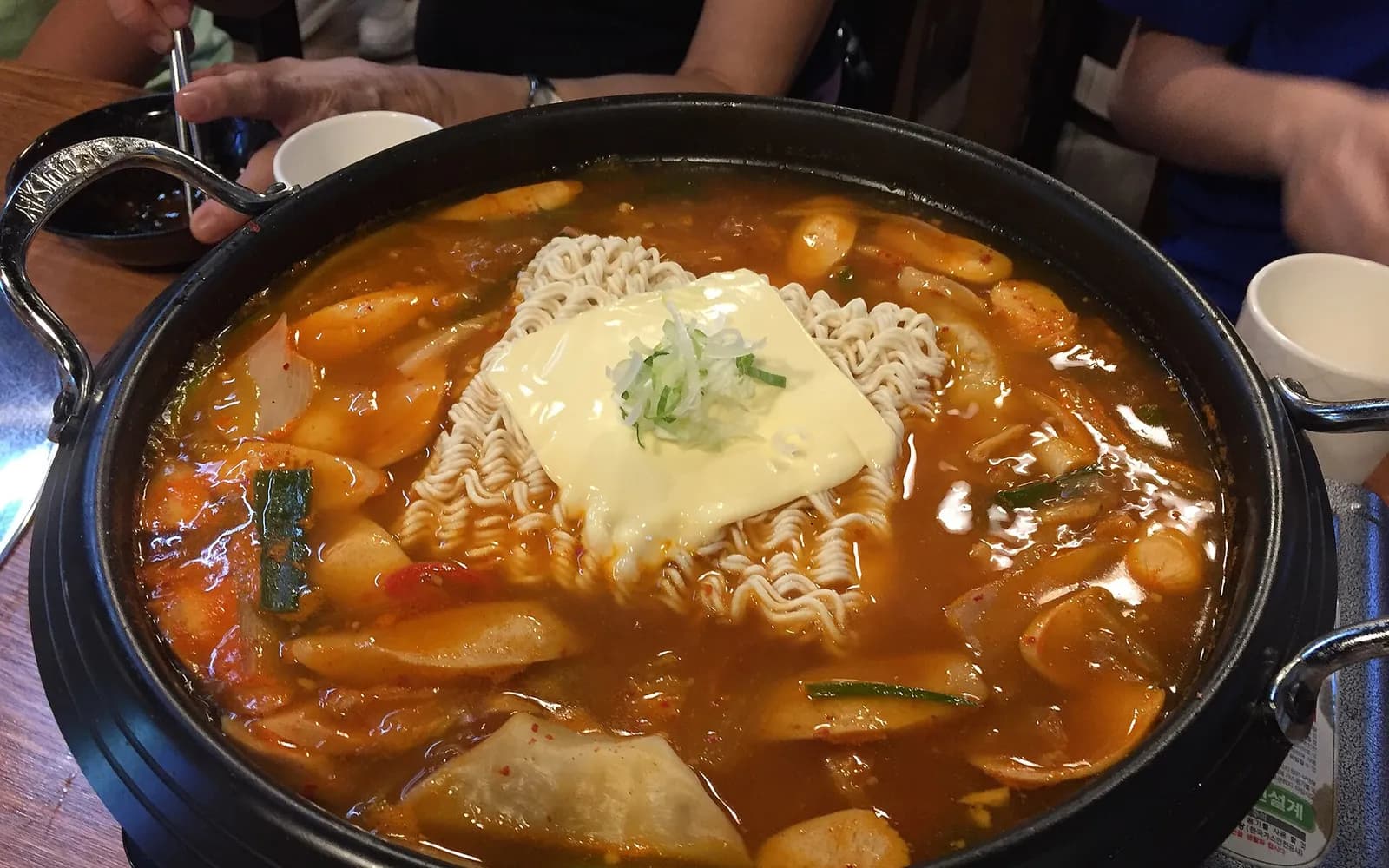
Chinese
4 places 4.3 avg
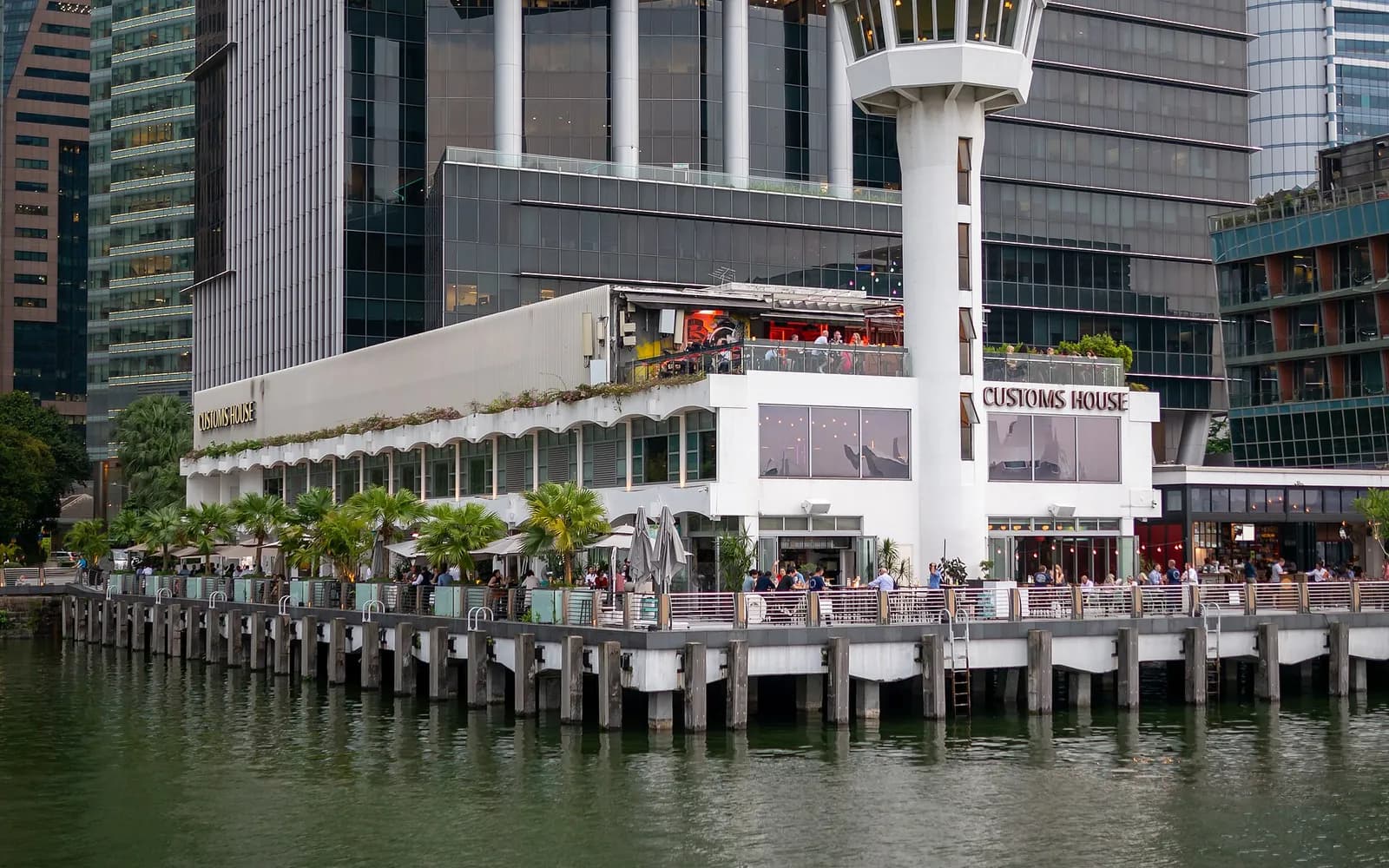
Korean
4 places 4.3 avg
Mexican

4 places 4.2 avg
North Indian
32 places 4.4 avg
European

3 places 4.3 avg
Modern Asian
3 places 4.3 avg
Sichuan

3 places 4.1 avg
South Indian
Finding restaurants by cuisine in Singapore
Singapore is a small island with a very wide choice of food. Sorting restaurants by cuisine is the easiest way to plan your meals. You can eat Chinese, Malay, Indian and Peranakan food in one day, often on the same street. Add French, Italian, Japanese and Korean, and the choice can feel endless. This guide explains the main cuisines and where to start.
Singapore's home cuisines
Most local food comes from Singapore's main communities: Chinese, Malay and Indian, plus the Peranakan community. Many dishes now mix ideas from more than one tradition.
Chinese regional cooking
Chinese food in Singapore is not one style. Each style comes from a different region of China.
- Cantonese: dim sum, roast meats and light, careful flavours. Summer Pavilion in Marina Bay is one example.
- Teochew: gentle flavours, steamed fish and rice porridge. Try Chui Huay Lim Teochew Cuisine in the Newton area.
- Hainanese: best known for chicken rice, now a Singapore favourite.
- Sichuan: bold, spicy dishes with numbing Sichuan pepper.
- Zi Char: casual Chinese dishes cooked to order and shared at the table. The name means "cook and fry".
Malay and Peranakan food
Malay cooking uses coconut milk, chilli, lemongrass and rich spice pastes. Look for nasi padang, a spread of curries and sides with rice. Also try nasi lemak, rice cooked in coconut milk. Hjh Maimunah, in Kampong Glam, serves Malay food.
Peranakan food, also called Nyonya food, blends Chinese and Malay cooking. Dishes are often rich, spicy and slow-cooked. Try National Kitchen by Violet Oon or Candlenut in Dempsey.
Indian food
South Indian food includes dosa (thin rice and lentil pancakes), banana leaf meals and many vegetarian dishes. Komala Vilas and Banana Leaf Apolo are both in Little India. North Indian food is richer. Expect breads such as naan, creamy curries and dishes from the tandoor, a clay oven.
World cuisines in Singapore
Singapore also has a large choice of international restaurants. Many are in Marina Bay, the CBD (Central Business District), Orchard Road and Dempsey.
- European: French, Italian, Spanish and Greek restaurants, from bistros to tasting menus.
- Japanese and Korean: sushi counters, ramen and Korean barbecue. See Japanese and Korean.
- Southeast Asian: Thai and Vietnamese food, often lighter and full of fresh herbs.
- The Americas and the Middle East: burgers, tacos and mezze at American, Mexican and Middle Eastern places.
How to choose a cuisine and a restaurant
- Match the meal to the setting. Local dishes are often best and cheapest at hawker centres. These are covered food centres with many small stalls. Save restaurants for long dinners and special meals.
- Check your budget. A hawker meal often costs around S$4 to S$8. A mid-range restaurant may cost S$30 to S$80 a person, and fine dining much more. Prices change, so check menus before you go.
- Think about spice. Malay, Peranakan, Sichuan and many Indian dishes can be hot. Ask for less chilli if you prefer milder food.
- Plan for dietary needs. If you need halal food, look for the MUIS halal certificate at the stall or restaurant. MUIS is the Islamic Religious Council of Singapore. Vegetarians will find many choices at South Indian and Chinese Buddhist restaurants.
- Book ahead for dinner. Popular restaurants fill up at weekends. Hawker stalls do not take bookings.
FAQs about restaurants by cuisine
What food is Singapore known for?
Singapore is known for its hawker food, which draws on Chinese, Malay, Indian and Peranakan cooking. Chicken rice, laksa, chilli crab and satay are among the best-known dishes.
What is the difference between Malay and Peranakan food?
Malay food is the cooking of Singapore's Malay community, with spice pastes, coconut and chilli. Peranakan food mixes Chinese and Malay cooking. Some Peranakan dishes use pork, while Malay food does not.
Where can I try many cuisines in one place?
Go to a hawker centre such as Maxwell Food Centre or Old Airport Road Food Centre. Most hawker centres have stalls from several cuisines under one roof. It is a cheap way to try a few styles in one meal.
Do I need to book restaurants in Singapore?
For popular restaurants, yes, especially for dinner and at weekends. Most take online bookings. Hawker stalls and casual eateries do not, so go early to avoid queues.