


Google rating 4.4 out of 5
Peranakan
National Kitchen by Violet Oon
Peranakan in City Hall & Clarke Quay, rated 4.4 on Google.
City Hall & Clarke Quay
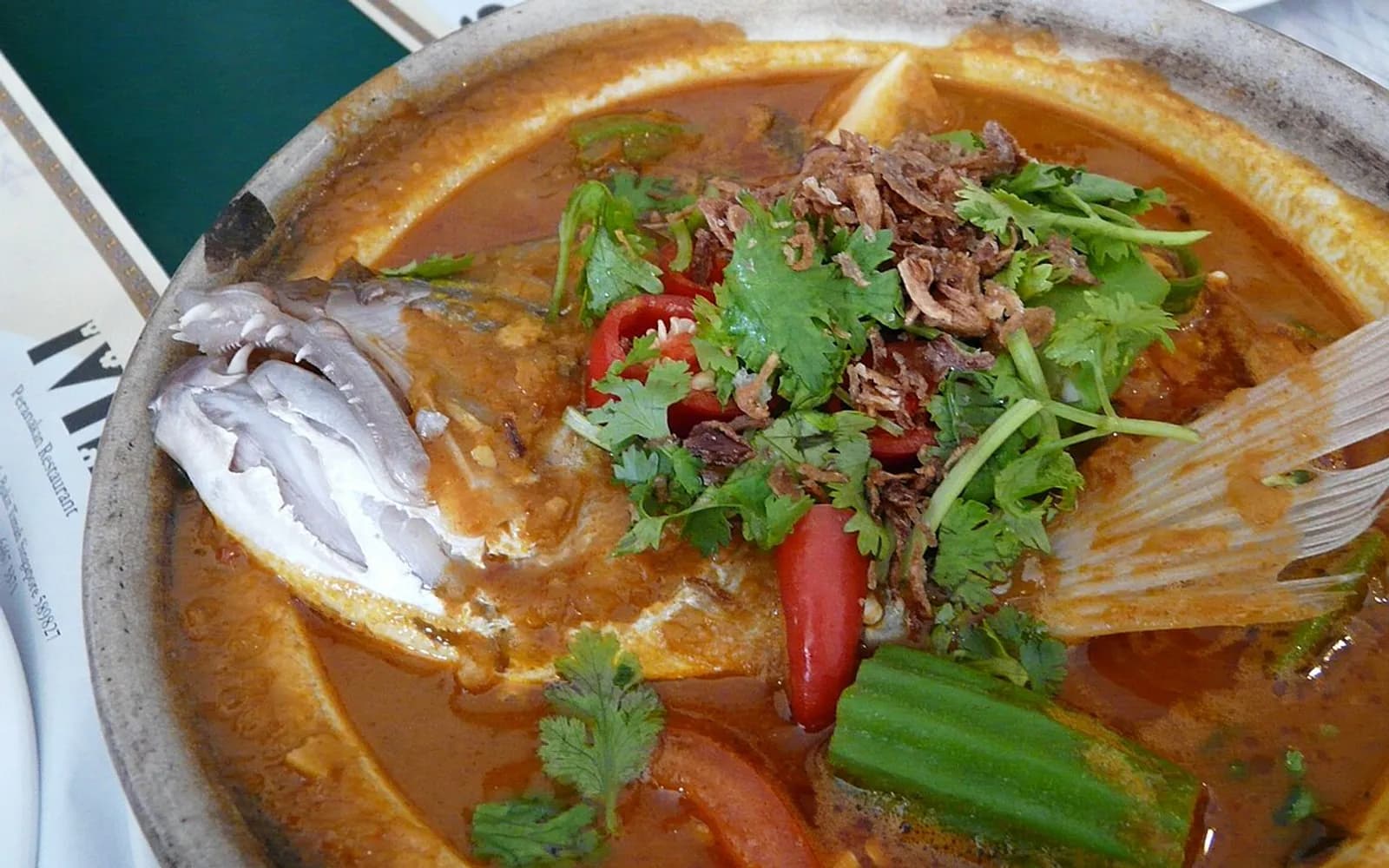
Photo: Chensiyuan, CC BY-SA 4.0, cropped
Restaurants
Nyonya cooking that blends Chinese and Malay traditions.
This page lists the best Peranakan restaurants in Singapore. Peranakan food, also called Nyonya food, blends Chinese cooking with Malay spices and ingredients. You will find family-style kitchens, a kueh shop and smart dining rooms here, each averaging 4 stars or more on Google.
Open a listing for its area and directions. To learn about the culture behind the food, visit the Peranakan Museum.
Showing 1–10 of 10 restaurants
Peranakan in City Hall & Clarke Quay, rated 4.4 on Google.
City Hall & Clarke Quay

Peranakan in Upper Bukit Timah, rated 4.3 on Google.
Upper Bukit Timah
Peranakan in Chinatown & Tanjong Pagar, rated 4.3 on Google.
Chinatown & Tanjong Pagar

Peranakan in Katong & Joo Chiat, rated 4.3 on Google.
Katong & Joo Chiat
Peranakan in Dempsey, Tanglin & Holland, rated 4.2 on Google.
Dempsey, Tanglin & Holland
Peranakan in Orchard & River Valley, rated 4.2 on Google.
Orchard & River Valley
Peranakan in Katong & Joo Chiat, rated 4.1 on Google.
Katong & Joo Chiat

Peranakan in City Hall & Clarke Quay, rated 4.1 on Google.
City Hall & Clarke Quay
The Peranakans are descendants of early Chinese settlers in the region, many of whom married local women. Over generations, they created their own culture, dress and food. Men are called Baba and women are called Nyonya, which is why the food is often called Nyonya cooking. Peranakan restaurants in Singapore keep these family recipes alive. Many dishes take hours to prepare, so a good Peranakan meal is a real treat.
Peranakan cooking is rich, spicy, sour and fragrant all at once. Most dishes start with rempah, a spice paste pounded from chillies, shallots, lemongrass, galangal and candlenuts. Galangal is a root related to ginger. Tamarind adds sourness, and belacan, a fermented shrimp paste, adds depth.
Laksa, a spicy coconut noodle soup, also has Peranakan roots. See the Laksa page for where to try it. Kaya, the coconut jam spread on toast, comes in a green Nyonya style too. Read Hainanese vs Nyonya Kaya: Brown or Green Coconut Jam to learn the difference.
National Kitchen by Violet Oon is inside National Gallery Singapore, so you can pair a meal with a gallery visit. True Blue Cuisine and Godmama are also in the City Hall and Clarke Quay area. Blue Ginger is in Chinatown and Tanjong Pagar.
Katong and Joo Chiat in the east has long links with Peranakan culture. Here you will find Guan Hoe Soon and Chilli Padi Nonya Restaurant. As its name suggests, Kim Choo Kueh Chang is a place for kueh and chang, which are rice dumplings. After eating, walk past the colourful Koon Seng Road Shophouses. See all Restaurants in Katong & Joo Chiat for more nearby food.
Candlenut is in leafy Dempsey, Tanglin and Holland. Indocafe The White House is in the Orchard and River Valley area.
Visit the Peranakan Museum in the City Hall area to see Peranakan beadwork, clothes and porcelain.
There is no real difference. Nyonya is the word for Peranakan women, and the food takes its name from them. Both names describe the same style of cooking.
Start with ayam buah keluak, babi pongteh, chap chye and kueh pie tee. Finish with nyonya kueh or chendol.
Katong and Joo Chiat in the east has the strongest links to Peranakan culture. The City Hall area also has several good restaurants, close to the Peranakan Museum.
Some dishes are spicy, but many are mild and rich. Chilli is often served on the side, so you can add as much as you like.
Explore more

82 places

18 places

31 places
11 places
21 places
20 places
12 places
32 places
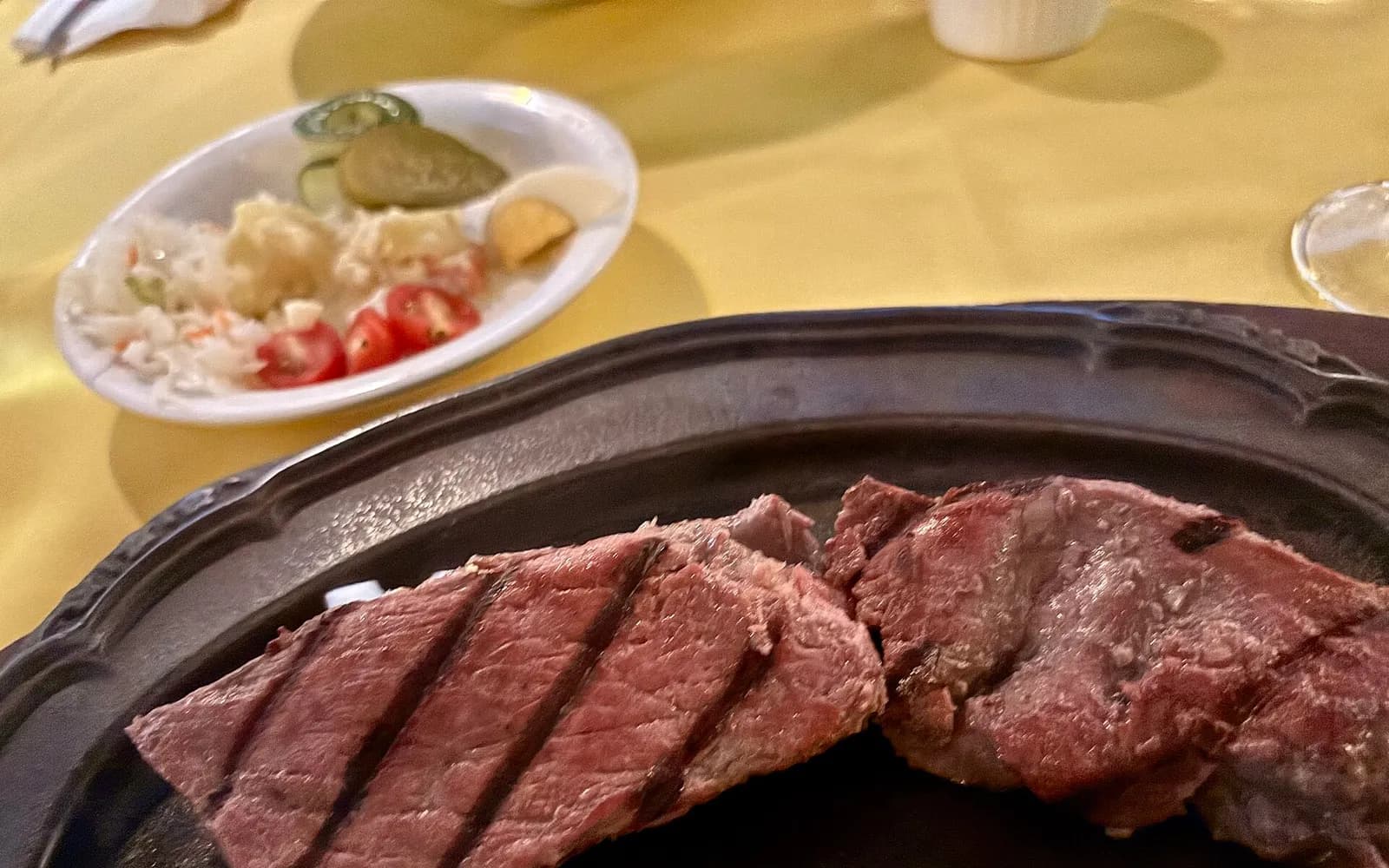
16 places

5 places
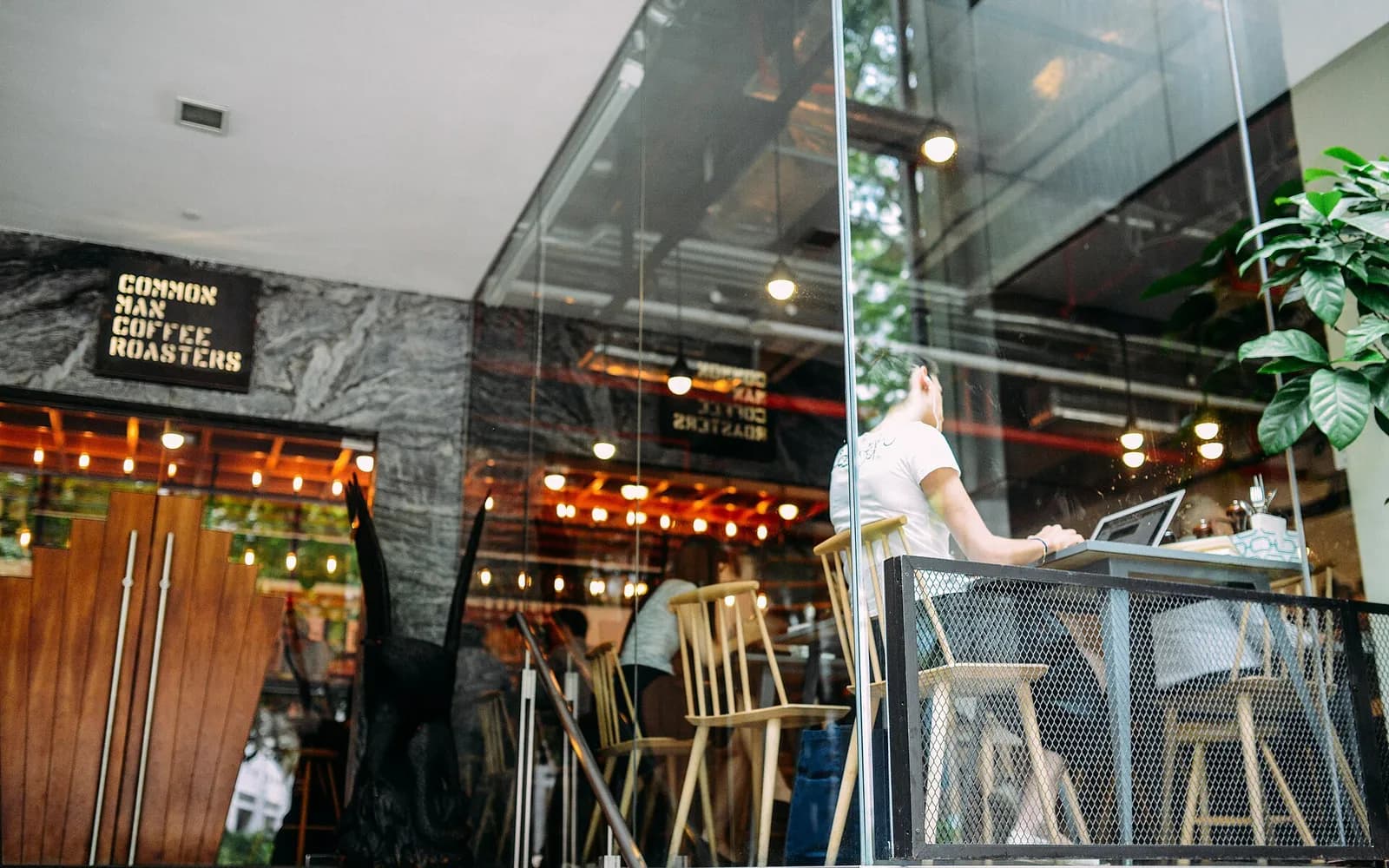
9 places
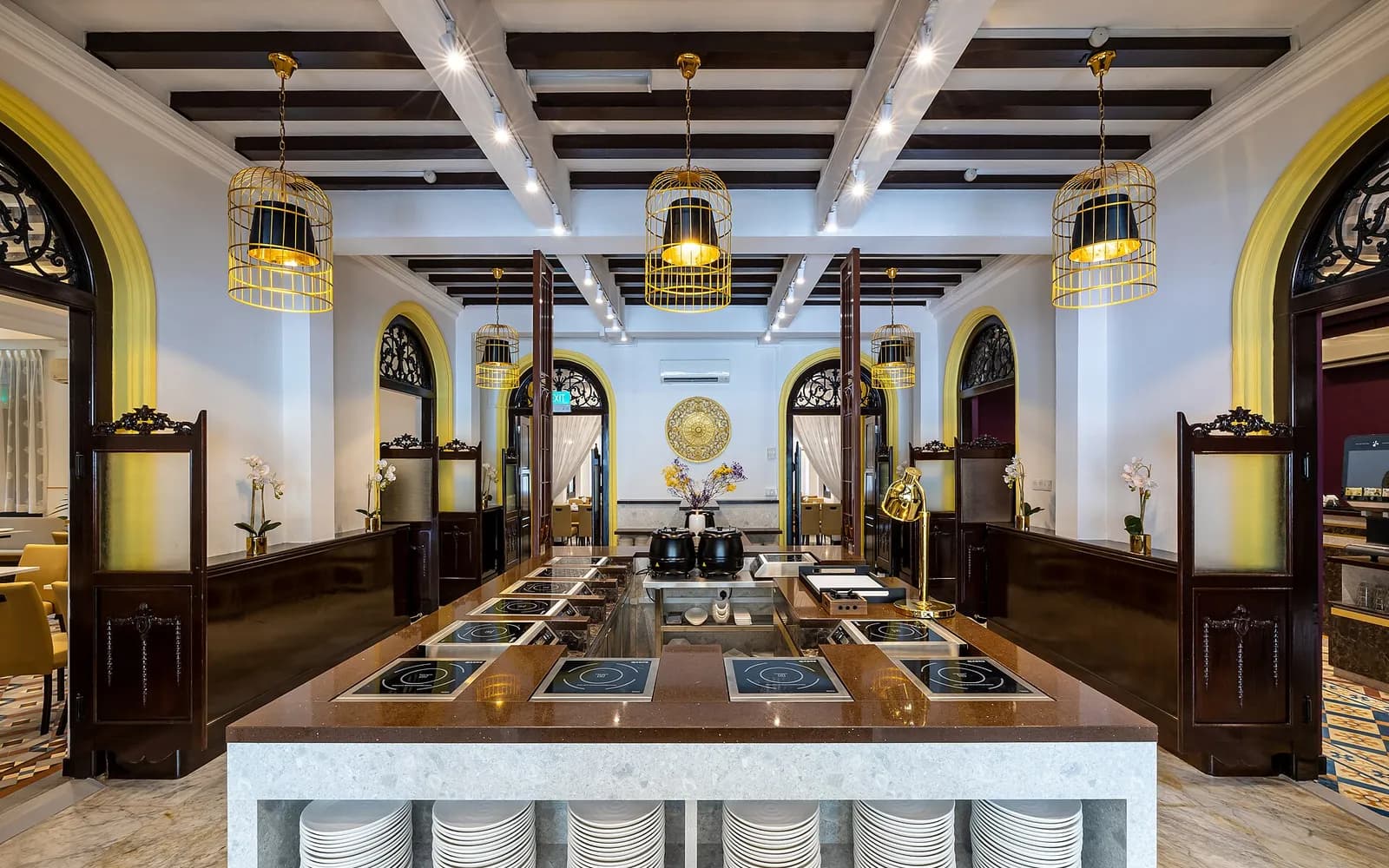
6 places
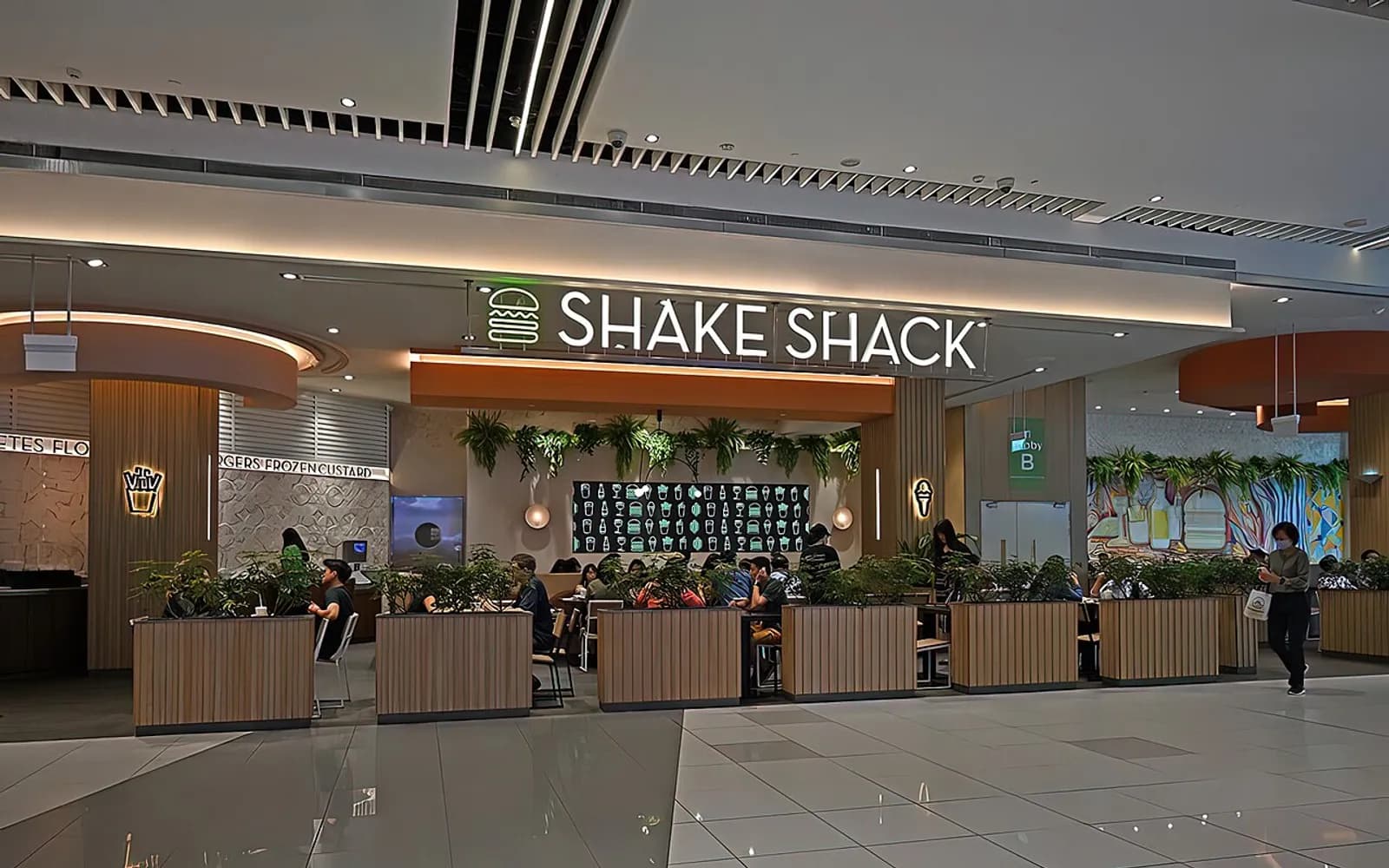
18 places