

Google rating 4.3 out of 5
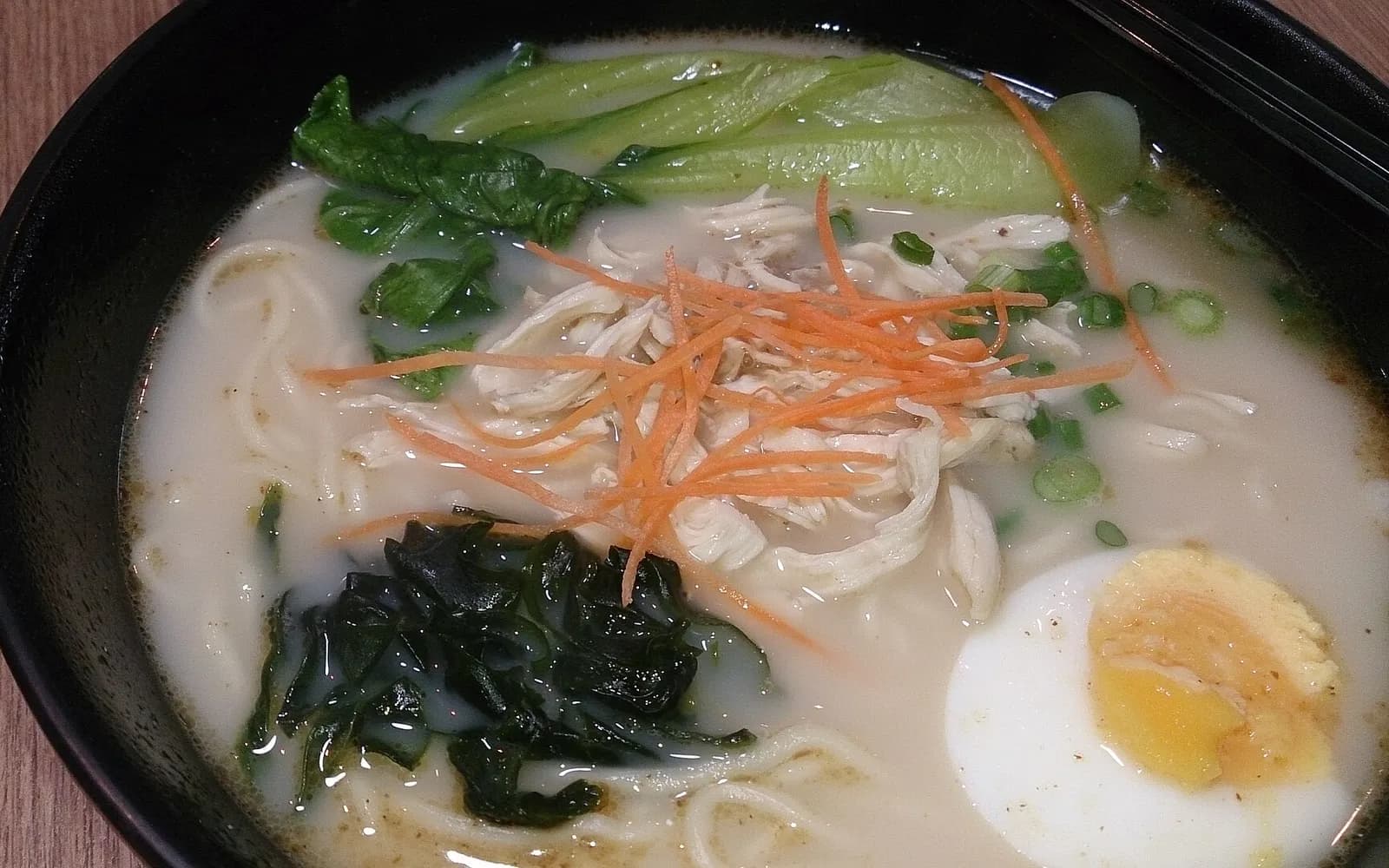
Photo: ProjectManhattan, CC BY-SA 3.0, cropped
Must-try dishes
There are 4 places on this page, all rated 4.0 or higher on Google, with an average of 4.3.
This page lists the best places for ramen in Singapore. Each one is rated 4.0 or higher on Google. Ramen is a Japanese dish of wheat noodles in a hot, rich broth, usually topped with sliced pork, egg and spring onion.
Open a listing to see its area and directions. Want other Japanese food? Browse all Japanese restaurants, or try Tonkatsu.
Showing 1–4 of 4 restaurants
Ramen in Chinatown & Tanjong Pagar, rated 4.3 on Google.
Chinatown & Tanjong Pagar
Ramen in Orchard & River Valley, rated 4.2 on Google.
Orchard & River Valley
Ramen in Singapore is easy to find, from shopping malls to small shops in the city. The dish comes from Japan. It is wheat noodles served in a hot broth with a few toppings. A good bowl is filling and comes out fast. It suits a quick lunch or an easy dinner after a day of sightseeing.
Ramen is often grouped by its broth or seasoning. Menus usually show one or more of these styles.
Many shops also sell a spicy version of their main bowl. If you are not used to chilli, start with the mildest level.
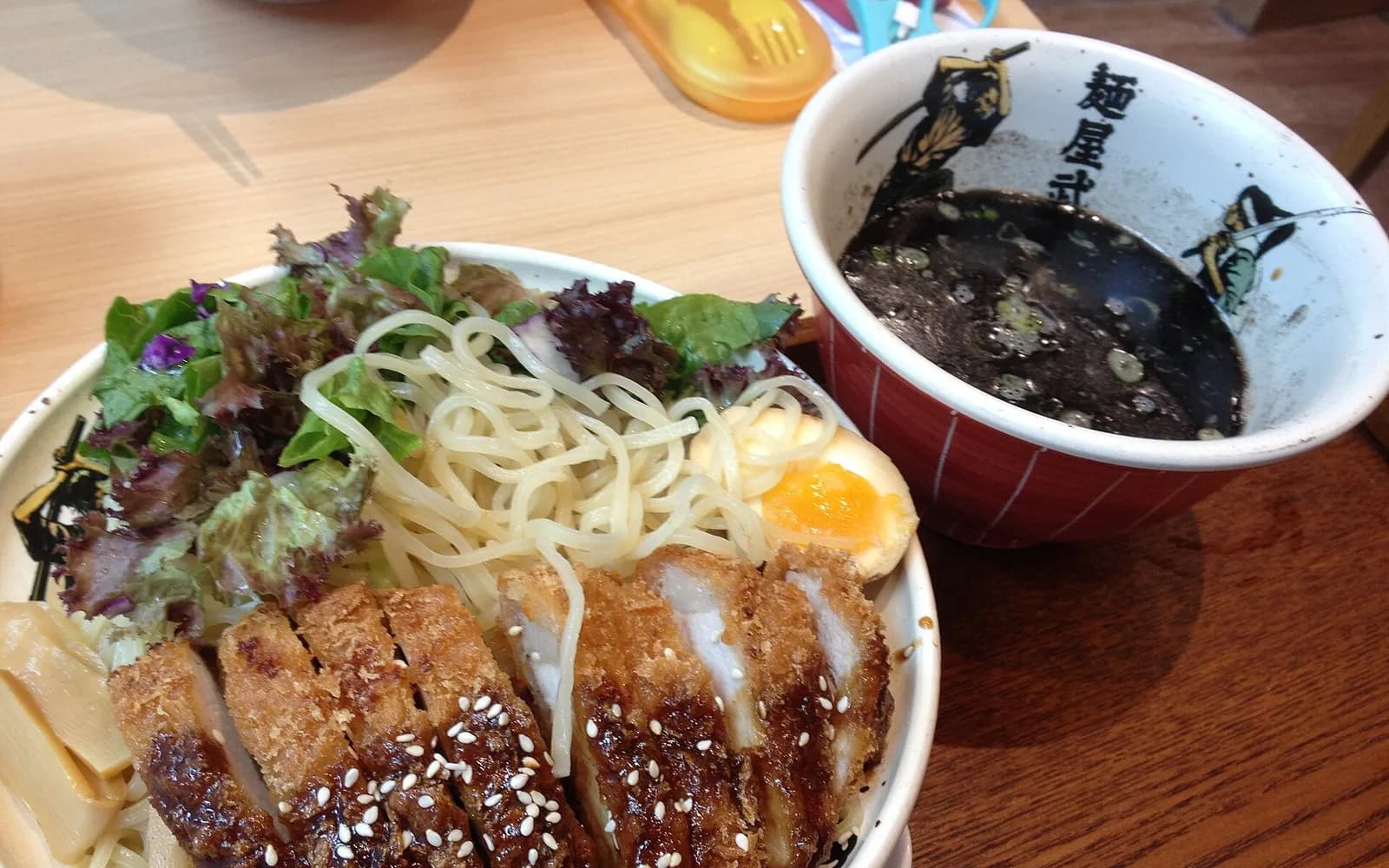
Most bowls come with chashu, which is slow-cooked pork. A soft-boiled egg marinated in soy sauce, called ajitama, is a popular extra. You may also see nori (dried seaweed), spring onion, bamboo shoots and wood ear mushroom.
Many ramen shops give you an order sheet or a tablet. You tick your broth, toppings and extras. Some shops also let you choose how firm your noodles are. Firm noodles are a good choice if you eat slowly, as they soften in the hot soup.
Some shops that serve Hakata-style tonkotsu also sell kaedama. This is an extra serving of noodles added to the broth left in your bowl. Order it before you finish the soup.
A bowl of ramen often costs around S$15 to S$25. Extra toppings add a few dollars each. Prices change, so check the menu before you order.
Both Ippudo listings are branches of a well-known ramen chain from Japan. Pick the one closest to your plans.
Tonkotsu is a creamy pork-bone broth used for ramen. Tonkatsu is a breaded, deep-fried pork cutlet. See our Tonkatsu page if you want the cutlet.
Usually not. Most ramen shops take walk-ins, but queues are common at meal times.
Sometimes. Many shops use pork in both the broth and the toppings. Some offer chicken, seafood or vegetable bowls, so ask the staff before you order.
Expect around S$15 to S$25 for a bowl, with extras on top. Prices change, so treat this as a rough guide.
Try Sushi for raw fish on seasoned rice. Tendon is a rice bowl topped with tempura.