

Google rating 4.6 out of 5
Japanese
Sushi Kimura
Japanese sushi in Orchard & River Valley, rated 4.6 on Google.
Orchard & River Valley
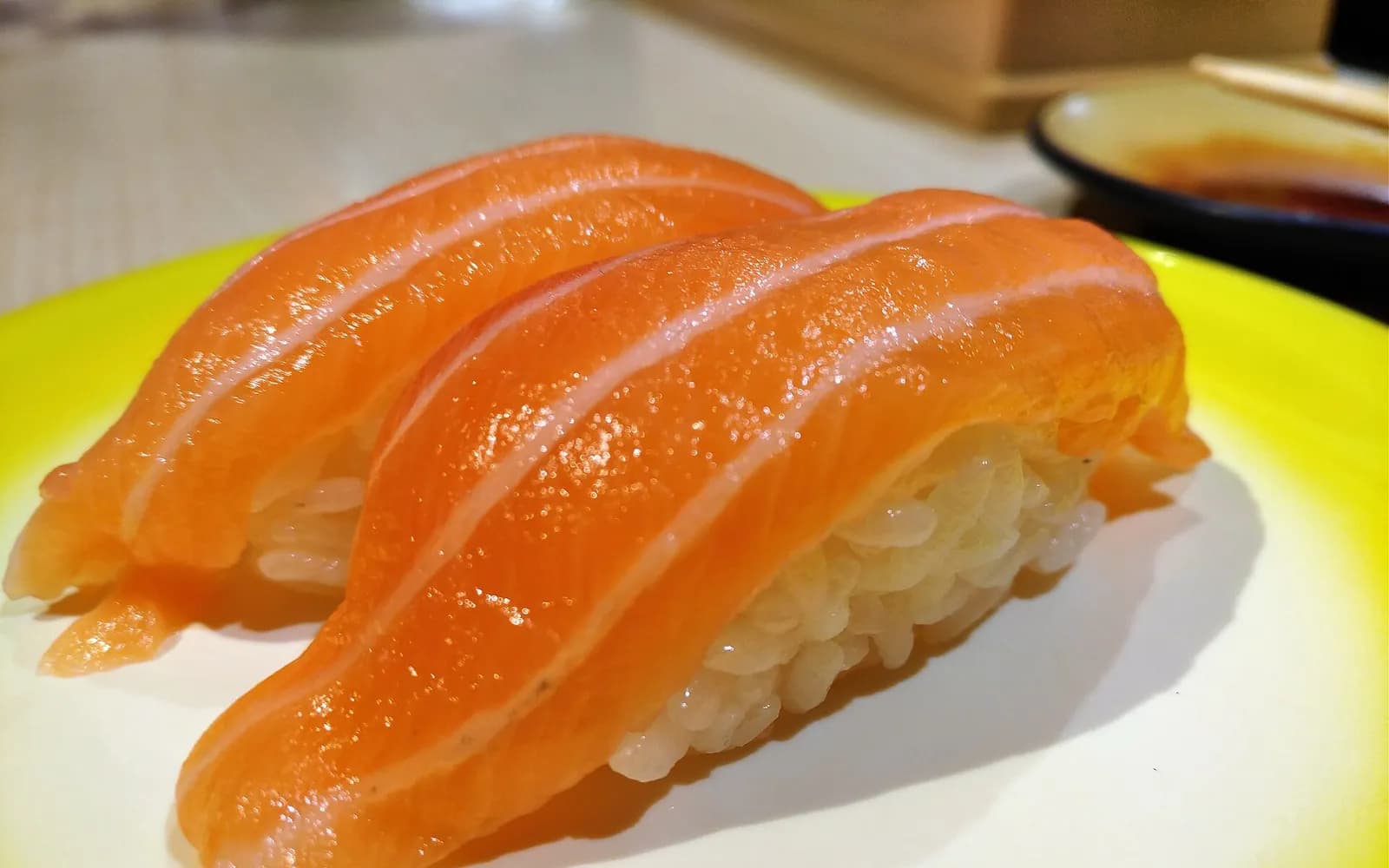
Photo: puffballruns, CC0, cropped
Must-try dishes
There are 5 places on this page, all rated 4.0 or higher on Google, with an average of 4.5.
This page lists the best places for sushi in Singapore. Every place here is rated 4.0 or higher on Google. You will find small sit-down sushi counters for a special meal, and a conveyor-belt restaurant for a quick, casual one.
Open a listing to see its area, contact details and directions. For more Japanese food, browse all Japanese restaurants.
Showing 1–5 of 5 restaurants
Japanese sushi in Orchard & River Valley, rated 4.6 on Google.
Orchard & River Valley

Japanese sushi in Dempsey, Tanglin & Holland, rated 4.5 on Google.
Dempsey, Tanglin & Holland

Japanese conveyor sushi in Orchard & River Valley, rated 4.3 on Google.
Orchard & River Valley
Sushi in Singapore covers a wide range. At one end are small counters with only a few seats. At the other are busy conveyor-belt restaurants in shopping malls. Sushi is vinegared rice paired with seafood, egg or vegetables. Many high-end counters fly in fish from Japan, so their menus change with the seasons.
Many high-end sushi places serve omakase. The word means 'I leave it to you'. You sit at a counter, and the chef serves one piece at a time. A meal can take around two hours. It suits a special night out. Seats are few, so book ahead.
For a sit-down sushi meal, look at these places on our list:
Check each listing to see the menus on offer. For more special-occasion meals, see Fine Dining.
Conveyor-belt sushi is quick, good value and fun for children. Plates pass by on a moving belt, and you take what you like. Many places also let you order on a tablet. The plate colour or the screen shows the price. Sushiro (Wisma Atria) is a conveyor-belt choice on Orchard Road. Conveyor-belt chains often sell cooked dishes too. That helps if someone in your group does not eat raw fish.
At conveyor-belt places, plates often cost a few dollars each. A top omakase dinner can cost several hundred dollars per person. Lunch menus at counters often cost less than dinner. Prices change, so check before you book.
Love seafood? See our Chilli Crab & Seafood guides for local dishes too.
Omakase means 'I leave it to you' in Japanese. The chef chooses the menu and serves each piece one at a time, usually at a counter.
Conveyor-belt restaurants are the best value. Try Sushiro (Wisma Atria) on Orchard Road. Lunch menus at sit-down counters can also cost less than dinner.
For omakase, yes, often well ahead. Conveyor-belt places usually take walk-ins, though queues are common at meal times.
At a casual place, nobody will mind. At an omakase counter, the chef usually adds wasabi for you. Taste each piece as it comes first.