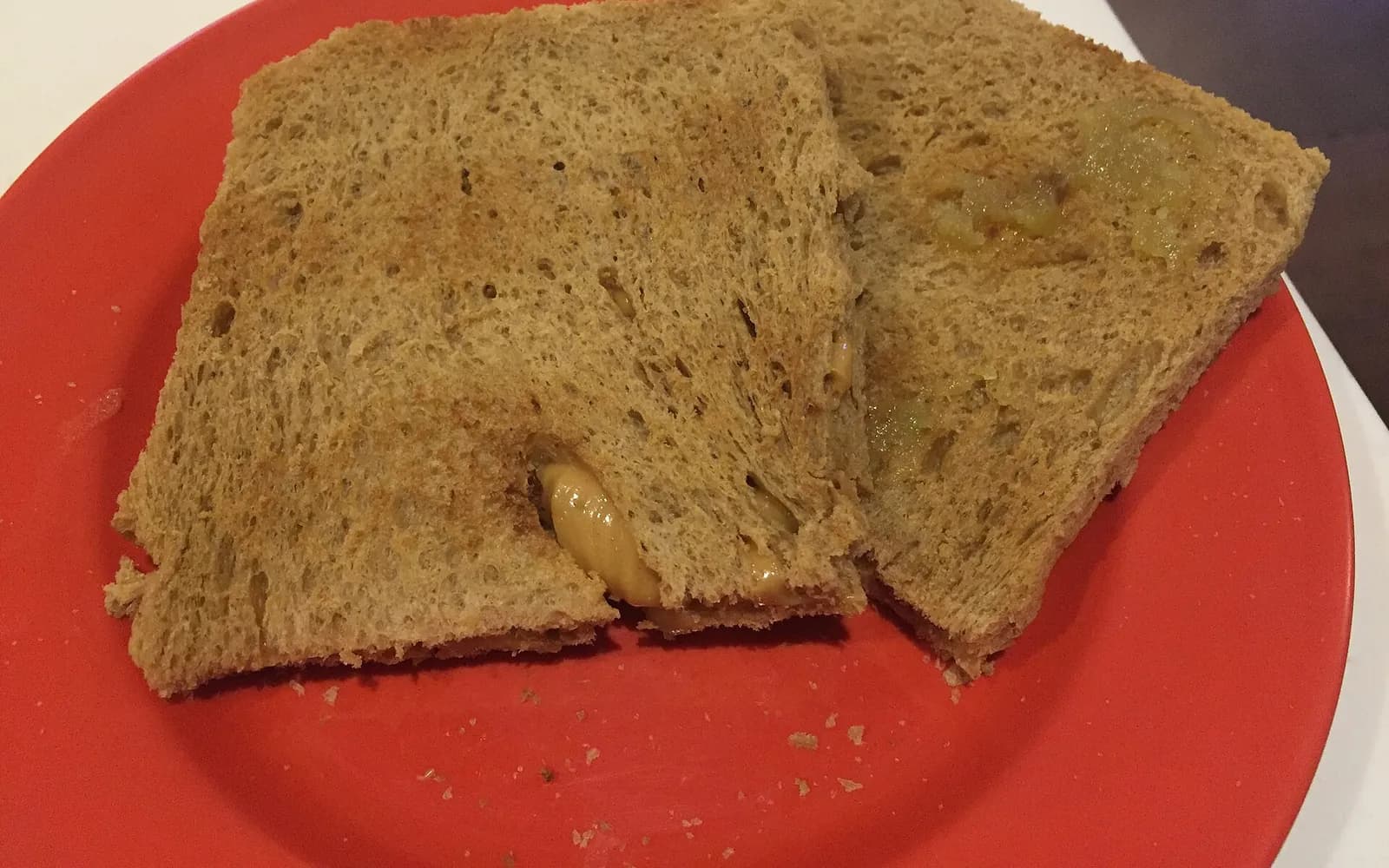


Hainanese vs Nyonya kaya comes down to colour and flavour. Hainanese kaya is brown because the sugar is caramelised, and it tastes deep and toffee-like. Nyonya kaya is green because it is made with pandan leaf juice, and it tastes fresher and more fragrant.
Both are coconut jams made from coconut milk, eggs and sugar. You will see both in Singapore, but often in different places. This guide explains how to tell them apart and where each one usually turns up. For more morning food, see our Kaya Toast and Local Breakfast guides.
What all kaya is made of
Every kaya starts with the same base: coconut milk, eggs and sugar. The cook stirs the mix over gentle heat for a long time. Slowly, it thickens into a smooth jam that spreads easily. Patience matters, because too much heat makes the eggs set in lumps.
Many cooks add pandan leaves for scent. Pandan is a long green leaf used across Southeast Asia in cakes and sweets. Its smell is often compared to vanilla. How much pandan goes in, and whether the sugar is caramelised, decides the final style. If you are new to kaya, start with what is kaya toast.
Hainanese vs Nyonya kaya at a glance
- Colour: Hainanese kaya ranges from golden to dark brown. Nyonya kaya ranges from pale to bright green.
- Flavour: Hainanese kaya tastes of caramel and coconut. Nyonya kaya tastes of pandan and coconut.
- Texture: Both can be silky or thick and slightly grainy. Texture depends more on the maker than on the style.
- Where you see it: Brown kaya is the usual spread on coffee shop toast. Green kaya is common in Peranakan cakes and some home-style jars.
Hainanese kaya: the brown one
Hainanese kaya gets its colour from caramelised sugar. Cooks heat part of the sugar until it turns golden or brown, then mix it into the coconut and egg base. This gives a deeper, toffee-like taste. Some versions also use pandan, but the caramel flavour leads.
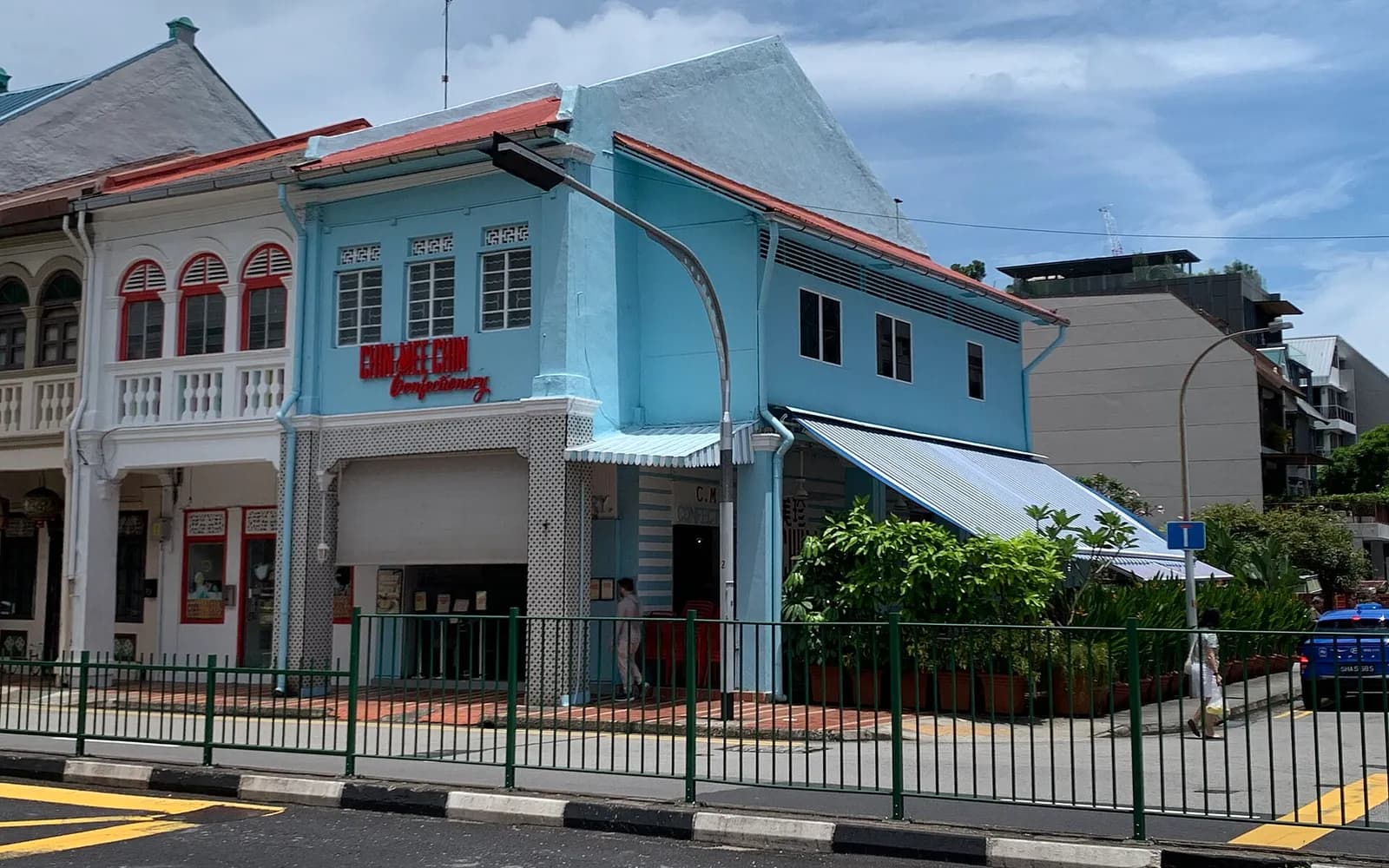
This style is linked to the Hainanese community, many of whom ran coffee shops in Singapore. That is why brown kaya is so common on kaya toast. Classic coffee shop toast, like the sets at Ya Kun Kaya Toast (Far East Square) and Killiney Kopitiam, is where many visitors first try kaya. Shades vary from shop to shop, so take a look before you bite.
Hainanese food goes well beyond breakfast. Our guide to Hainanese chicken rice covers its most famous dish, and our Hainanese restaurants list shows where to eat it.
Nyonya kaya: the green one
Nyonya kaya uses a lot of pandan. Cooks blend the leaves with a little water, strain out the green juice and stir it into the coconut and egg mix. The result is green, fragrant and a little lighter in taste.
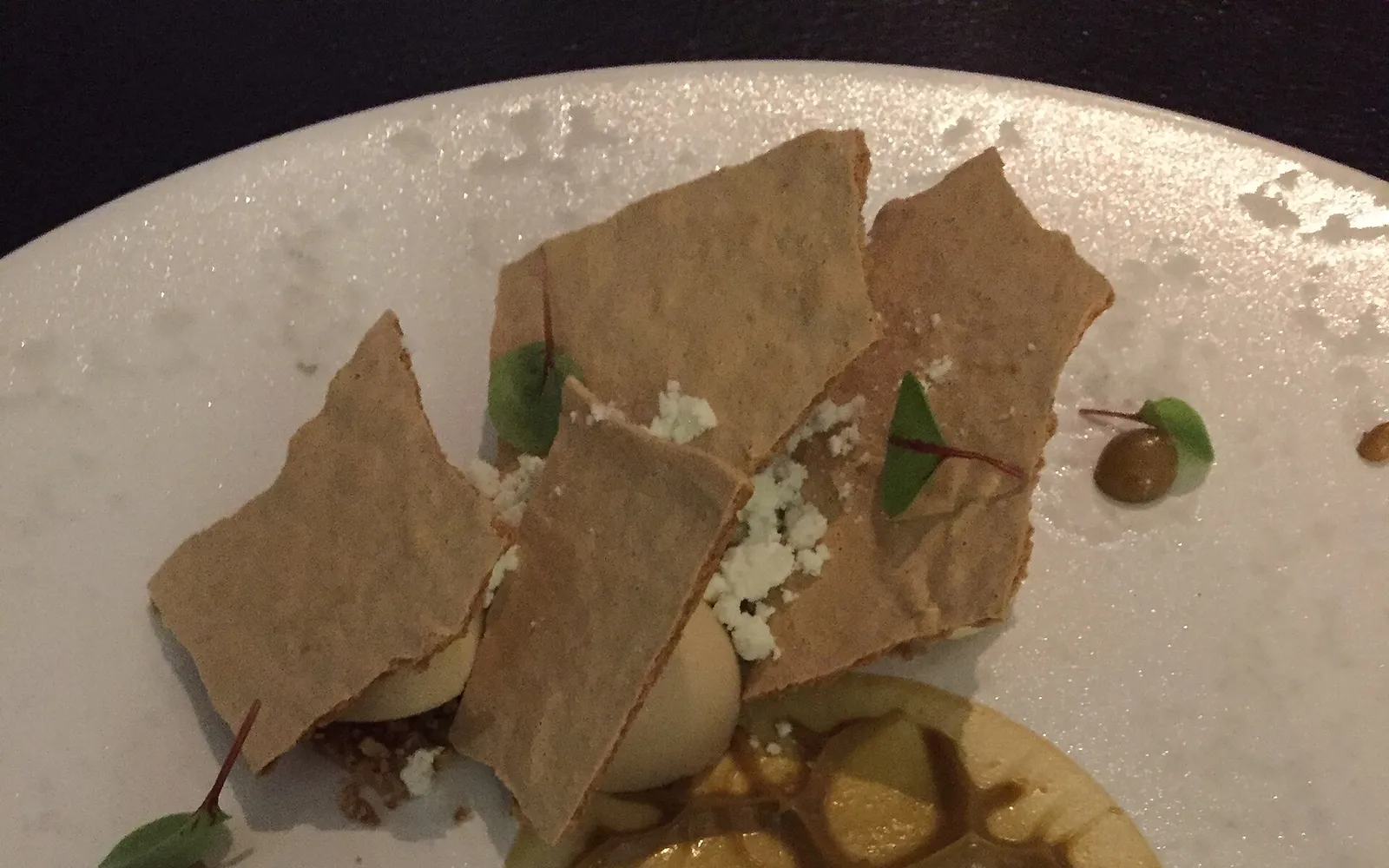
Nyonya is a word for Peranakan women, and it is also used for Peranakan cooking. Peranakan culture mixes Chinese, Malay and other influences, and its cooks are known for pandan-scented sweets. Learn more in our Peranakan Food guides, or see the culture up close at the Peranakan Museum.
Where each kaya is usually served
You will rarely be asked to choose between the two. Instead, each style tends to appear in its own kind of shop.
Brown kaya
- Kaya toast sets at coffee shops and hawker centre drinks stalls
- Steamed bread and kaya buns
- Jars sold at coffee shop chains and supermarkets
Green kaya
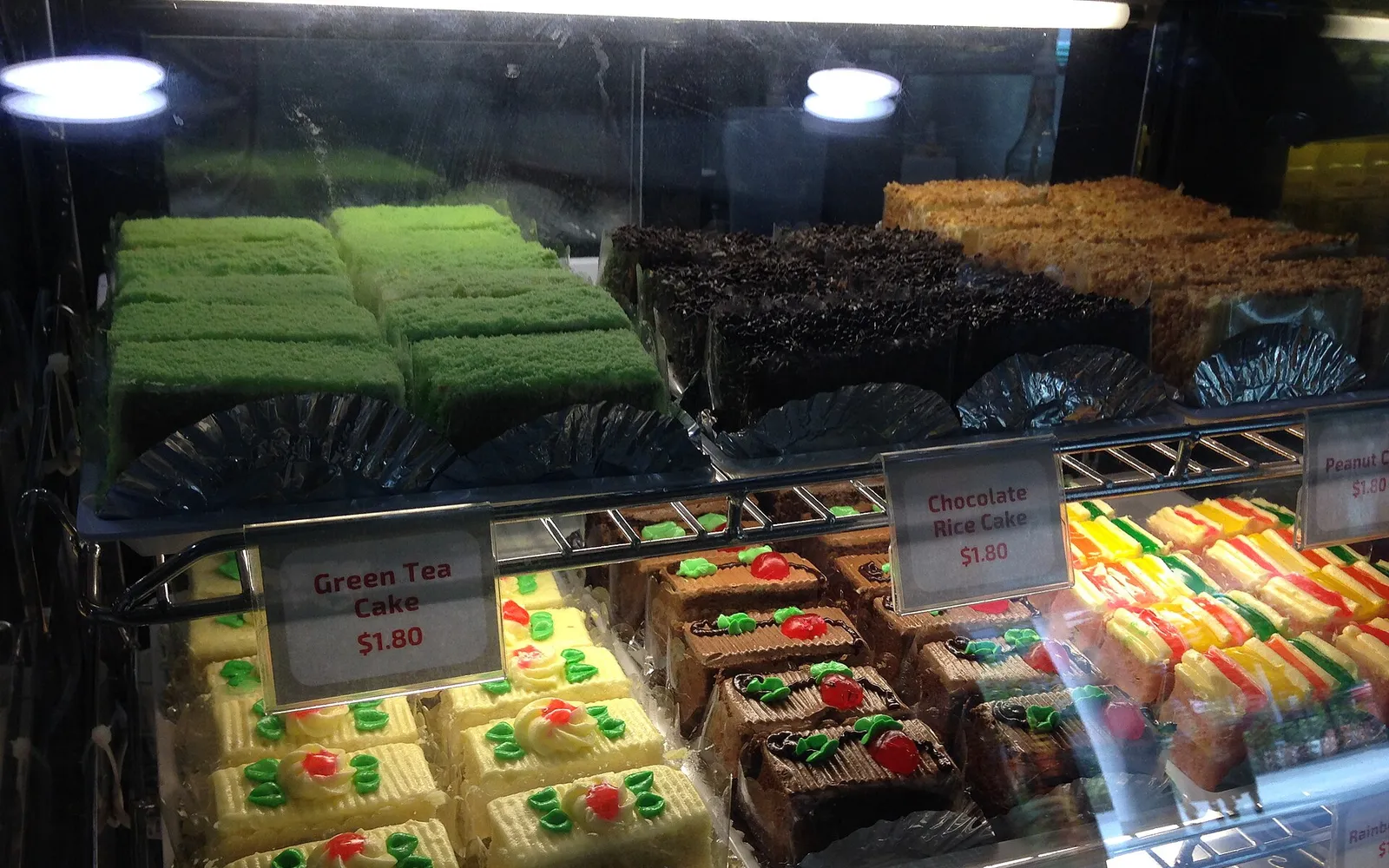
- Nyonya kueh, which are small traditional cakes
- Kueh salat, a two-layer cake with a green pandan custard, close to kaya, on top of sticky rice
- Peranakan bakeries and kueh shops
- Some cafés and restaurants that serve pandan toast or desserts
Katong is a good area to explore Nyonya flavours. Peranakan shops such as Kim Choo Kueh Chang are there, and the Koon Seng Road Shophouses are in the same area. See more in our Katong and Joo Chiat guides.
FAQs about Hainanese and Nyonya kaya
Why is some kaya green?
Green kaya gets its colour from pandan leaf juice. It is usually called Nyonya kaya or pandan kaya.
Why is some kaya brown?
Brown kaya gets its colour from caramelised sugar. It is usually called Hainanese kaya and is the common choice on coffee shop toast.
Which kaya should I try first?
Try both if you can. Start with brown kaya on toast at a coffee shop, then look for green kaya at a Peranakan bakery or kueh shop.
Is kaya vegan?
No. Traditional kaya is made with eggs, so it is not vegan and does not suit people with egg allergies.
Can I take kaya home?
Sealed jars from shops travel well in checked luggage. Check your home country's food import rules first, as some countries limit egg products.