
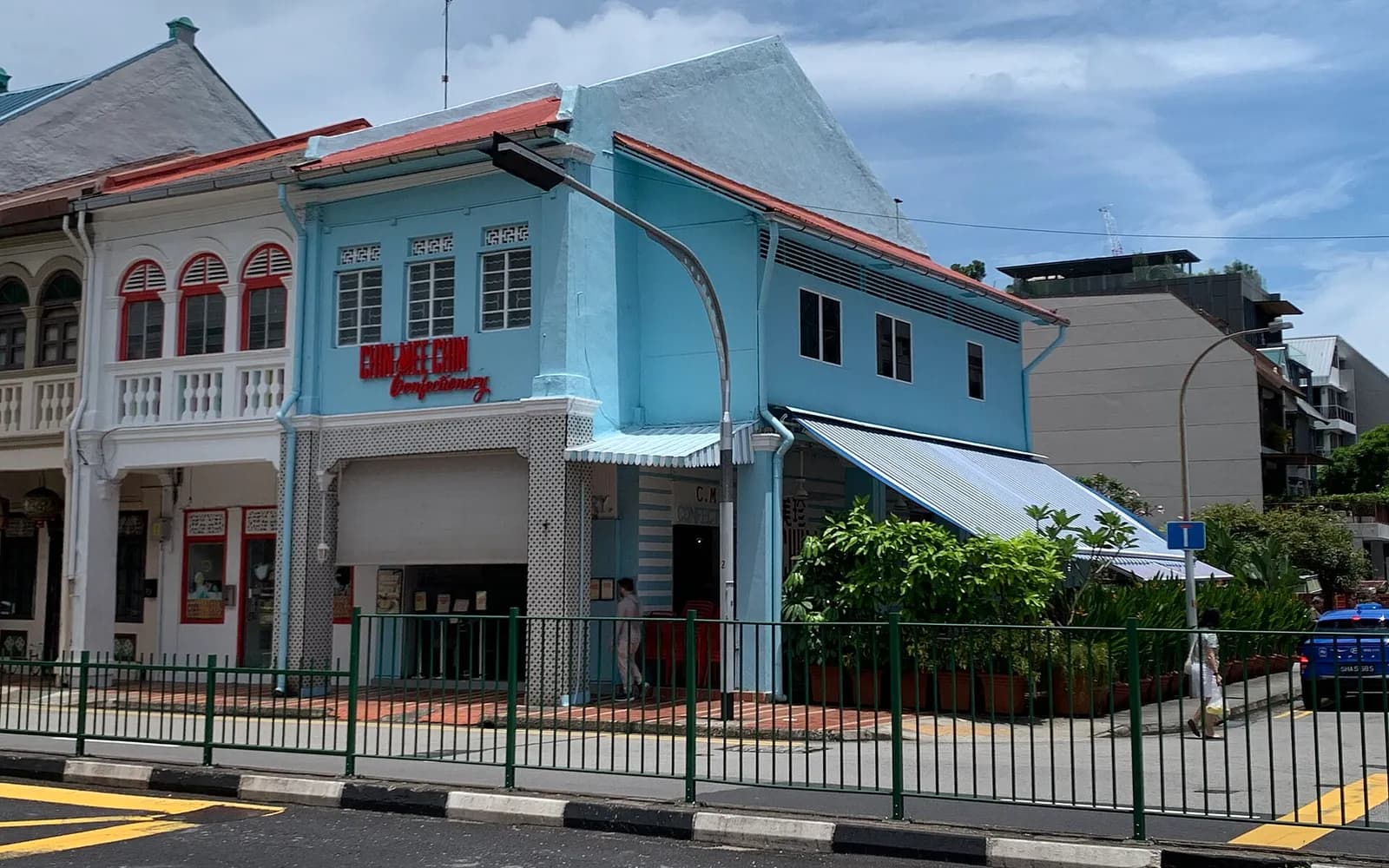
What is a kopitiam? It is a traditional Singapore coffee shop, usually open at the front, with a drinks counter and a few small food stalls under one roof. The name joins kopi, the Malay word for coffee, and tiam, a Hokkien word for shop.
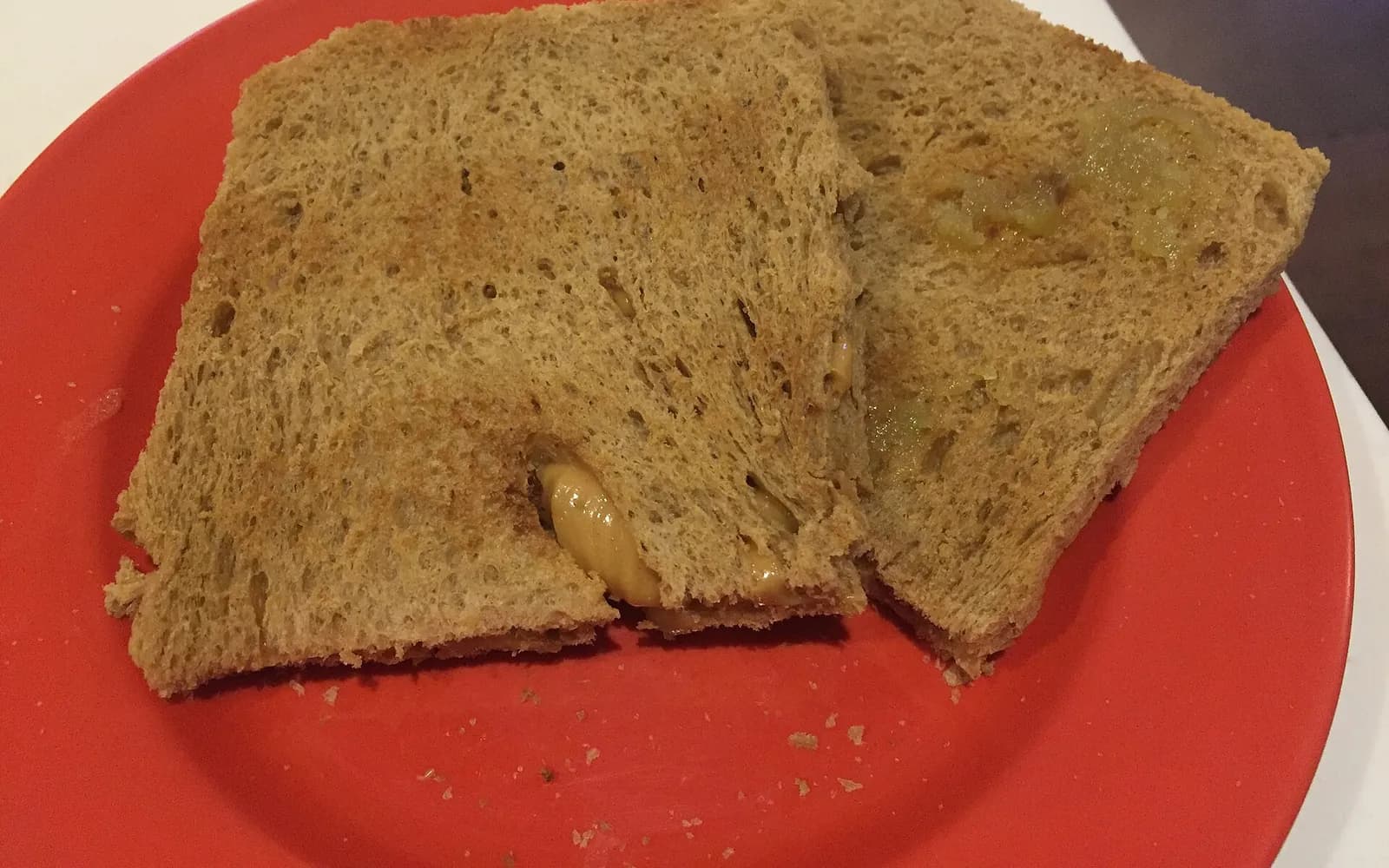
Kopitiams are where many locals eat breakfast, grab a cheap lunch or meet friends over coffee. You will find them on the ground floor of public housing blocks, in old shophouses and in neighbourhood centres. They are also the home of the classic breakfast in our Kaya Toast and Local Breakfast guides.
How a kopitiam is set up
Most kopitiams follow the same model. The owner, or the main operator, runs the drinks counter. It sells kopi, tea, soft drinks and sometimes toast and eggs. The rest of the space is rented out to separate food stalls.
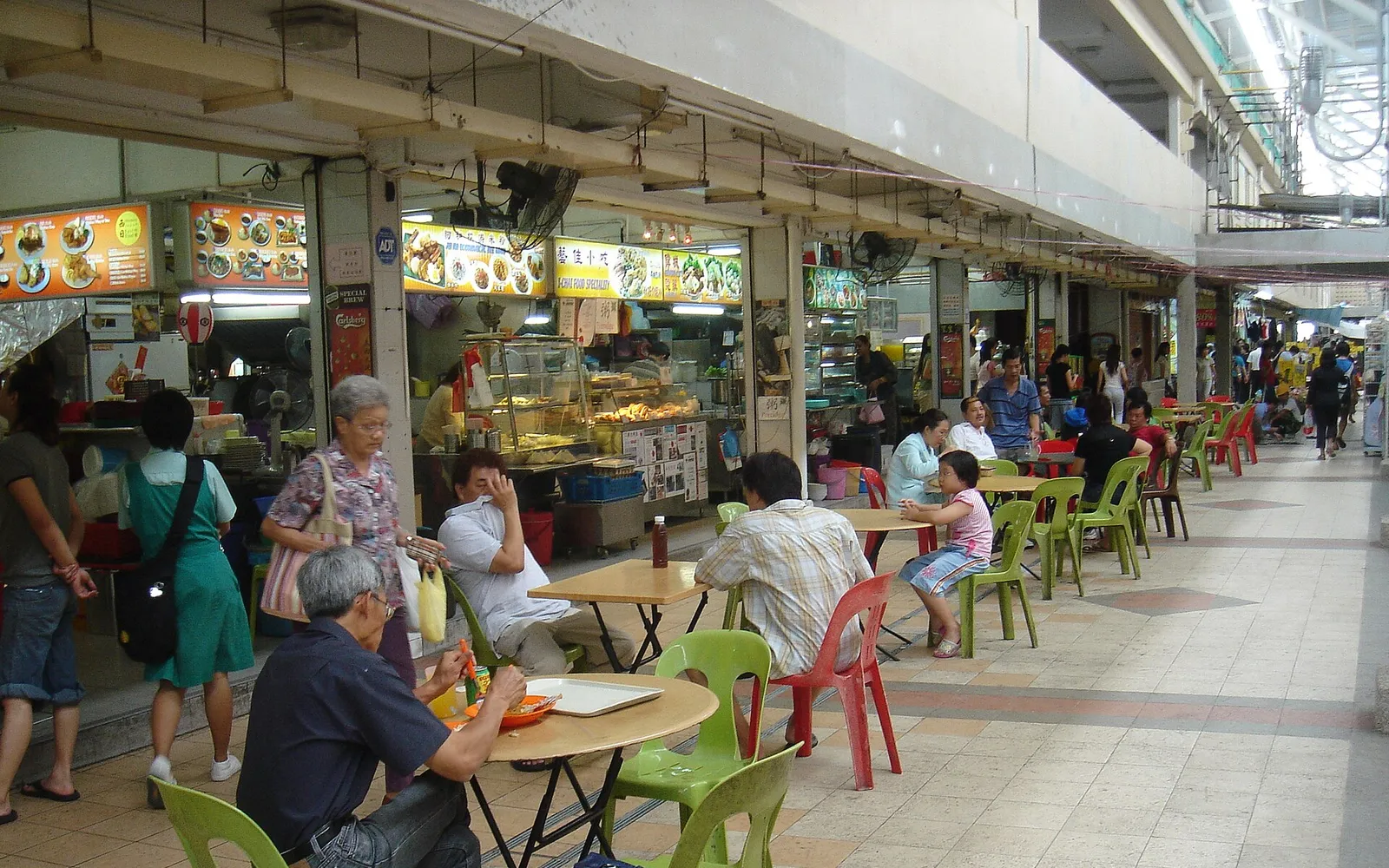
Each food stall cooks one kind of food. A typical coffee shop might have:
- A chicken rice or roast meat stall
- A noodle stall, such as fishball noodles or wanton mee
- An economy rice stall, with many cooked dishes to pick from
- A zi char stall, which cooks dishes to order for groups
- Sometimes a Malay or Indian food stall
You order and pay at each stall on its own. Drinks come from the drinks counter. Learn the drink terms in our guide on how to order kopi. For a filling, low-cost lunch, see how to order economy rice.
What a kopitiam looks and feels like
Expect simple tables, plastic or wooden stools, and ceiling fans instead of air conditioning. Older shops may have marble-topped tables, tiled floors and wooden chairs. Tables are shared, and sitting with strangers is normal at busy times.
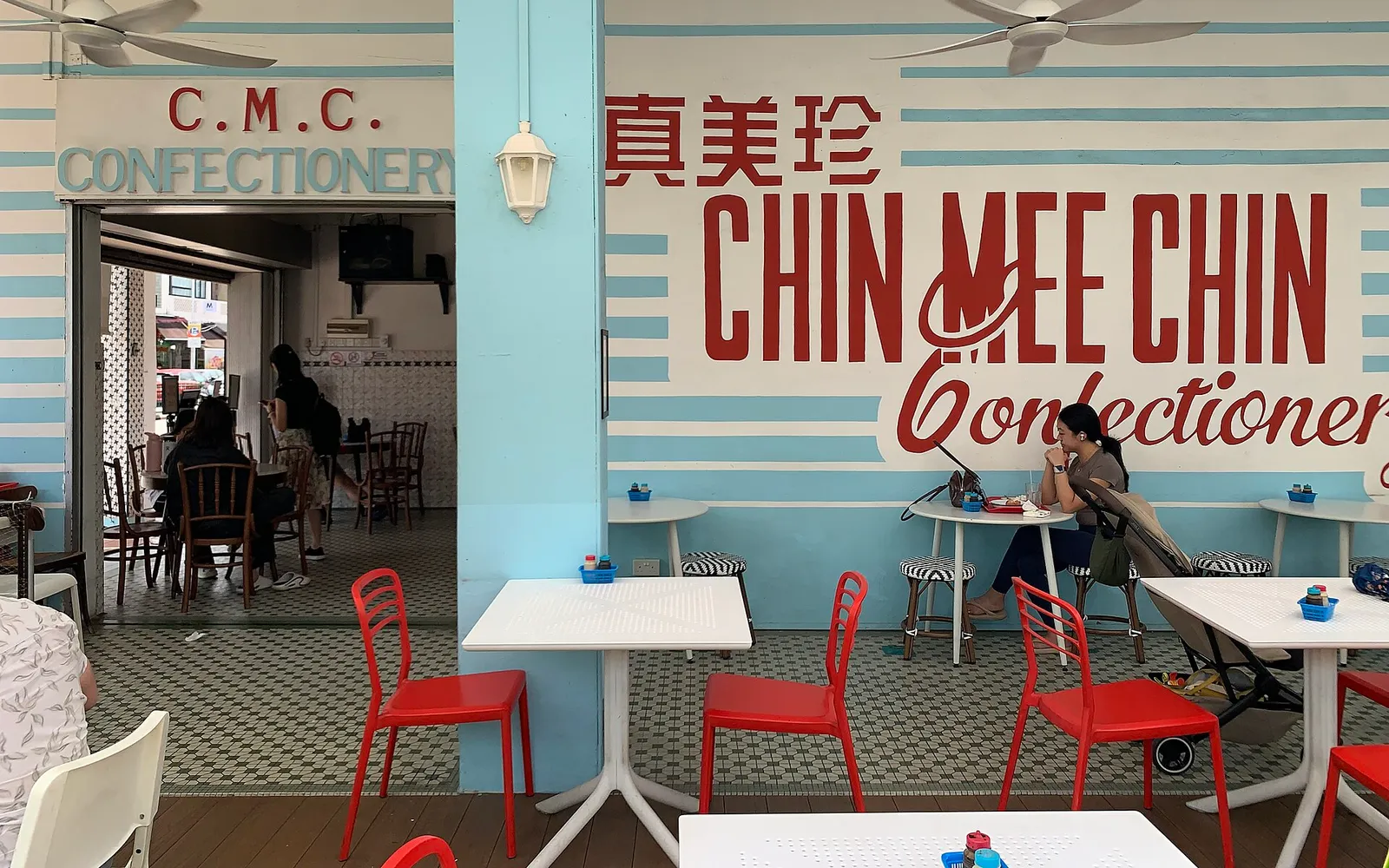
The mood is casual and a bit noisy. People read the news, chat over kopi, or eat fast and leave. Many kopitiams open early in the morning, and some stay open late. Check opening hours before you go.
Old-style shops and modern chains
Old-style kopitiams keep the look of the past, with tiled walls and old signboards. Modern chains bring the same idea into malls and office areas, often with air conditioning and a fixed menu. Killiney Kopitiam and Ya Kun Kaya Toast (Far East Square) are well-known names for kaya toast and kopi in this style.
Kopitiam vs café vs hawker centre
Visitors often mix up these three. Here is a quick way to tell them apart.
Kopitiam vs café
- Coffee: a kopitiam serves local kopi brewed in a cloth filter. A café serves espresso drinks such as lattes and flat whites.
- Food: a kopitiam has several hawker-style stalls. A café has one kitchen with brunch, cakes and sandwiches.
- Price: kopitiam meals and drinks usually cost much less.
- Setting: kopitiams are open-air with fans. Cafés are usually air-conditioned and better for working on a laptop.
For café picks, try Common Man Coffee Roasters or browse our Cafés and Coffee guides.
Kopitiam vs hawker centre
A hawker centre is much bigger, often with dozens of stalls. Most are public food centres built by the government. A kopitiam is a privately run coffee shop with a handful of stalls. The food is similar, though coffee shop prices can be a little higher. Read what is a hawker centre for the full picture. Large ones such as Tiong Bahru Market are worth a visit too.
How to eat at a kopitiam
The routine is easy once you have done it once. Follow these steps:
- Find a free seat. At busy times, locals reserve a table by leaving a tissue packet on it. This is called chope.
- Walk past the stalls and see what looks good.
- Order and pay at each stall. Some bring the food to you, so tell them your table number.
- Order drinks at the drinks counter.
- When you finish, return your tray and dishes to the tray return point.
For more on manners, read our hawker centre etiquette rules. Most of them apply in coffee shops too.
FAQs about kopitiams
What does kopitiam mean?
It joins kopi, the Malay word for coffee, with tiam, the Hokkien word for shop. Together it means coffee shop.
Is a kopitiam the same as a food court?
Not quite. Food courts are usually air-conditioned and inside malls. Kopitiams are smaller, often open-air and found in neighbourhoods. A food court chain also uses the name Kopitiam, which can confuse visitors.
Can I pay by card at a kopitiam?
Some stalls accept cards or QR payment, but not all. Carry some cash in small notes to be safe.
Is kopitiam food halal?
Some stalls are halal-certified, but many kopitiam stalls serve pork. Look for the MUIS halal certificate shown at each stall before you order.
Do I need to tip at a kopitiam?
No. Tipping is not expected at kopitiams or hawker stalls.