

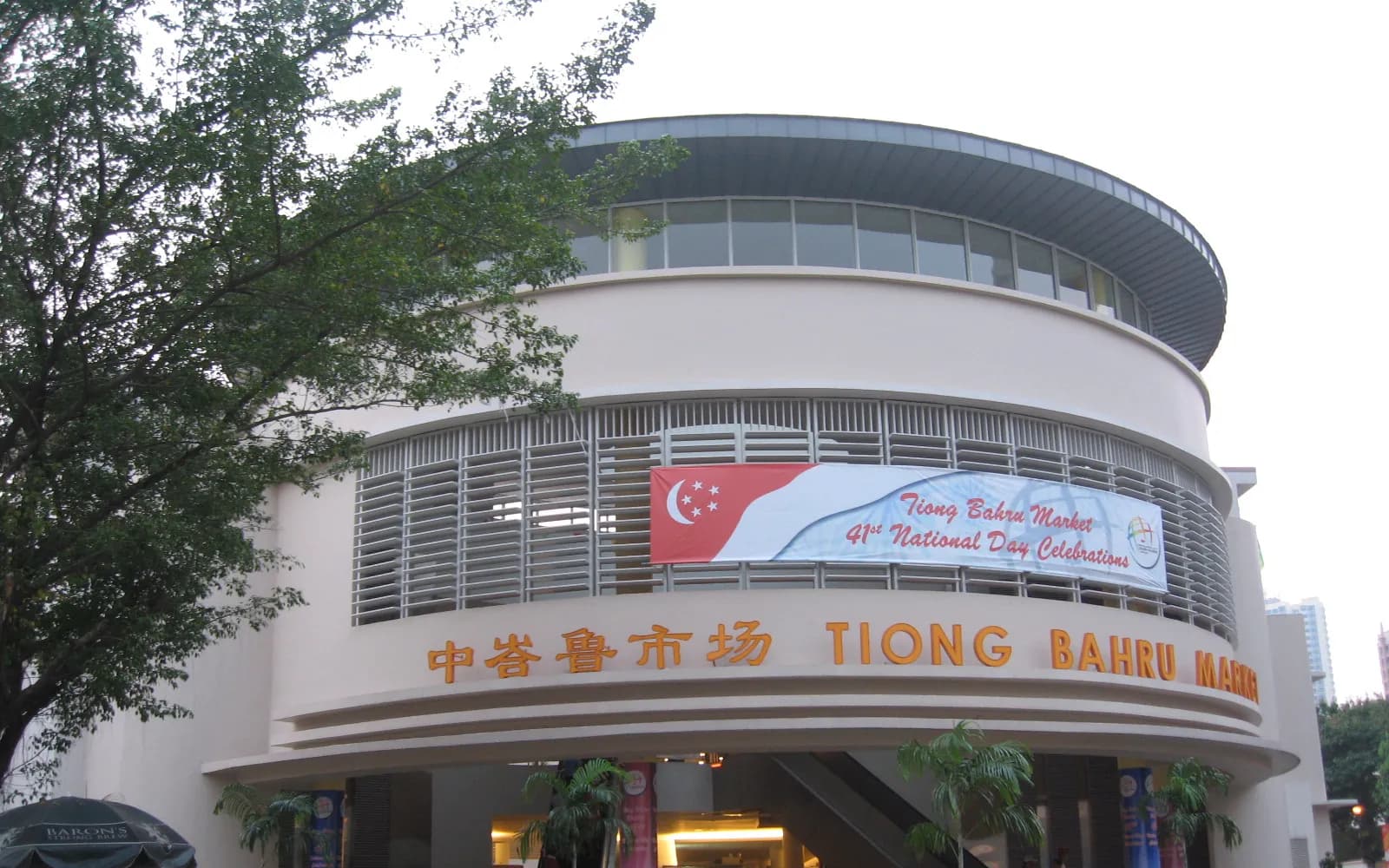
Tiong Bahru is one of Singapore's oldest public housing estates, and one of its most charming. Its low, curved apartment blocks were built in the 1930s and still look much as they did then. Today the estate mixes old coffee shops with bakeries, small shops and a much-loved market. This Tiong Bahru heritage walk takes about two hours and needs no guide, just comfortable shoes and an appetite.
Why Tiong Bahru is special
The estate was built by the Singapore Improvement Trust, the government body that housed people before the Housing and Development Board. The blocks are in a streamlined art deco style, with rounded corners, long balconies and spiral staircases at the back. Many streets are named after Chinese pioneers of early Singapore. Because the blocks are only a few storeys high, the estate feels quiet and human-sized, a rare thing in a city of towers.
Before you go
- Getting there: take the MRT to Tiong Bahru station on the East-West Line, then walk about 10 minutes.
- Best time: morning, when the market is busy and the air is cooler.
- Time needed: about two hours, including a meal.
- Bring: water, a hat and some cash for the market.
Tiong Bahru heritage walk: the route
Stop 1: Tiong Bahru Market
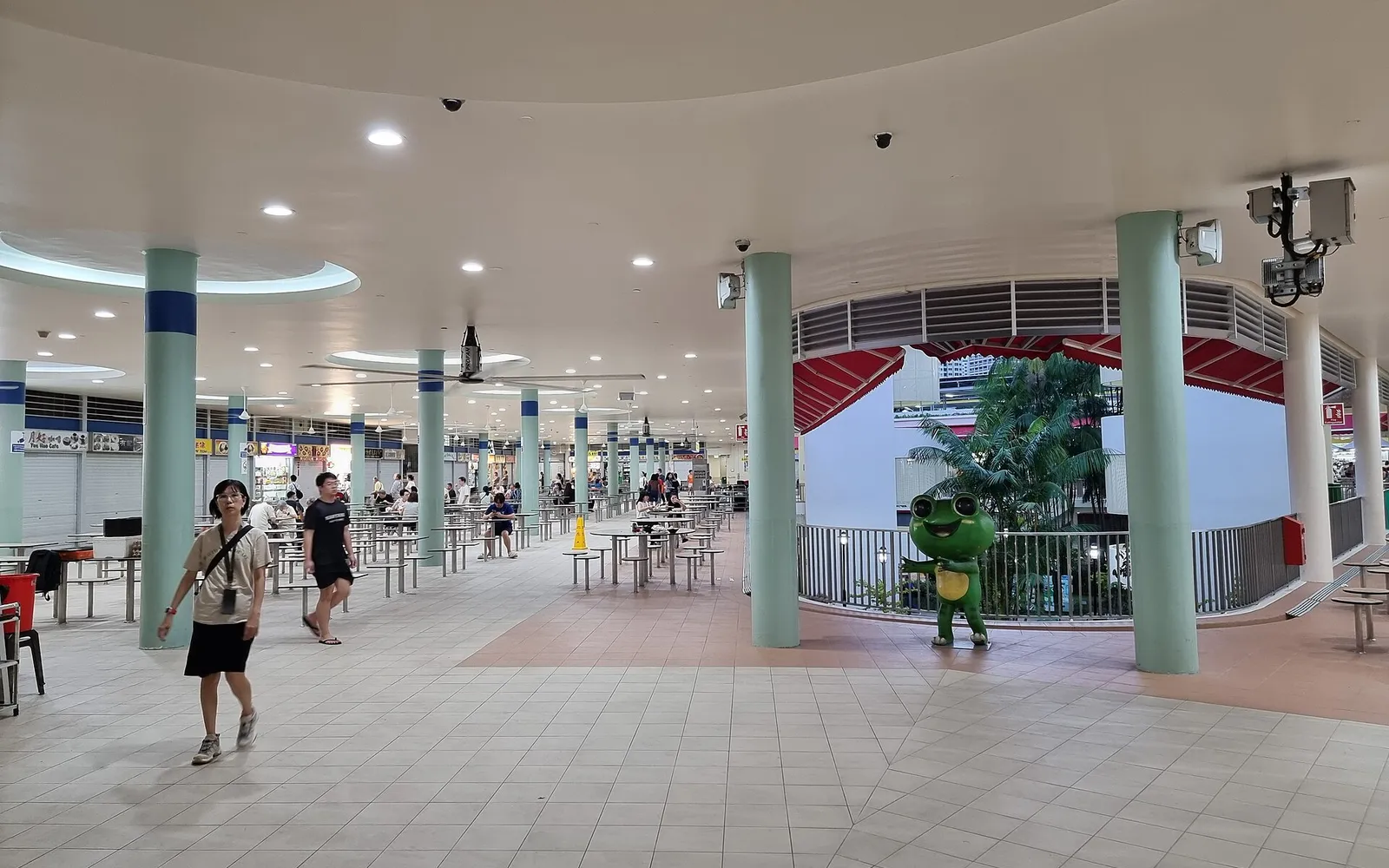
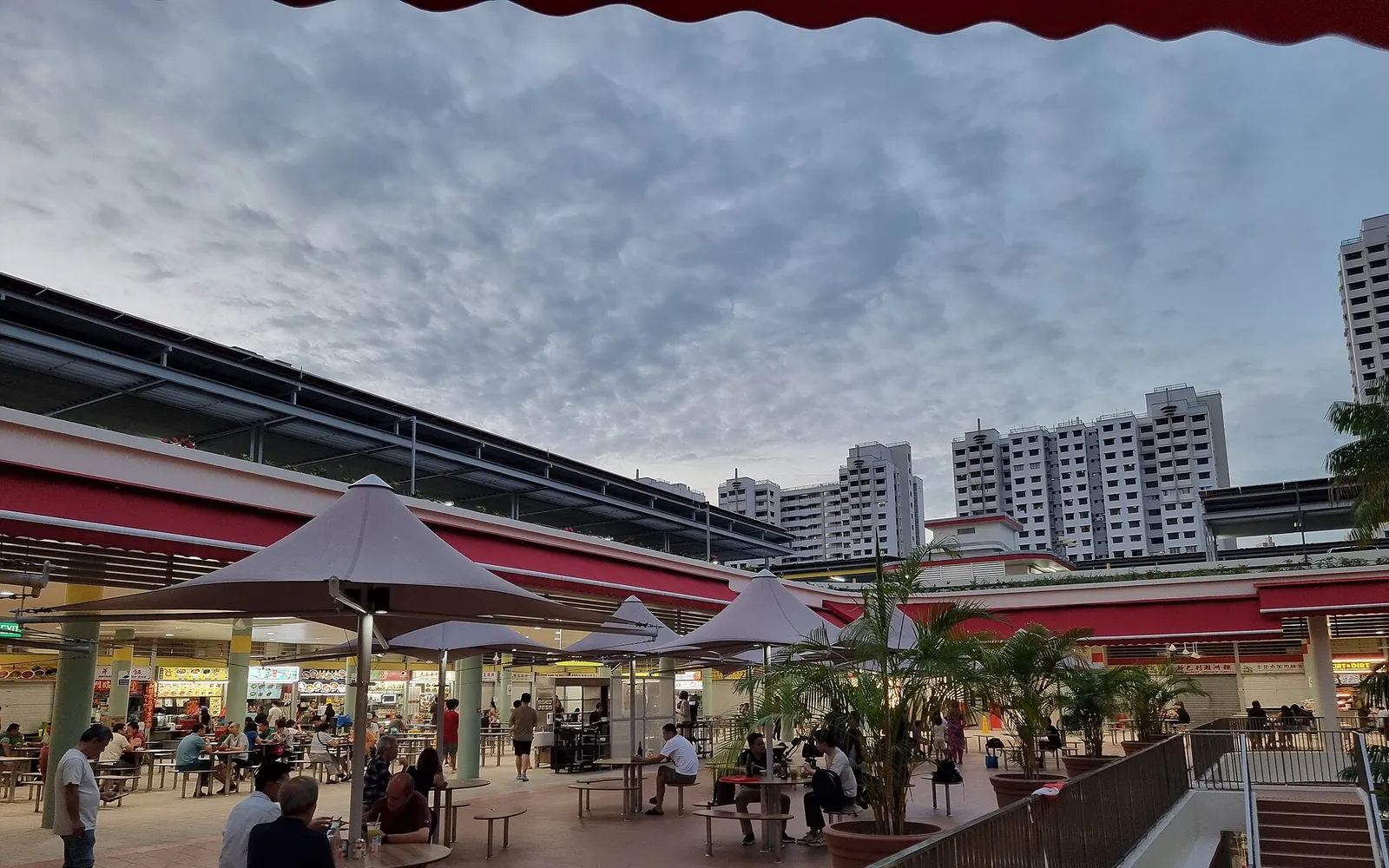
Start at Tiong Bahru Market on Seng Poh Road. The ground floor is a wet market selling fish, meat, fruit and flowers. Upstairs is a food centre that locals rate highly for breakfast. Try chwee kueh (steamed rice cakes with preserved radish) or a bowl of noodles, and order a kopi from the drinks stall.
Stop 2: Qi Tian Gong Temple
Walk a few minutes to Qi Tian Gong on Eng Hoon Street, a small temple dedicated to the Monkey God and much loved by people in the neighbourhood. Visitors are welcome, but dress modestly and keep your voice low.
Stop 3: The art deco blocks
Wander along Eng Hoon Street, Moh Guan Terrace and Guan Chuan Street to see the classic pre-war blocks. Look up at the curved balconies and round windows, and peek at the spiral staircases behind the buildings. Remember that these are homes, so be quiet and do not go up the stairs.
Stop 4: The murals
Local artist Yip Yew Chong has painted murals in the estate that show everyday life in old Singapore, such as markets, fortune tellers and family homes. They are fun to find and make great photos.
Stop 5: Bakeries and cafés
Finish with coffee and pastries on Yong Siak Street or Eng Hoon Street. Tiong Bahru is known for its bakeries and small independent shops, so it is a good place for a slow end to the walk.
Where to eat in Tiong Bahru
The market food centre is the best value, with breakfast for a few dollars. If you prefer to sit down, the cafés around Yong Siak Street serve brunch and good coffee. For more ideas, see our list of restaurants in Tiong Bahru & Alexandra and our guide to Singapore's local breakfast.
Tips for a respectful visit
- Keep noise down: people live in these blocks.
- Ask before taking photos of people or their homes.
- Return your tray at the market, following hawker centre etiquette.
- Do not block walkways when you stop for photos.
FAQs about the Tiong Bahru heritage walk
How long does the Tiong Bahru heritage walk take?
About two hours at an easy pace, including a stop to eat at the market.
Is Tiong Bahru worth visiting?
Yes. It is one of the few places in Singapore where pre-war housing, local food and independent shops sit side by side in a small, walkable area.
Which MRT station is closest to Tiong Bahru?
Tiong Bahru station on the East-West Line. The market is about a 10-minute walk away.
What is the best time to visit Tiong Bahru?
Weekday mornings are best. The market is lively, the weather is cooler and it is easier to find a seat.
Read more in our Tiong Bahru guides.

