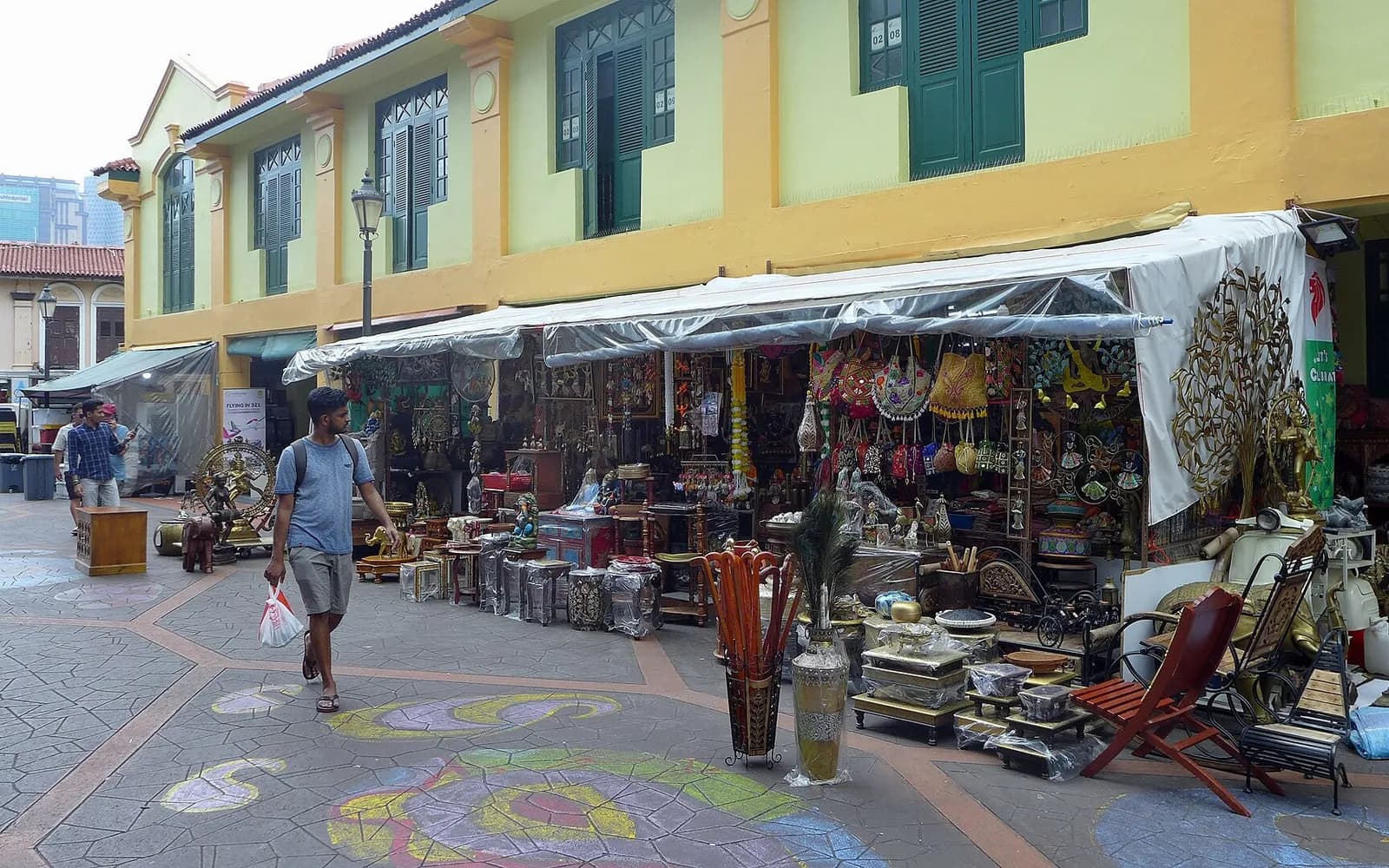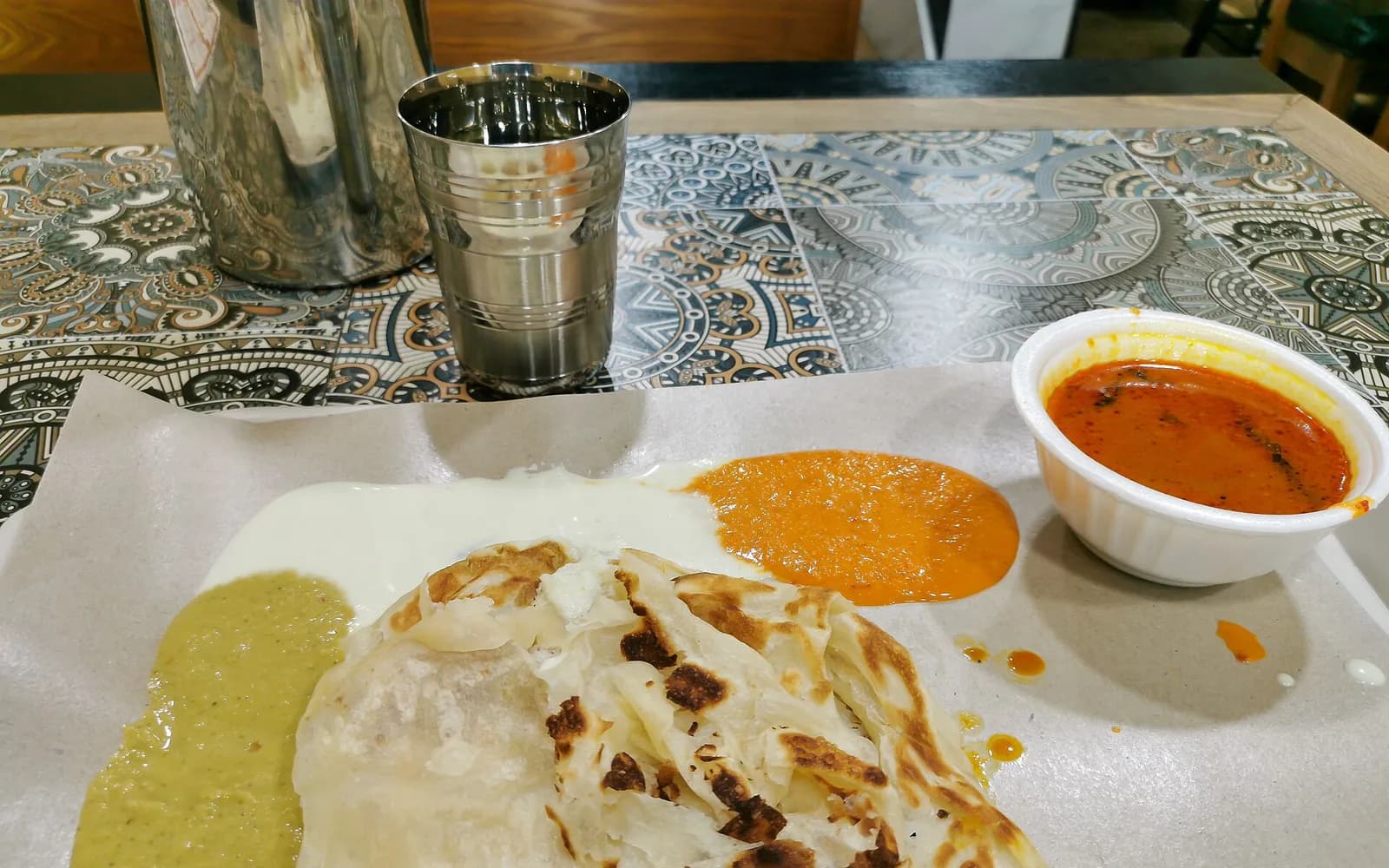

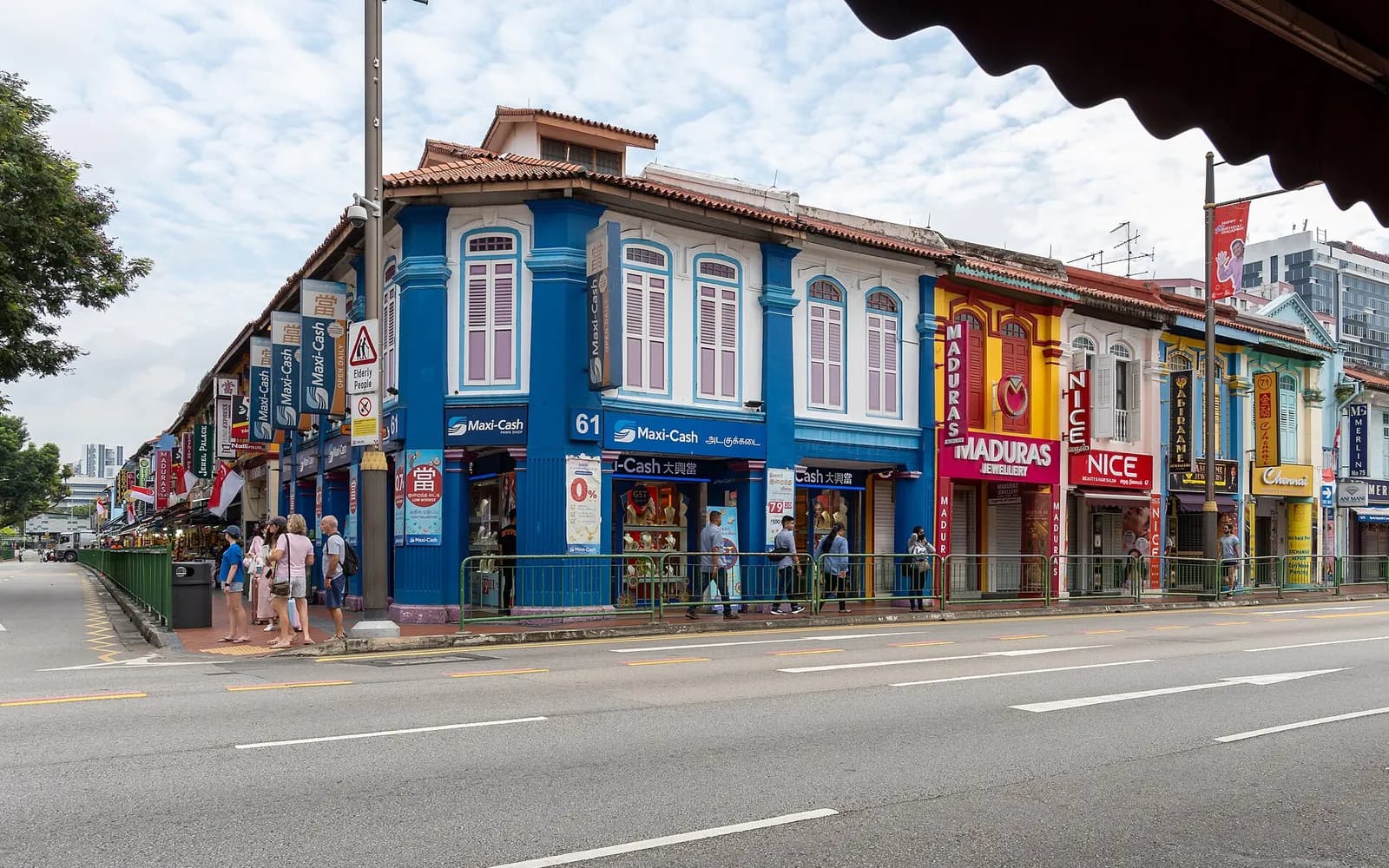
The history of Little India Singapore starts with cattle, not shops. In the 1800s, the low, wet land along Serangoon Road held brick kilns, cattle pens and later a racecourse. Indian workers settled nearby, and over time the area became the centre of Singapore's Indian community.
You can still read that story in the street names, the temples and the old shophouses. This guide explains what to look for as you walk around.
Early days: a road, a river and brick kilns
Serangoon Road is one of the oldest roads in Singapore. It ran north from the town towards the Serangoon area. The land beside it was low and swampy, close to the Rochor River.
In the early years of British Singapore, brick kilns were set up in this area. Their bricks helped build the growing town. Indian workers came to work in the kilns and in other trades nearby, and many began to live close by.
Cattle yards and buffalo roads
The grassland and the river suited cattle. Through the 1800s, cattle and buffalo were kept and traded here. Many of the people in this trade were Indian, and it drew more Indian settlers to the area.
The old trade lives on in names on the map:
- Kerbau Road: kerbau is the Malay word for buffalo.
- Buffalo Road: the same idea, in English.
- Kandang Kerbau: an old Malay name for the area, meaning buffalo pen. It lives on in the name of KK Women's and Children's Hospital nearby.
As the town grew, the cattle trade moved out. Shophouses, homes and small businesses took over the land.
The racecourse at Farrer Park
In the mid-1800s, a horse racing course was laid out on open ground at the northern edge of the area. This is how Race Course Road got its name. The site is now Farrer Park, and horse racing later moved away to Bukit Timah.
Today, Race Course Road is better known for temples and food. It has Chinese and Buddhist temples such as Leong San See Temple. It also has Indian restaurants such as Muthu's Curry on Race Course Road.
Temples and mosques
As the Indian community grew, it built places of worship. Sri Veeramakaliamman Temple on Serangoon Road has its roots in the 1800s, when Indian labourers worshipped there. Sri Srinivasa Perumal Temple, further up the road, also dates from that century. Mosques were built too, such as Abdul Gafoor Mosque on Dunlop Street.
If you plan to visit the temples, read our guide to Little India temple etiquette first.
A mixed community
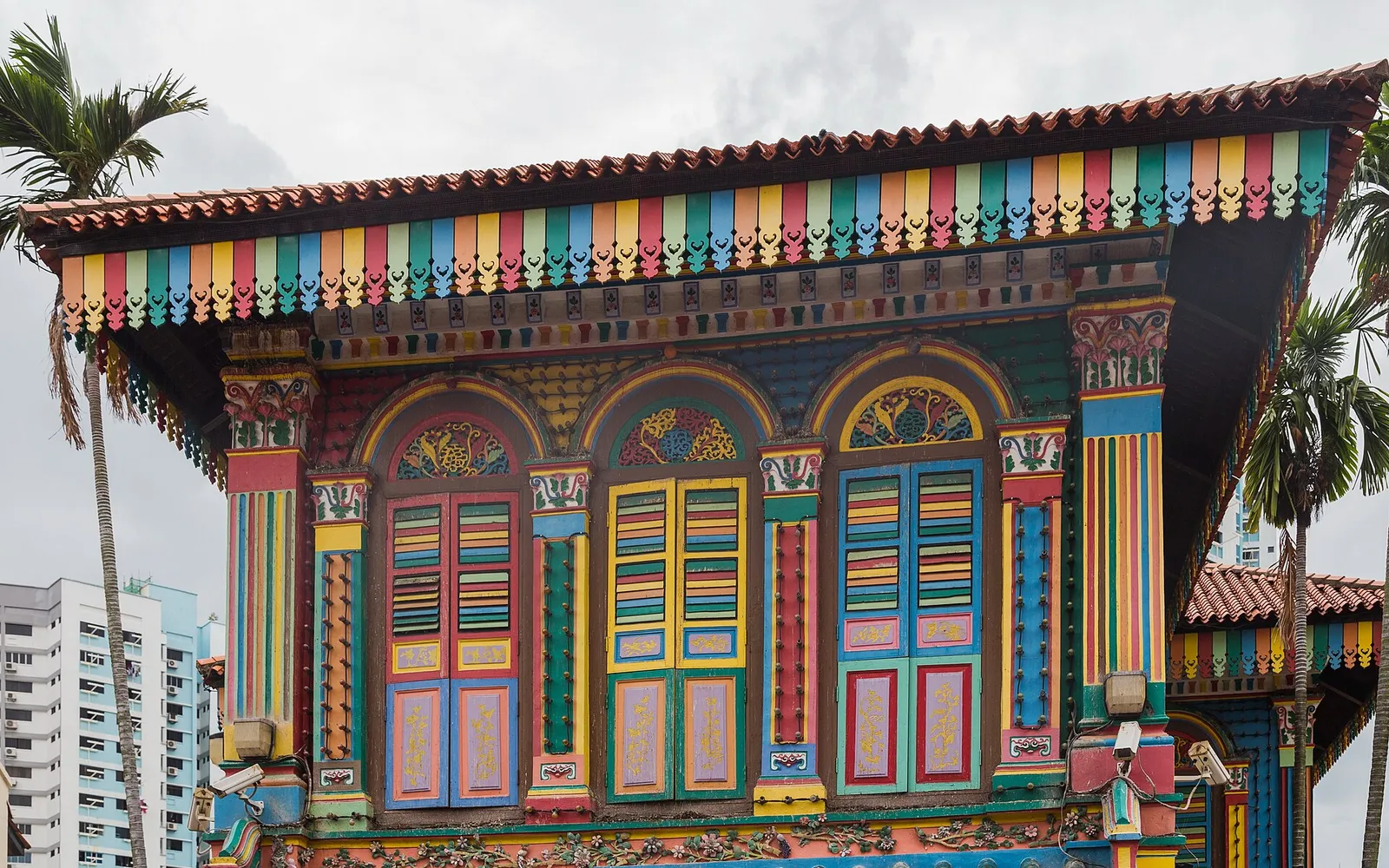
The area was never only Indian. Chinese families lived and worked here too. The brightly painted House of Tan Teng Niah on Kerbau Road was built for a Chinese businessman. Chinese temples still stand on Race Course Road. This mix of cultures is still part of the area today.
From Tekka market to a conserved district
The area around the old market has long been known as Tekka. The name comes from Hokkien words meaning foot of the bamboo, after bamboo that once grew along the canal. The market at the heart of the area is now Tekka Centre. It has a wet market, hawker stalls and clothing shops under one roof.
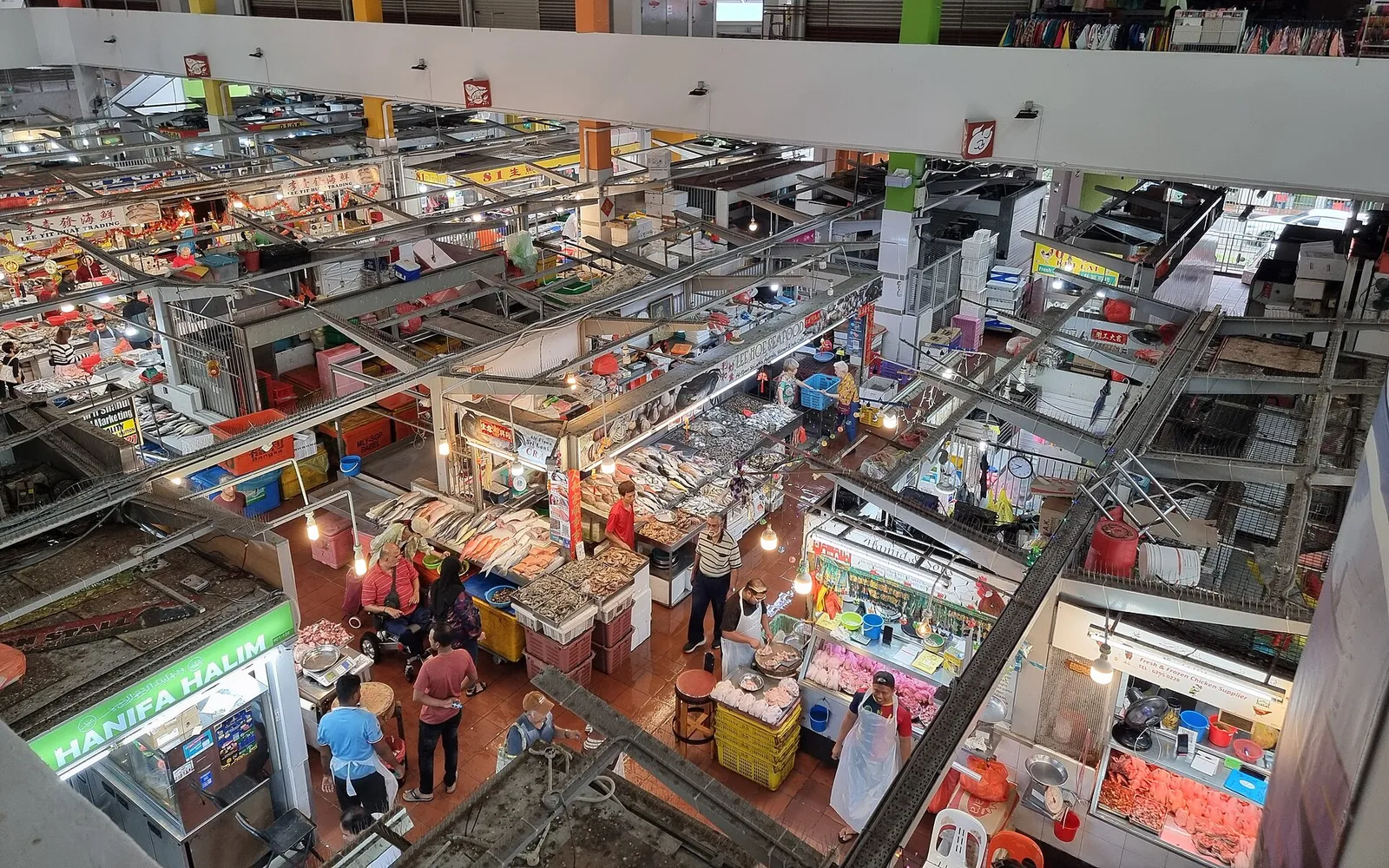
In the late twentieth century, much of Little India became a conservation area. This meant many shophouses were restored instead of being torn down. The Little India Arcade on Serangoon Road is one example.
Little India today
Today, Little India is a busy shopping and food district and a centre of Indian culture in Singapore. Serangoon Road is lit up each year for Deepavali, the festival of lights. The streets are busiest at weekends, when people come to shop, eat and meet friends.
The Indian Heritage Centre on Campbell Lane tells the wider story of Indians in Singapore and the region. It is a good first stop before you explore. For a full overview of the area, see our Little India things-to-do page.
Trying to decide where to stay? Our comparison of Chinatown or Little India can help. More area guides are on our Little India page.
FAQs about the history of Little India
Why is it called Little India?
The area grew into the main place where Indian migrants lived, worked and worshipped. The name reflects that community.
What was Little India before?
It was low, swampy land used for brick kilns and cattle pens, with a horse racing course at its northern edge.
What does Tekka mean?
Tekka comes from Hokkien words meaning foot of the bamboo, after bamboo that grew by the canal.
Is Little India a conservation area?
Yes, much of it is. Many of its shophouses are protected, so they are restored rather than torn down.