

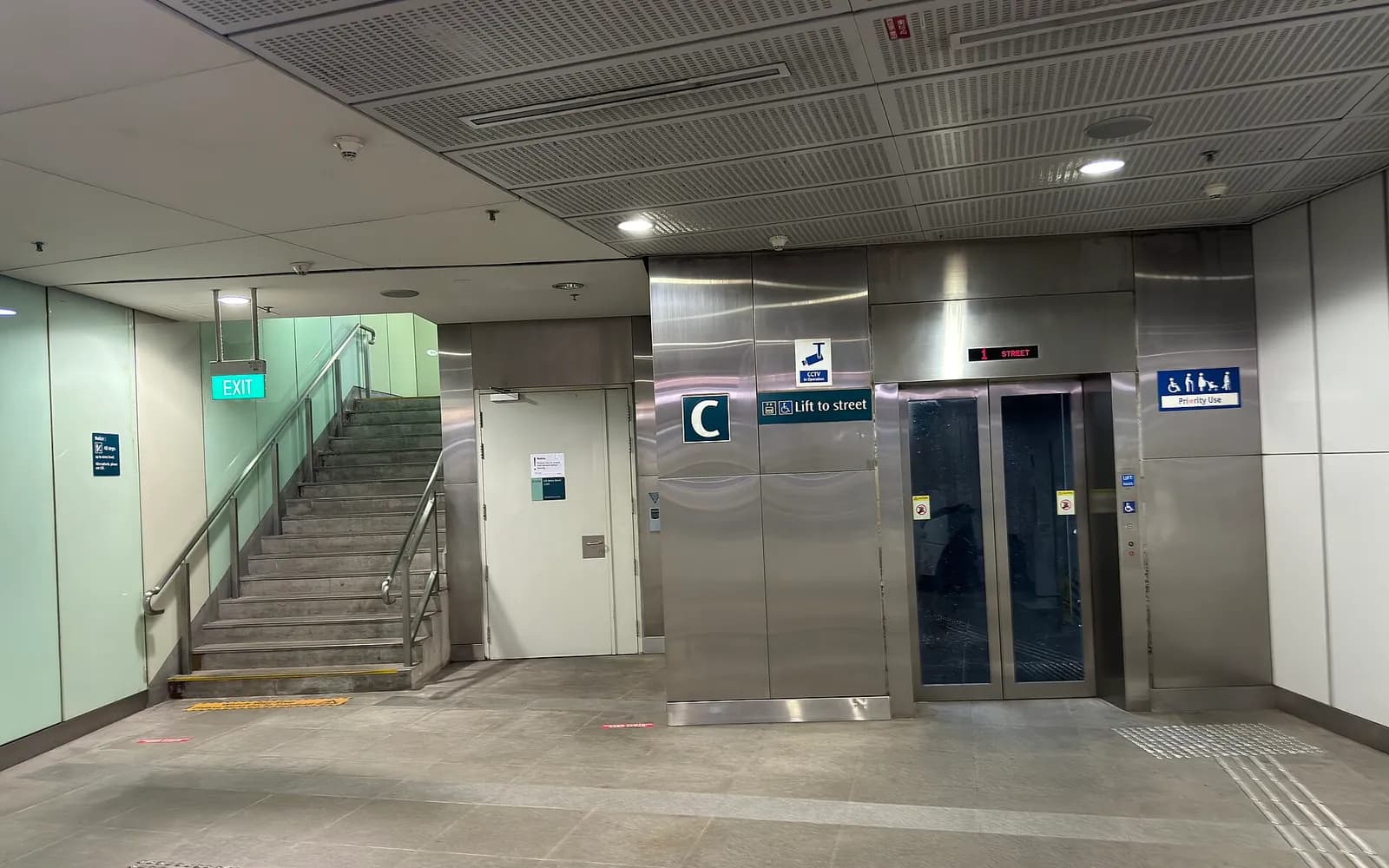
Photo: LN9267, CC BY-SA 4.0, cropped
Travel Tips
Accessible Travel Guides
Step-free routes, accessible attractions and hotels for travellers with limited mobility.
This page is about accessible travel in Singapore. It is for visitors who use a wheelchair, walk with a stick, push a pram or tire easily in the heat. The guide below covers step-free trains and buses, taxis, the airport, attractions and hotels. Use it to plan your routes and to ask the right questions before you book.
Plan it with EatStays: Top Attractions.
New guides are on the way. Browse Travel Tips →
Accessible travel in Singapore: what to expect
Accessible travel in Singapore is often easier than visitors expect. The city is compact, modern and mostly flat. Most newer buildings, malls and transport hubs have lifts, ramps and accessible toilets. Pavements in central areas are generally wide and smooth, with kerb ramps at crossings.
There are still a few challenges. The heat and humidity can be tiring, and sudden rain is common. In areas such as Chinatown and Kampong Glam, shophouses (old two- or three-storey terraced buildings) front onto a covered walkway called a five-foot way. These walkways often have steps or changes in level between shops.
Getting around: trains, buses and taxis
MRT trains
The MRT, Singapore's metro, is the easiest way to get around. Every station has at least one step-free entrance with a lift to the platform. Stations also have accessible toilets and tactile guide paths for people with low vision. Trains have marked spaces for wheelchairs, and platform screen doors make the edge safer. The gap between train and platform is usually small, but take care when boarding.
Plan your route with a maps app, as the lift is not always at the nearest exit. How to Use the MRT in Singapore: A Tourist Guide explains tickets and payment.
Public buses
Singapore's public buses are wheelchair-accessible, with low floors and a ramp. Let the bus captain (the driver) know that you need the ramp.
Taxis and ride-hailing
Standard taxis can usually fit a folding wheelchair in the boot. Some taxi firms and ride-hailing apps also offer larger or wheelchair-accessible vehicles, but numbers are limited. Book these well ahead, especially for airport trips. See Getting Around for more on transport.
Arriving at Changi Airport
Changi Airport is well set up for travellers with limited mobility. Ask your airline for wheelchair help when you book, and confirm it before you fly. Staff can then meet you at the aircraft and take you through immigration to the arrival hall. The terminals have lifts, accessible toilets and step-free links. Jewel Changi Airport, the garden and shopping complex next to Terminal 1, is easy to explore by lift. Our Changi Airport page has more airport tips.
Accessible attractions and places to visit
Many of Singapore's best-known sights are modern and easy to reach. Good places to start include:
- Gardens by the Bay has wide, paved paths. Its two cooled glass domes are a welcome break from the heat.
- National Gallery Singapore and the National Museum of Singapore are large, air-conditioned museums with lifts.
- ArtScience Museum sits on the Marina Bay waterfront, which has a long, flat promenade.
- Singapore Botanic Gardens has many paved paths, though some parts are sloped.
Other places are harder. Nature walks such as the MacRitchie TreeTop Walk involve long trails on uneven ground. Some older temples and shophouse museums have steps at the entrance. Always check access details on the venue's website before you go. Some large attractions lend or rent wheelchairs, so it is worth asking ahead.
Choosing an accessible hotel
Most large, modern hotels have a few accessible rooms. These often have wider doors, grab rails and a roll-in shower. Numbers are small, so book early and confirm the details directly with the hotel. Useful questions to ask include:
- Is there step-free access from the drop-off point to the lift and the room?
- Does the bathroom have a roll-in shower or a bath?
- How wide is the bathroom door, and how high is the bed?
- How far is the nearest MRT station, and is the route covered?
Small hotels in converted shophouses can be charming, but some have steps and no lift. Browse our 4-Star Hotels, then check access with the hotel. For areas linked to the MRT by sheltered paths, read Singapore Areas With Covered Walkways to the MRT.
Practical tips for travellers with limited mobility
- Go out early in the morning or in the evening, when it is cooler, and rest often.
- Use underground links and air-conditioned malls to stay out of the sun and rain.
- Singapore uses UK-style three-pin plugs, so bring an adapter for chargers. Check your airline's battery rules for powered wheelchairs and scooters.
- Many hawker centres have stools fixed to the tables. Some tables leave space for a wheelchair, so look around before you order. What Is a Hawker Centre? A Plain Guide for Visitors explains how they work.
- Keep emergency numbers handy: 995 for an ambulance and 999 for the police.
FAQs about accessible travel in Singapore
Is Singapore wheelchair-friendly?
Yes, for the most part. MRT stations, public buses, malls and major attractions are generally step-free. Older streets, nature trails and some heritage buildings can be harder.
Are all MRT stations accessible?
Every MRT station has at least one step-free entrance and a lift to the platform. The accessible entrance may not be the closest exit, so follow the station signs.
Can I get wheelchair help at Changi Airport?
Yes. Request it through your airline when you book. Staff can then help you between the aircraft, immigration and the arrival hall.
Can I rent a wheelchair in Singapore?
Yes. Private firms rent wheelchairs and mobility scooters, and some attractions lend wheelchairs on site. Book ahead, especially for longer stays.