


Google rating 4.6 out of 5
Italian
Art di Daniele Sperindio
Italian in City Hall & Clarke Quay, rated 4.6 on Google.
City Hall & Clarke Quay
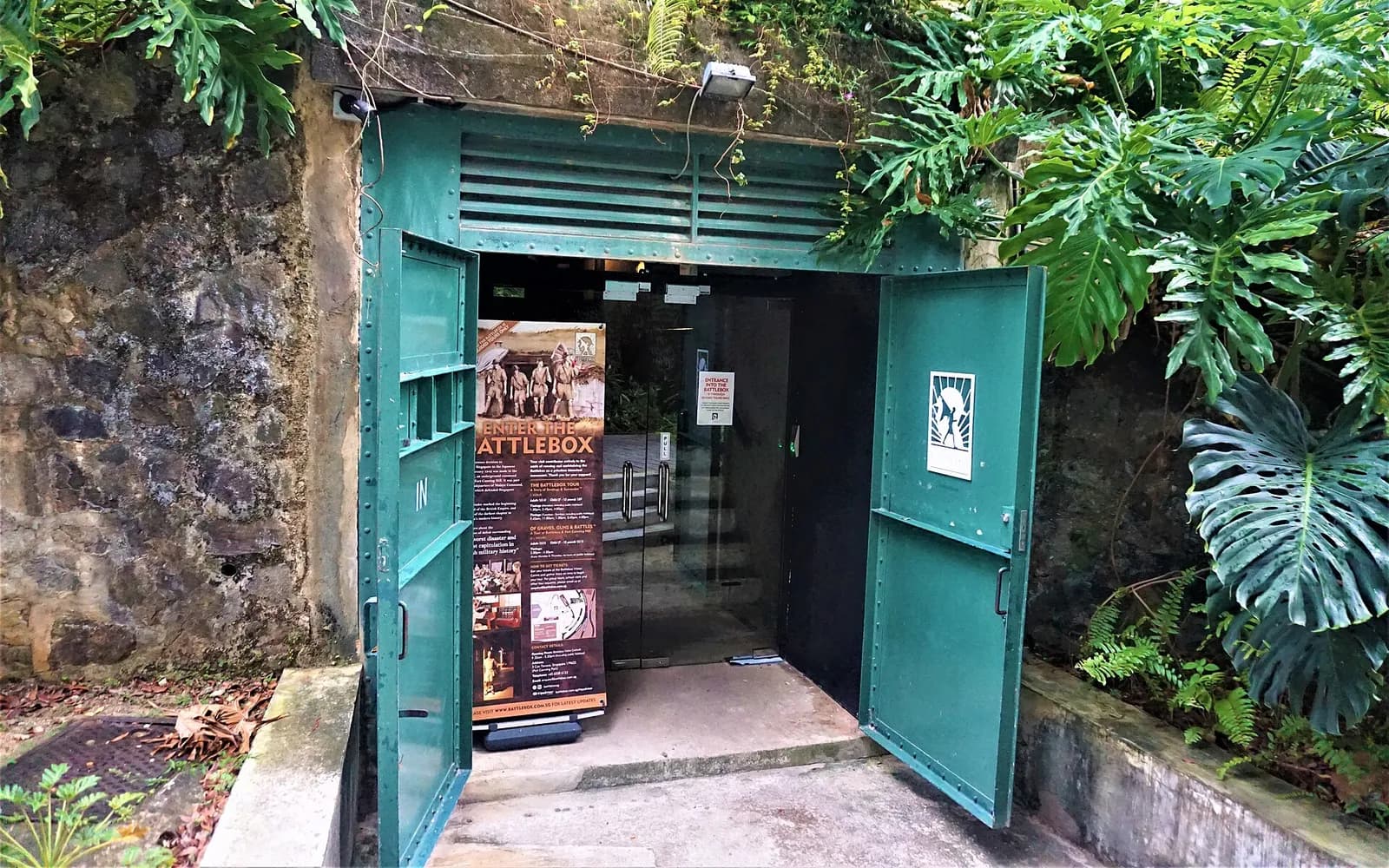
Photo: Joyofmuseums, CC BY-SA 4.0, cropped
Ticketed · City Hall & Clarke Quay
An underground WWII command bunker in Fort Canning Park, where British commanders decided to surrender Singapore in February 1942.
The Battlebox Singapore is an underground bunker beneath Fort Canning Hill, close to the city centre. British commanders used it to run the defence of Malaya and Singapore in the Second World War. In February 1942, they made the decision to surrender Singapore in one of its rooms.
Today the bunker is a museum about those final days of the battle. It is a short and focused visit that suits anyone with an interest in history.
The British built the Battlebox before the war reached Singapore. It was part of the military headquarters on Fort Canning Hill. The rooms lie deep underground, behind thick walls that protected the staff from bombs and shells.
During the Battle of Singapore, officers worked here day and night. They handled messages, followed the fighting and planned the defence of the island. On 15 February 1942, Lieutenant-General Arthur Percival met his senior commanders in the bunker. Water, food and ammunition were running low. The group agreed to surrender to the Japanese forces. The surrender was signed later that day at the Ford factory in Bukit Timah.
The Battlebox opened as a museum in 1997. It is one of the clearest places in Singapore to learn how the island fell. It also helps you understand the Japanese Occupation that followed.
Basic entry is free, but slots are limited, so book ahead. A paid enhanced experience adds an audio guide and two projection rooms. You walk through narrow corridors and learn what happened in each room. The bunker mixes the original spaces with displays and life-size figures.
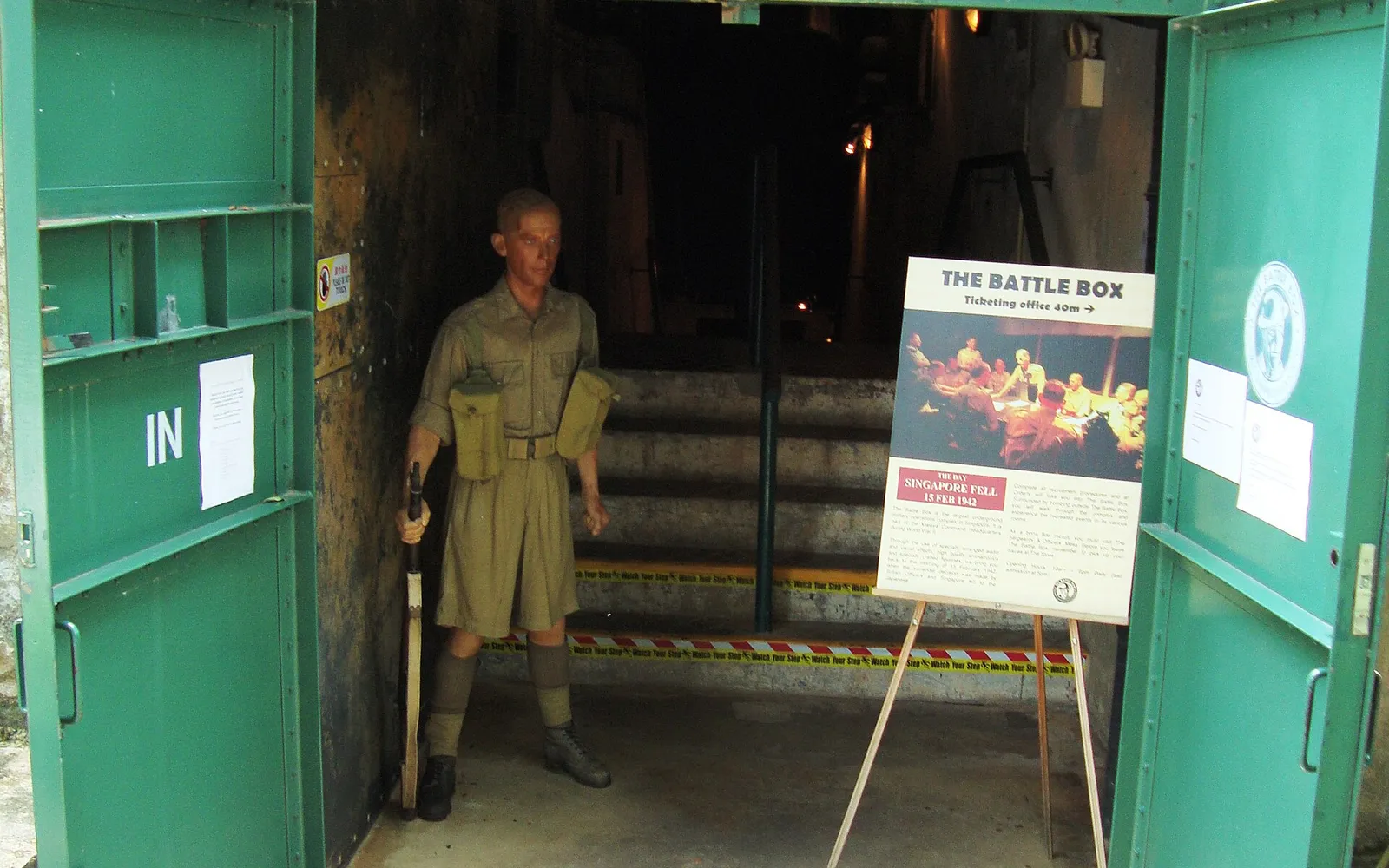
The stories of the people who worked here make the history feel close and human. Organised groups can ask the operator about guided tours.
The Battlebox lies inside Fort Canning Park, a green hill with a long history. Before or after your visit, walk the shaded paths and gardens. Look out for the old fort gate and other remains from the colonial era. The park has wide lawns, large trees and plenty of spots for a rest.
At the foot of the hill stands the National Museum of Singapore. It is a good next stop if you want the wider story of the country. The Peranakan Museum is also a short walk away.
The bunker is in Fort Canning Park, between the Dhoby Ghaut, City Hall and Clarke Quay areas. Dhoby Ghaut and Fort Canning MRT stations are both within walking distance. From either station, expect some slopes or steps up the hill. Our guide on how to use the MRT in Singapore explains how to ride the trains.
Taxis and ride-hailing cars can drop you close to the park. From there, follow the park signs to the Battlebox. Give yourself a few extra minutes, as the hill has several paths and entrances.
The visit is mostly underground, so it is a good choice for a hot or wet day. See our list of rainy day activities for more ideas.
The streets around Fort Canning have plenty of places to eat. National Kitchen by Violet Oon at National Gallery Singapore serves Peranakan and local dishes. For more choice, browse our restaurants in City Hall and Clarke Quay.
If you want to stay close by, Hotel Fort Canning sits inside the park itself. Pullman Singapore Hill Street is near the river. You can compare more hotels in City Hall and Clarke Quay.
After your tour, walk down to Clarke Quay or take a Singapore River Cruise. To follow the wartime story further, visit the Former Ford Factory and the Kranji War Memorial. Our Culture and Heritage section lists more historic sites. Our guide to museums and galleries has even more ideas.
It is underground on Fort Canning Hill, inside Fort Canning Park. The park is close to Dhoby Ghaut, City Hall and Clarke Quay.
It was a British command bunker in the Second World War. On 15 February 1942, commanders met here and decided to surrender Singapore.
Allow about an hour inside the bunker, plus extra time for a walk in the park.
Yes, booking ahead is wise, as entry slots are limited. Check the official website for slots, tickets and audio guide options.
In and around City Hall & Clarke Quay
Italian in City Hall & Clarke Quay, rated 4.6 on Google.
City Hall & Clarke Quay

Modern British in City Hall & Clarke Quay, rated 4.6 on Google.
City Hall & Clarke Quay

French fine dining in City Hall & Clarke Quay, rated 4.6 on Google.
City Hall & Clarke Quay

Peranakan in City Hall & Clarke Quay, rated 4.4 on Google.
City Hall & Clarke Quay

Steakhouse in City Hall & Clarke Quay, rated 4.4 on Google.
City Hall & Clarke Quay
In and around City Hall & Clarke Quay

5-star in City Hall & Clarke Quay, rated 4.6 on Google.
City Hall & Clarke Quay
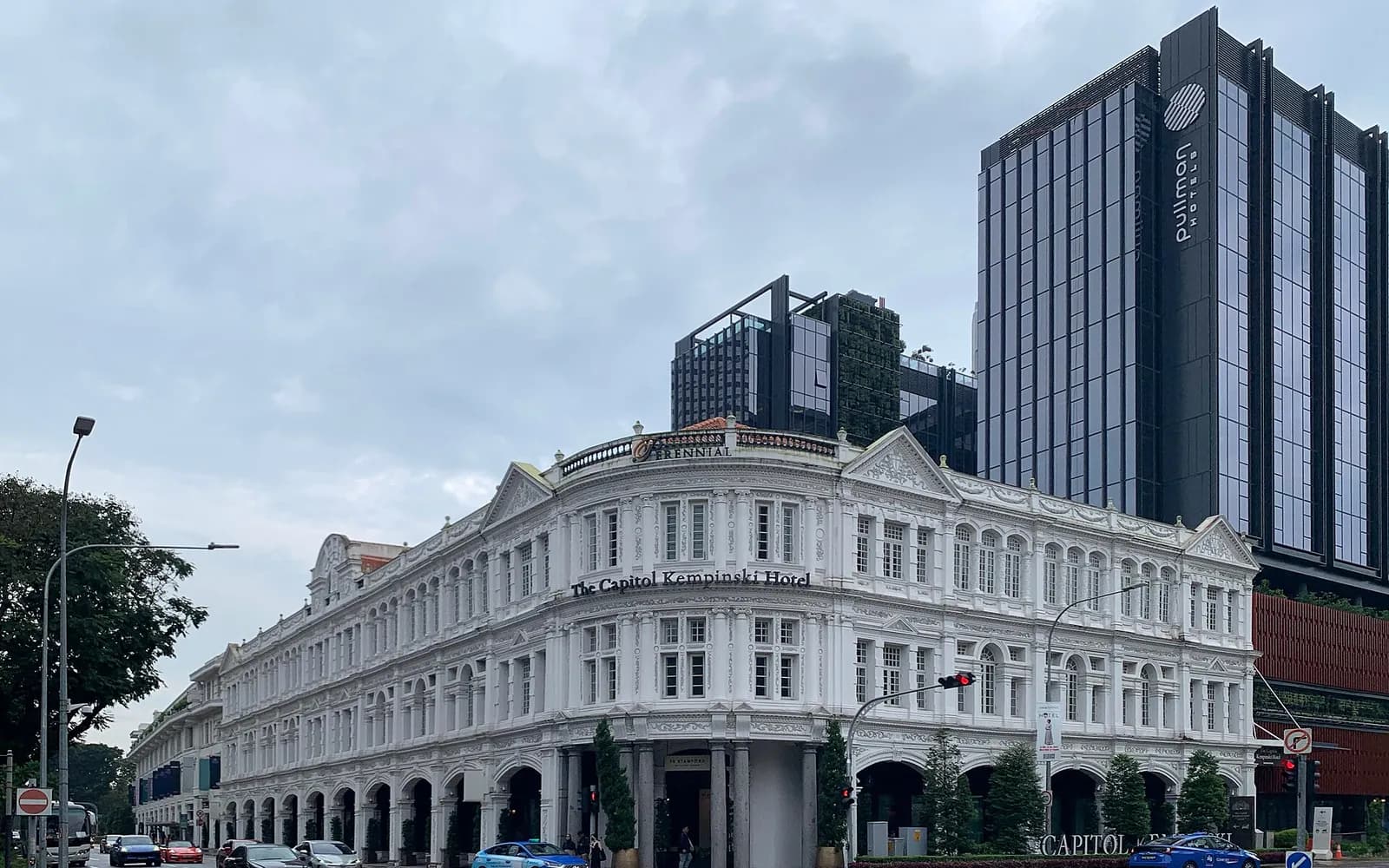
5-star in City Hall & Clarke Quay, rated 4.6 on Google.
City Hall & Clarke Quay
Co-living in City Hall & Clarke Quay, rated 4.5 on Google.
City Hall & Clarke Quay
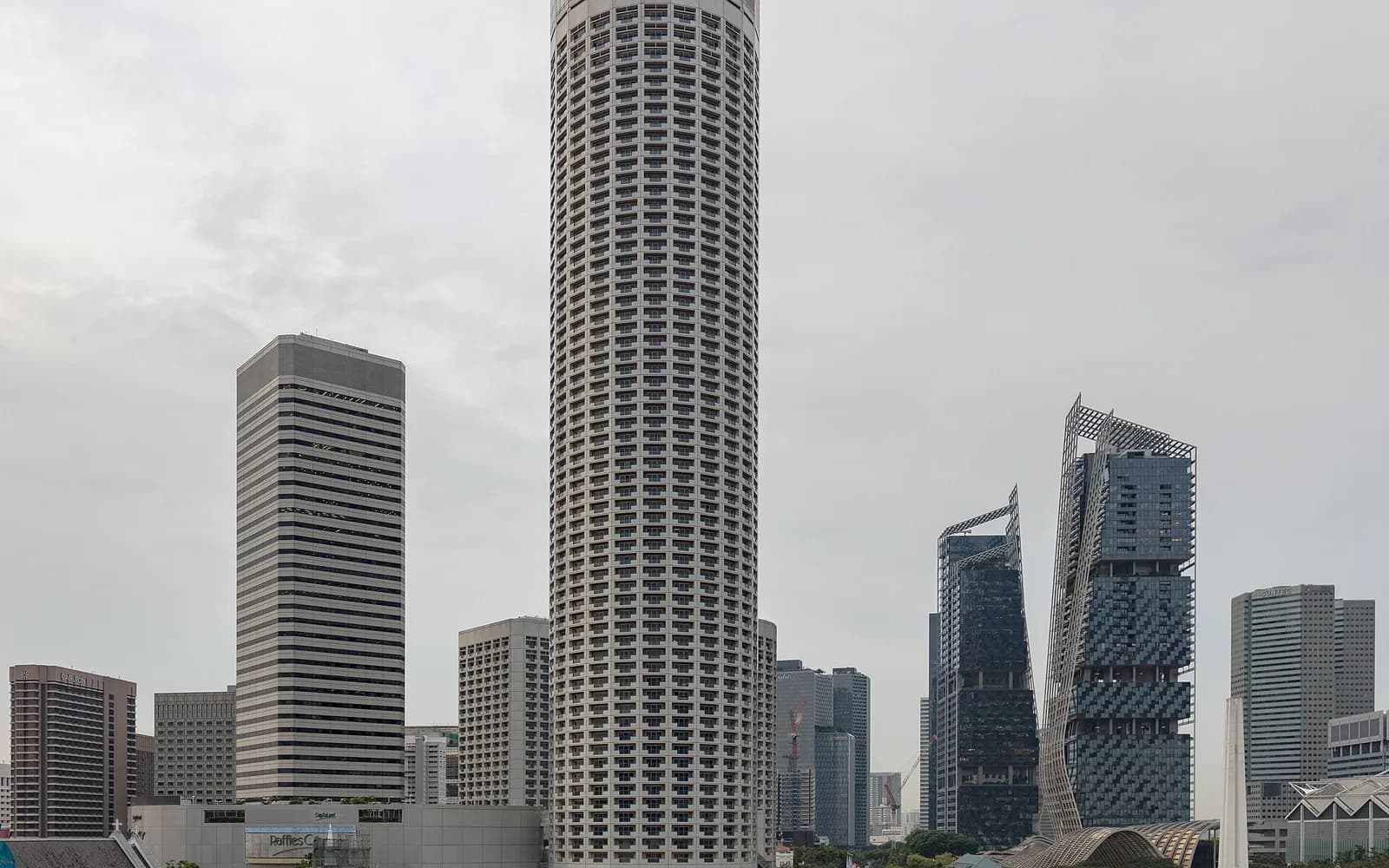
5-star in City Hall & Clarke Quay, rated 4.5 on Google.
City Hall & Clarke Quay

Boutique in City Hall & Clarke Quay, rated 4.4 on Google.
City Hall & Clarke Quay
Keep exploring
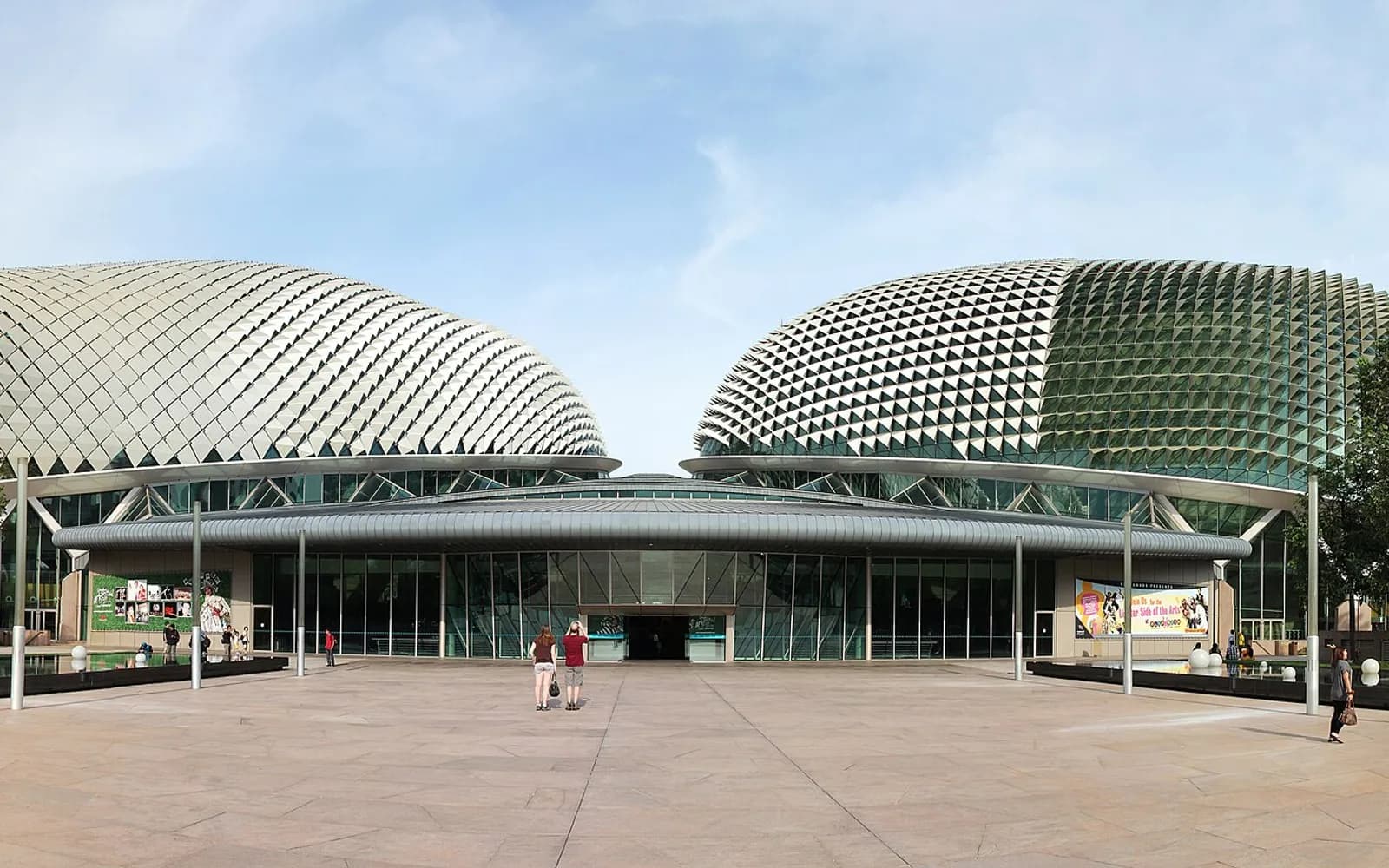
Singapore's waterfront arts centre, known for its spiky domes and its many free performances by the bay.
City Hall & Clarke Quay Early evening
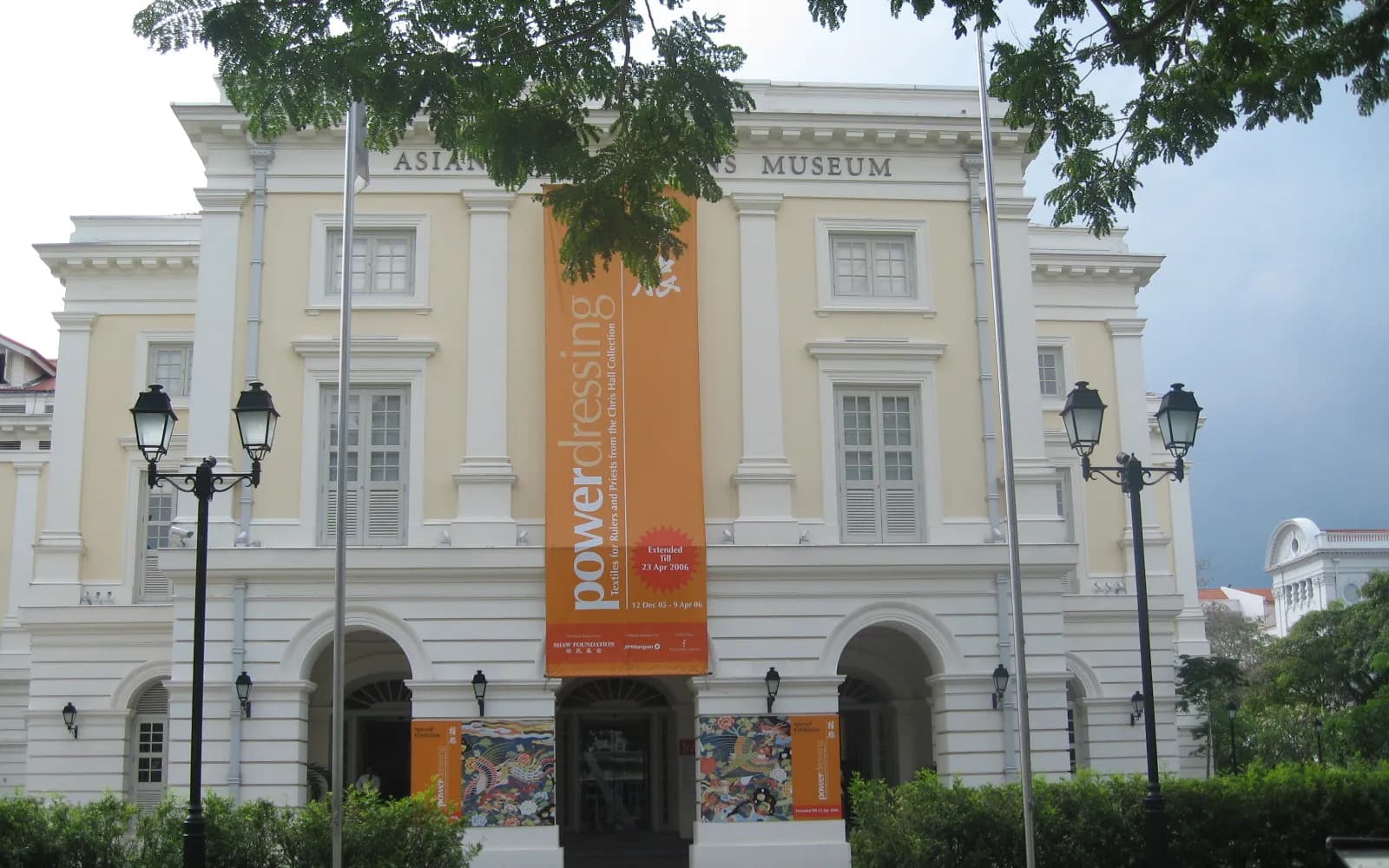
A riverside museum about the cultures of Asia and their links with the world, from a ninth-century shipwreck to fine religious art.
City Hall & Clarke Quay Weekday mornings or a rainy afternoon

A museum on Armenian Street about Peranakan culture, from fine beadwork and kebaya to porcelain and home life.
City Hall & Clarke Quay Weekday mornings

A green hill in the city centre with royal history, restored gardens, old colonial sites and shady walking paths.
City Hall & Clarke Quay Early morning or late afternoon

Singapore's largest cathedral, a white Gothic Revival church completed in 1861, set on a green lawn next to City Hall MRT.
City Hall & Clarke Quay Weekday mornings