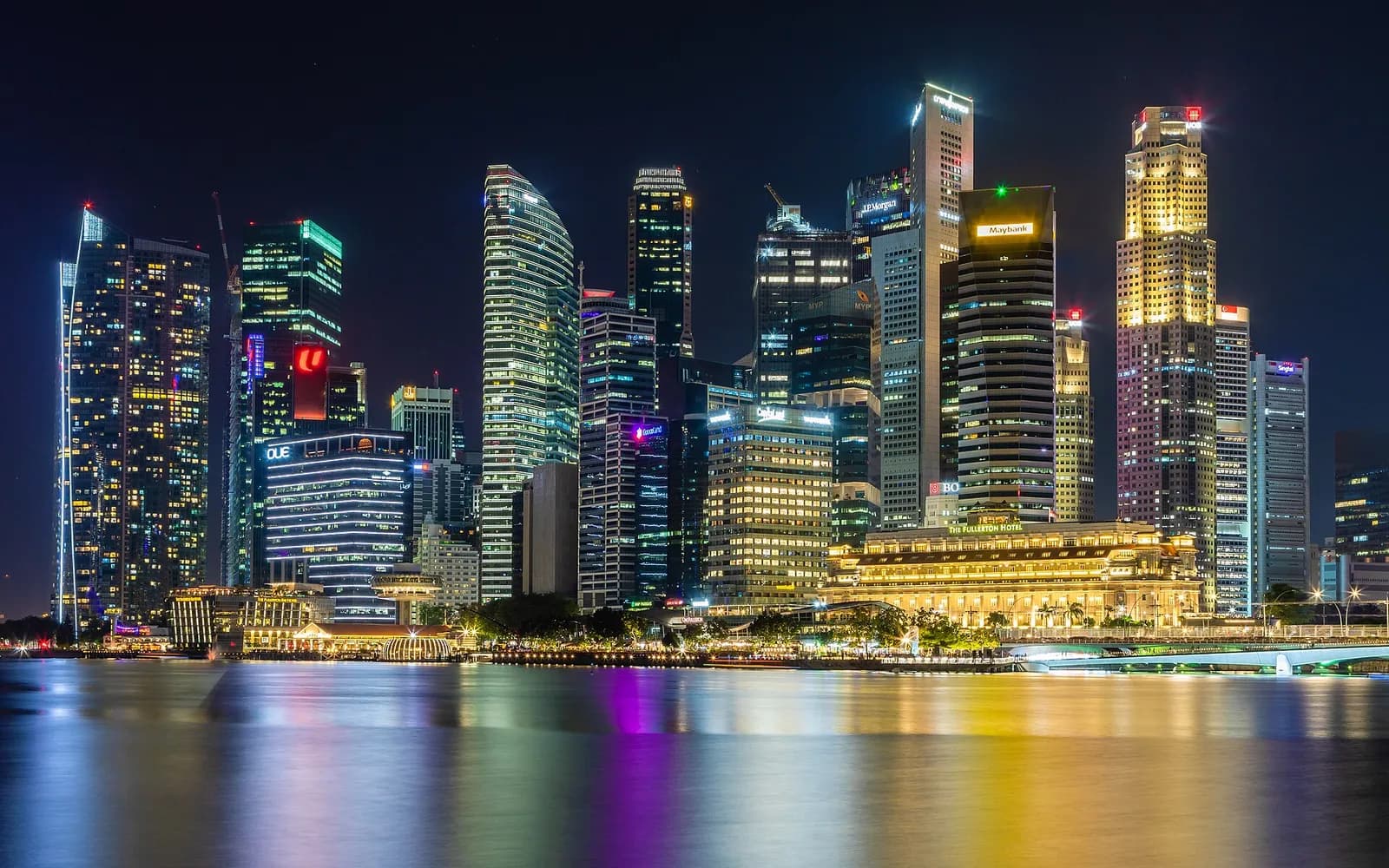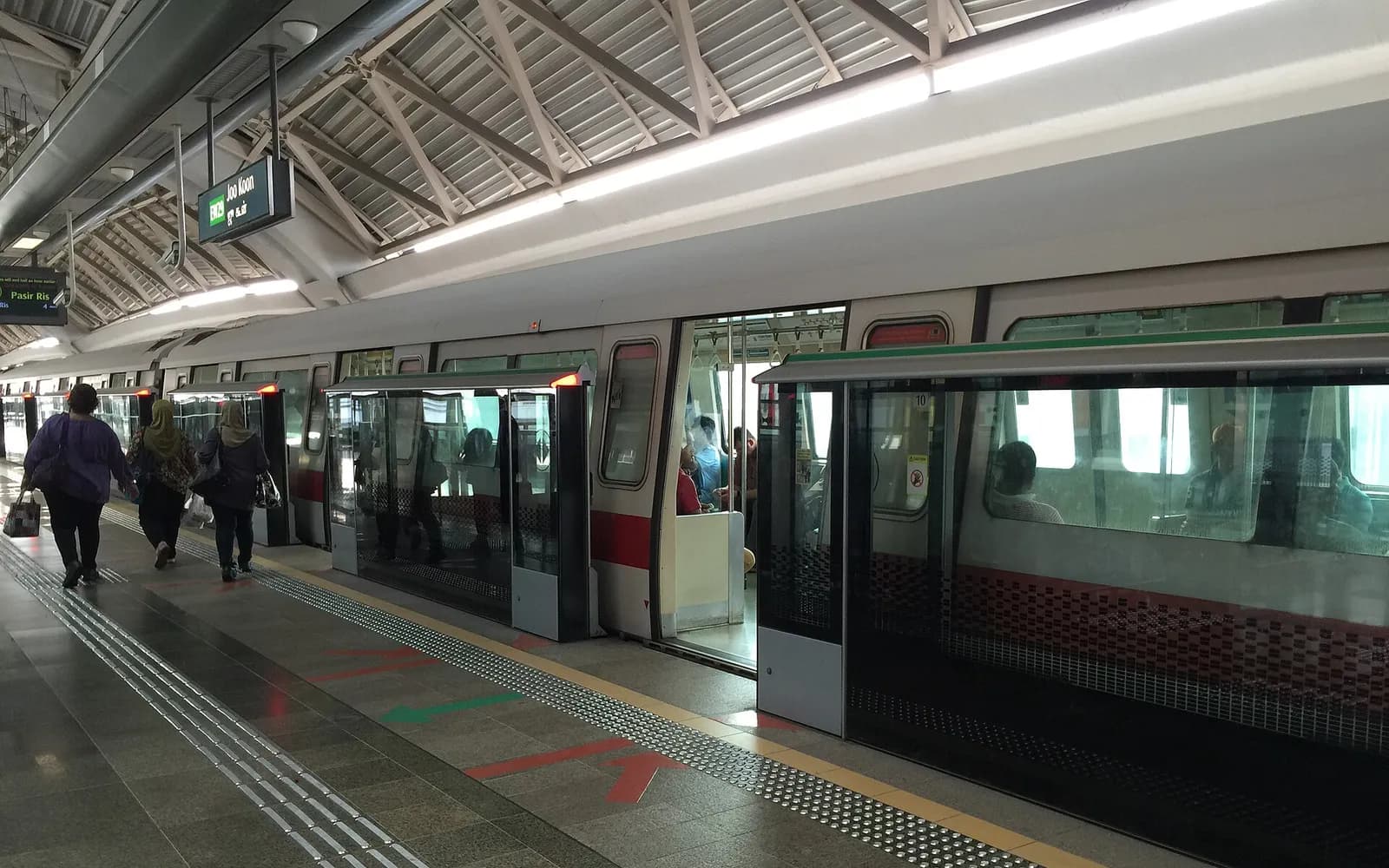

Visiting Singapore with a wheelchair is easier than in many big cities. Every MRT station has at least one step-free entrance with a lift, all public buses have ramps, and most pavements in the centre have kerb ramps.
It is not perfect. Older streets, some footbridges and the heat can slow you down, so a little planning helps.
The MRT: lifts and step-free routes
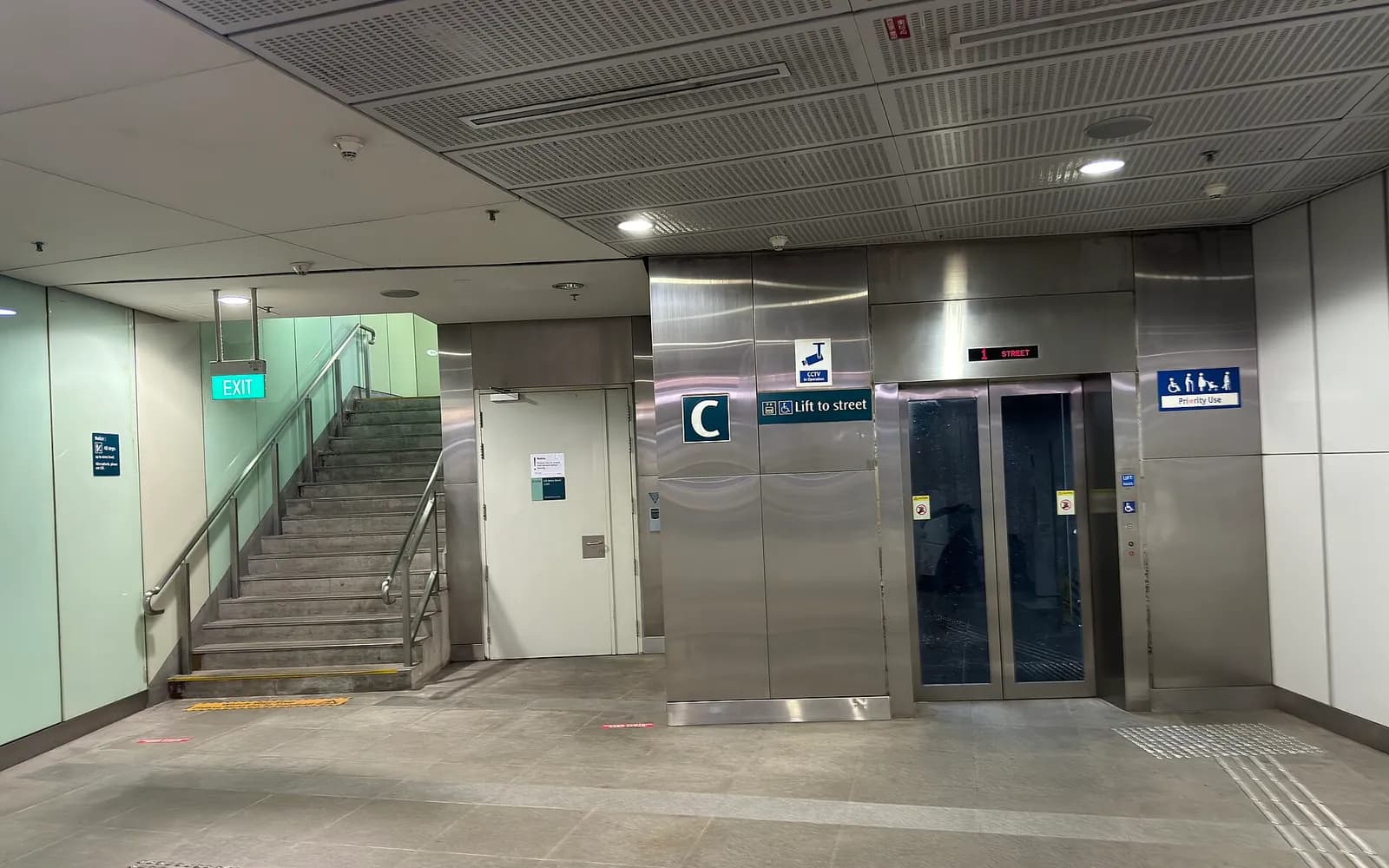
The MRT is the city's train network, and it is the easiest way for most wheelchair users to get around. Every MRT and LRT station has at least one barrier-free entrance with a lift. Stations also have wheelchair-accessible toilets.
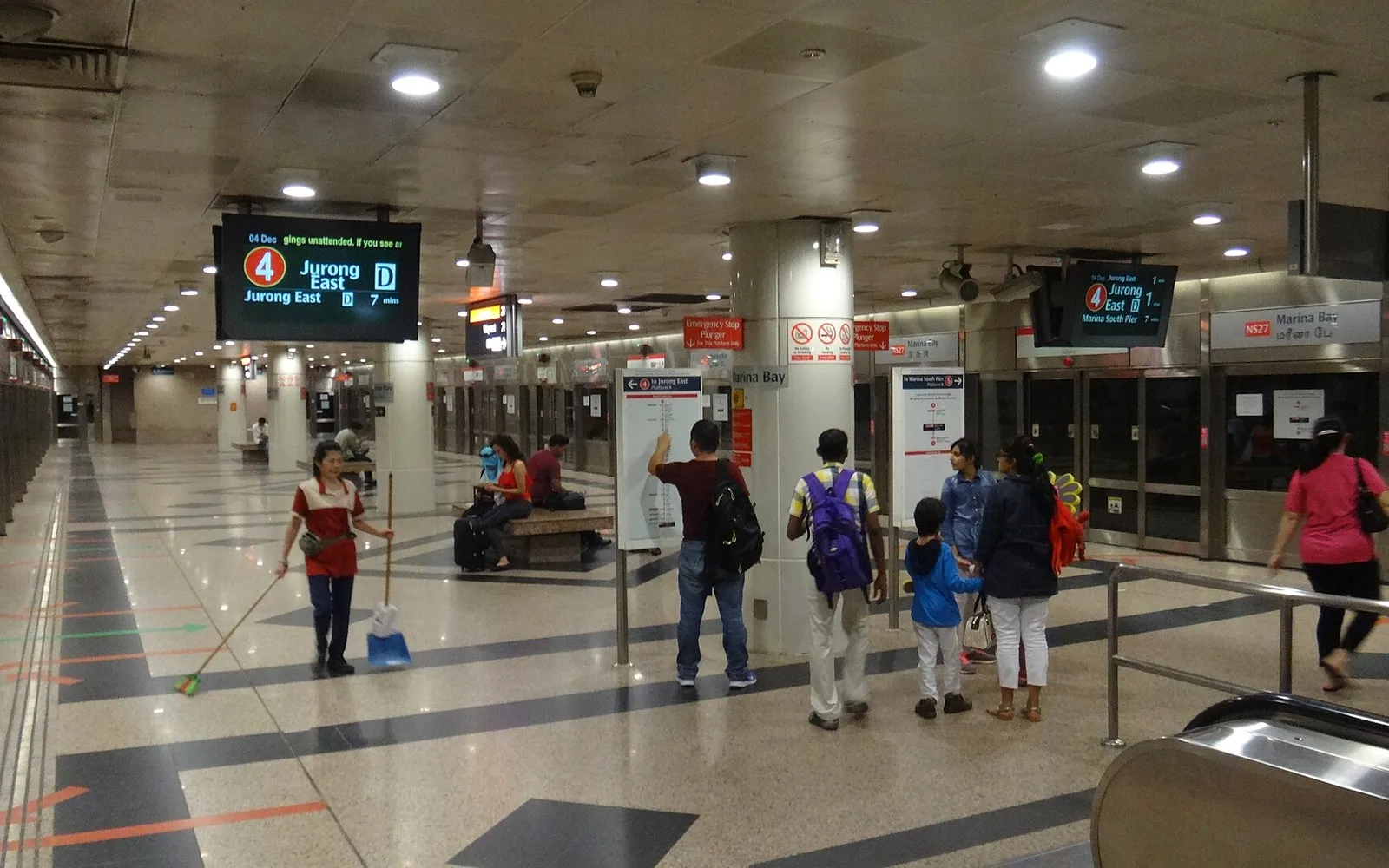
- Find the lift exit: not every exit has a lift. Look for the wheelchair sign on station maps and exit signs.
- Use the wide gate: stations have a wider fare gate for wheelchairs, prams and big luggage.
- Find the wheelchair space: trains have marked spaces for wheelchairs. Ask station staff which door is closest to one.
- Mind the gap: the gap between train and platform is usually small, and many stations have rubber fillers to close it.
Staff at each station's Passenger Service Centre can help. Lifts can have queues at rush hour, so travel outside the peaks if you can. Our guide on how to use the MRT in Singapore explains tickets, cards and lines.
Wheelchair-accessible buses and taxis
Public buses
All public buses in Singapore are wheelchair-accessible. Tell the bus captain, the local term for the driver, that you need the ramp. The ramp is at the rear door, and there is a marked space inside. Face the back of the bus and put your brakes on.
Almost all bus stops are step-free. A few on narrow streets are not, so check your stop first. If a bus is full, wait for the next one.
Taxis and ride-hailing
Standard taxis are easy to find, and a folding wheelchair fits in most boots. Taxis with a ramp for a seated passenger exist, but there are few, so book well ahead. Ride-hailing apps also offer help options for riders with limited mobility.
Accessible hotel rooms
Most large hotels in Singapore have a small number of accessible rooms. These usually have wider doors, grab bars and a roll-in or low-step shower. Newer towers tend to be easiest, with lifts, ramps and step-free lobbies. Browse hotels in Marina Bay and the CBD for modern hotels close to the main sights.
What to ask before you book
- Is the shower a roll-in shower, or is there a step or a bath?
- How high is the bed, and is there space beside it to transfer?
- Is the route from the drop-off point to the lift step-free?
Book accessible rooms directly and get the details in writing, as each hotel has only a few. Take care with heritage hotels in old buildings. Many have steep stairs and no lift, as our guide to what a shophouse hotel is explains.
Kerb ramps, walkways and step-free sightseeing
Most pavements in the city centre have kerb ramps at crossings. Covered walkways link many MRT stations, malls and housing blocks, which keeps you out of the sun and rain. Our list of Singapore areas with covered walkways shows where they work best.
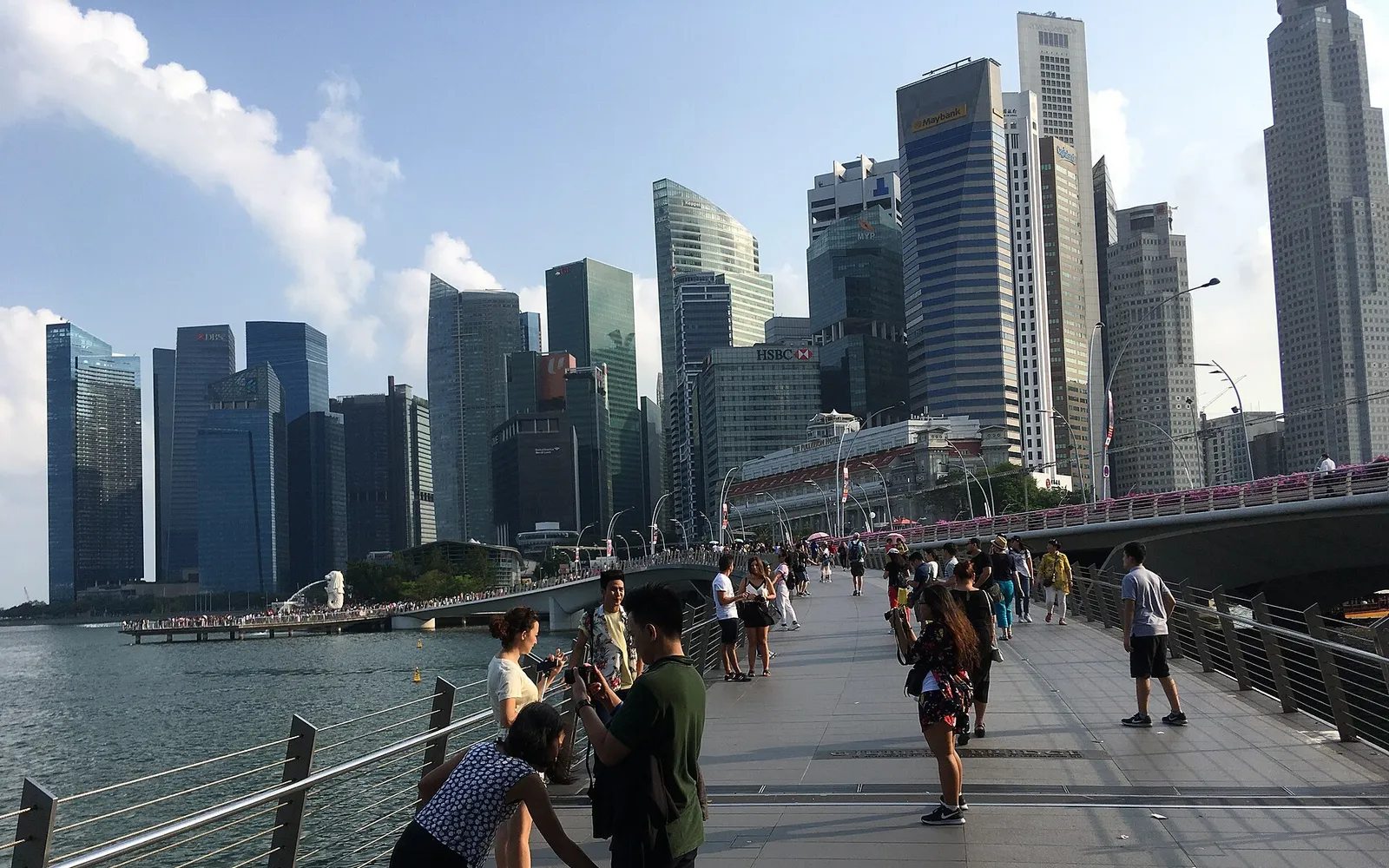
Many big sights were built with step-free access in mind. Gardens by the Bay has wide, smooth paths. Jewel Changi Airport is indoors, with lifts between its floors. The waterfront path on the Marina Bay Night Walk is mostly flat and makes an easy evening loop.
Some attractions lend or rent wheelchairs. Check each one's visitor page before you go.
Where getting around is harder
- Old shophouse streets: in Chinatown, Little India and Kampong Glam, the covered five-foot way in front of the shops often has steps between buildings. You may need to use the other side of the street.
- Overhead bridges: some footbridges over main roads have stairs only. Look for a lift or a crossing at street level nearby.
- Hawker centres: these open-air food halls are usually step-free, but many tables have fixed stools. Look for a table with an open end.
- Weather: heat and sudden heavy rain are the biggest daily challenge. Plan indoor breaks and carry a rain cover.
Flying in? Read our guide to arriving at Changi Airport. More tips on getting around and accessible travel are in our travel tips section.
FAQs about visiting Singapore with a wheelchair
- Is Singapore wheelchair-friendly?
Yes, for the most part. Trains, buses and newer buildings are step-free, but older streets still have steps.
- Do all MRT stations have lifts?
Yes. Every MRT and LRT station has at least one step-free entrance with a lift. Not every exit has one, so check the station map.
- Can I take a mobility scooter on the MRT and buses?
Yes, if it fits the official size and weight limits.
- Can I get wheelchair help at Changi Airport?
Yes. Ask your airline to arrange it when you book. Staff can then meet you at the plane and help you through the airport.
References
- An Inclusive Public Transport System, Land Transport Authority
- Travelling with Reduced Mobility, Changi Airport Group
- Walking, Land Transport Authority
- Amenities & Services, Gardens by the Bay