


Choosing between connecting rooms vs a family suite mostly comes down to your children's ages. A family suite keeps everyone in one unit, which suits babies and young children. Connecting rooms give you two full rooms and two bathrooms, which suits older children and teens.
The other big difference is booking. A suite is a room type you can book outright. Connecting rooms are usually a request, so they need more planning. Here is how the two compare.
What each option means
Connecting rooms
Connecting rooms are two separate hotel rooms with a private door between them. Each room has its own entrance, bathroom and lock. You open the inside door when you want one shared space.
Do not confuse them with adjoining rooms. Adjoining rooms sit side by side but have no door between them. To reach your children, you must go out into the corridor.
Family suites
A family suite is one booking for a larger space. It may be a big room with extra beds, or a bedroom plus a living room with a sofa bed. At larger hotels, such as Shangri-La Singapore, check the room list for family rooms or suites and what beds they include.
Privacy and bathrooms
Connecting rooms win on privacy. Each room has its own bathroom, so morning queues are shorter. Parents can close the inside door for a quiet chat or an early night.
A suite usually has one bathroom, though larger suites may add a guest toilet. With four or more people, one shower can slow down your mornings. Check the floor plan or photos to count bathrooms before you book.
Sleep and supervision
For babies and toddlers, a suite is often easier. You can hear a child wake in the night without leaving your bed. A suite with a separate bedroom also lets parents stay up in the living room while children sleep.
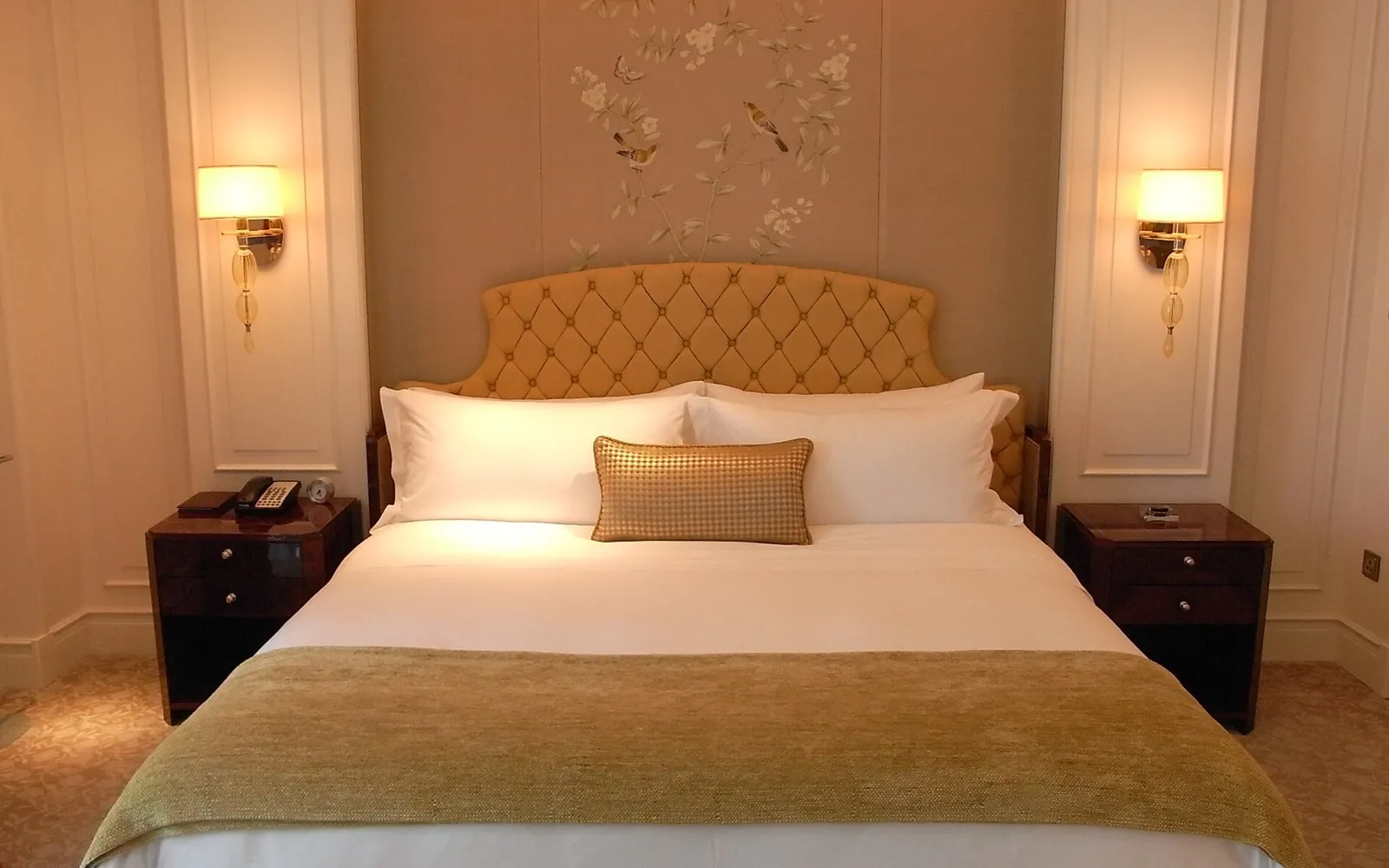
Connecting rooms work well once children sleep through the night and follow simple rules. Teenagers like having their own room and bathroom. Keep the inside door open at night if you want to hear them.
A simple guide by age
- Babies and toddlers: a family suite, or one room with a cot.
- Young children: a family suite with a separate bedroom.
- Older children and teens: connecting rooms.
- Mixed ages: a suite with a sofa bed, or connecting rooms with a parent in each.
Safety matters in both. Our guide to toddler-proofing a hotel room covers the checks to do on arrival.
How reliably each can be booked
This is where the two options differ most. A family suite is a fixed room type. If your booking is confirmed, the suite is yours.
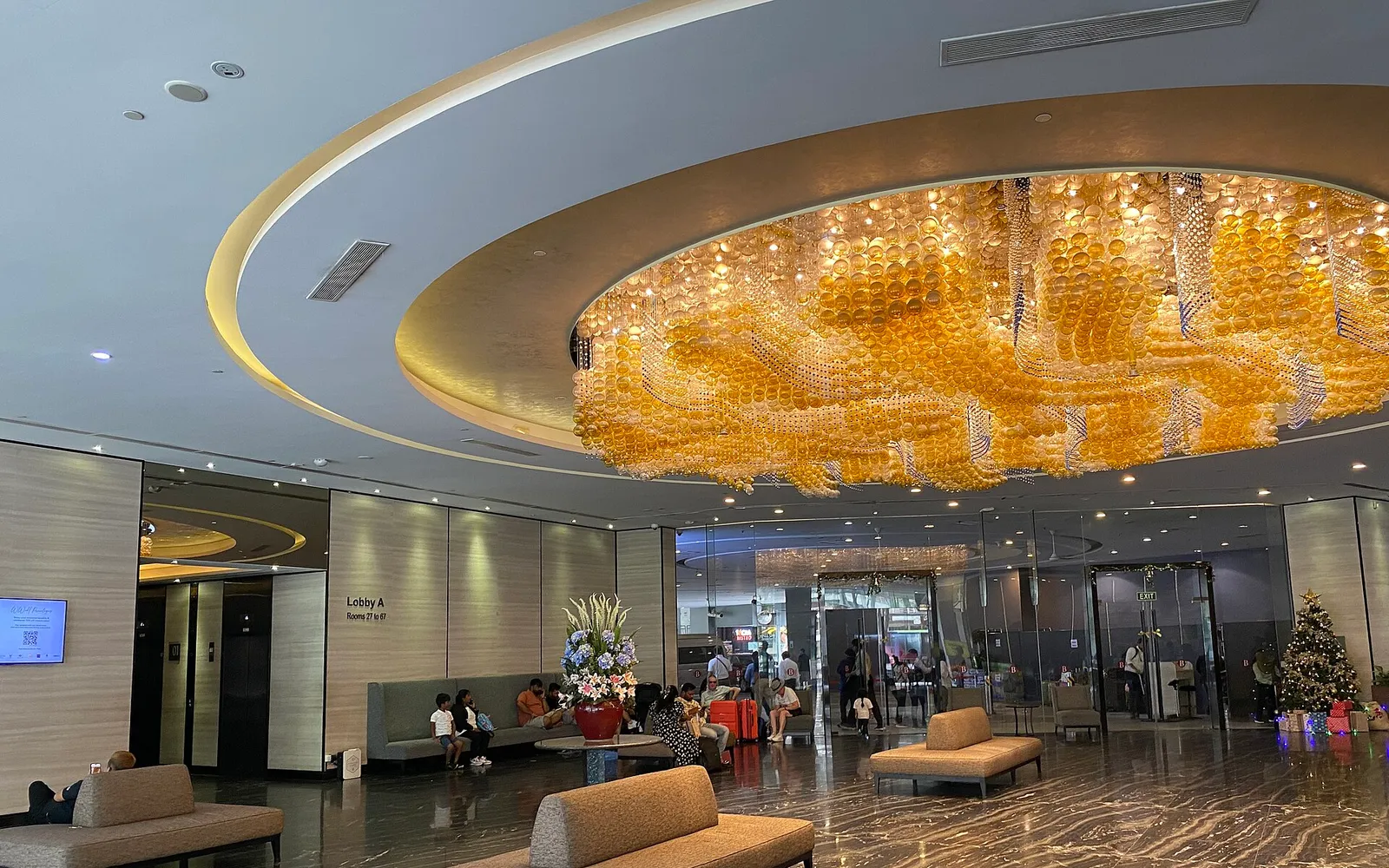
Connecting rooms are different. Many hotels have only a few connecting pairs, and most booking sites treat them as a request. You could arrive to find two rooms on different floors.
How to secure connecting rooms
- Book both rooms in one reservation, ideally directly with the hotel.
- Email the hotel to ask for connecting rooms, and get a written reply.
- Check that the reply says "connecting", not "adjoining" or "nearby".
- Remind the hotel a few days before you arrive.
- At check-in, ask to see the inside door before you unpack.
Cost and a third option
Two rooms can cost about the same as one suite, but it varies by hotel and date. Compare the total price, including breakfast for every guest and any extra bed charges. Rates change often, so check close to booking.
Serviced apartments are a third choice. A two-bedroom apartment gives you separate bedrooms, a living room and often a kitchen. Fraser Suites Singapore and Ascott Orchard Singapore are two to compare, so check which apartment sizes each offers. You can also browse all serviced apartments in Singapore or our serviced apartments and long stays guides.
Not sure what else to look for? Our checklist of what makes a hotel family-friendly covers pools, cots and location. There are more tips in our family-friendly hotel guides.
FAQs about connecting rooms vs a family suite
What is the difference between connecting and adjoining rooms?
Connecting rooms have a private door between them. Adjoining rooms are next to each other but have no inside door.
Can I be sure of getting connecting rooms?
Not always. Most hotels treat them as a request. Booking directly and getting written confirmation gives you the best chance.
How many people fit in a family suite?
It varies. Many take two adults and two children, while larger suites take more. Check the occupancy limit in the listing, as hotels count children too.
Is a family suite cheaper than two rooms?
Sometimes, but not always. Compare the total for your dates, with breakfast and extra beds included.


